Art education is about fostering creativity and guiding students to explore their artistic potential. However, even the most experienced teachers can slip into common traps. In this article, we outline 10 significant mistakes every art teacher should strive to avoid.
By recognizing these errors and addressing them head-on, we can create more enriching and empowering art classrooms.
Neglecting to Build Personal Connections With Students
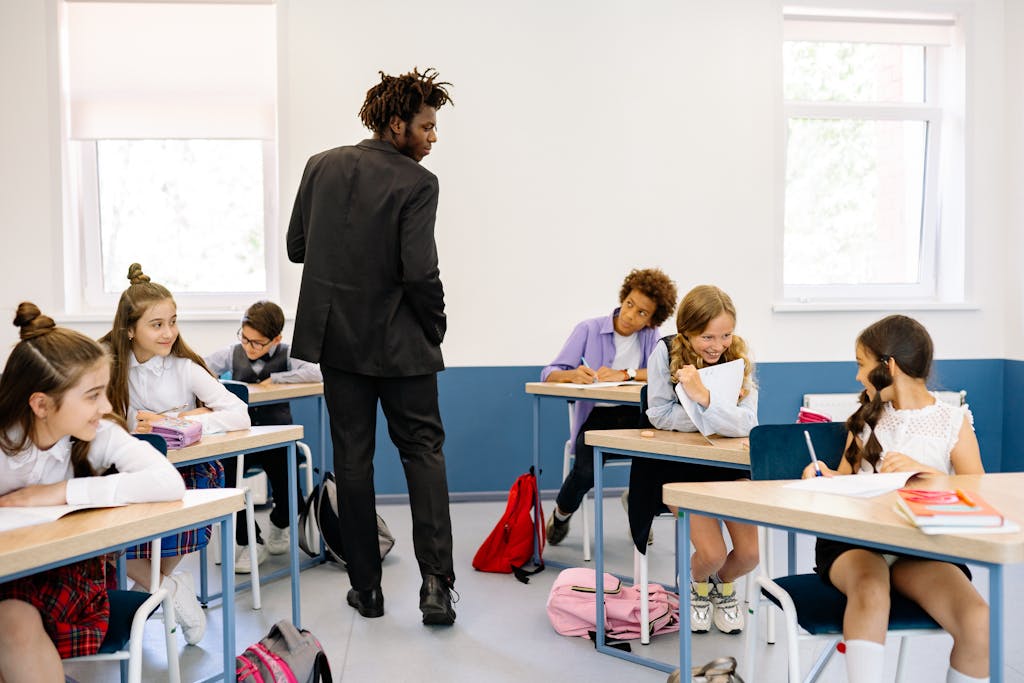
It’s easy to get caught up in lesson plans, deadlines, and classroom management, but don’t forget that your students are individuals with unique personalities and interests. Building relationships with your students enhances their experience and creates a positive, supportive classroom environment.
Take time to engage with them outside of the curriculum, learn about their interests, and show genuine care. This not only makes your classroom more enjoyable but also helps reduce behavior issues and fosters a sense of community.
Doing Things For Your Students That They Can Do Themselves
One of the most prevalent mistakes art teachers make is doing tasks for students that they are capable of doing on their own. Whether it’s passing out materials or cleaning brushes at the end of class, this undermines students’ independence and responsibility.
Empowering students by letting them handle the logistical aspects of their art education not only builds their confidence but also enhances their problem-solving skills. This applies to tasks such as setting up and cleaning up, as well as to the creative process itself. Sometimes, stepping back and letting students take charge can lead to surprising and rewarding outcomes.
Teaching Without Trying It First
One of the most common pitfalls in art education is teaching a lesson without trying it out yourself first. Even if a project seems simple, testing it out beforehand allows you to anticipate challenges and refine your teaching methods.
This preparation ensures that you can confidently guide your students through the process and address potential issues. It also enables you to see the lesson from a student’s perspective, improving your ability to support them effectively throughout the project.
Overemphasizing the Final Product
Many art teachers tend to focus on the final product, but art education should prioritize the process over the outcome. When students are too concerned with producing something “perfect,” they may stifle their creativity and avoid taking risks.
Emphasizing experimentation, growth, and exploration during the creative process encourages students to feel safe trying new ideas. This allows them to develop both their technical skills and their creative voice. Balancing product with process is key—let students enjoy the journey, not just the destination.
Repeating the Same Projects Year After Year

Consistency in teaching is important, but repeating the same projects every year can quickly lead to stagnation for both you and your students. While certain projects are timeless, it’s essential to innovate and refresh your curriculum regularly.
Introducing new projects or tweaking existing ones keeps things exciting for students and fosters a dynamic learning environment. It also challenges you, as a teacher, to continue exploring new ideas and techniques, ensuring your teaching remains engaging and relevant.
Not Practicing Your Own Art
Art teachers often become so immersed in teaching that they neglect their own artistic practice. The importance of personal artistic growth cannot be overstated. Engaging in your own creative endeavors keeps you connected to the struggles and joys that students experience.
It also enhances your credibility and inspires your students. Whether it’s sketching in a notebook or exploring new mediums, make time for your own art. This act demonstrates the lifelong nature of creativity and keeps your passion for teaching fresh.
Drawing or Painting on a Student’s Artwork
While it might seem harmless to add a touch of paint or make a quick fix on a student’s piece, this practice undermines the student’s ownership of their work. Your intervention, no matter how small, can diminish a student’s sense of accomplishment.
Instead of correcting their mistakes, consider offering guidance or encouraging them to find a solution themselves. This reinforces the idea that art is a personal journey and that mistakes are part of the learning process.
Offering Empty Praise
Generic praise such as “Great job” or “Well done” lacks substance and fails to offer meaningful feedback. Instead, provide specific and targeted compliments that highlight a student’s effort or technique. For example, say “The blending of colors in your sunset is really impressive” or “I love how you used contrast to make the figures pop.”
Such feedback not only motivates students but also helps them understand what they did well and how they can continue improving. Specific praise turns a compliment into a learning tool.
Resorting to “Cookie-Cutter” Crafts for Holidays
Holidays are a great time to incorporate art into the curriculum, but resorting to overly simplified, mass-produced crafts often stifles creativity. While festive projects like ornaments or cards can be fun, they should allow room for personal expression.
Encourage students to incorporate their own artistic choices into these projects, tying them to the curriculum’s artistic principles. By doing so, you maintain the educational value while celebrating the season, and students learn to think critically about their artistic choices.
Hiding Your Mistakes from Students
One of the most valuable lessons you can teach students is that mistakes are part of the creative process. By trying to hide your own mistakes, you send the message that errors are to be avoided at all costs. Instead, embrace your mistakes and demonstrate how to handle them.
When students see that even teachers make mistakes and learn from them, they are more likely to take risks in their own work. This fosters a growth mindset where failure is viewed as a stepping stone to success rather than a setback.
Conclusion
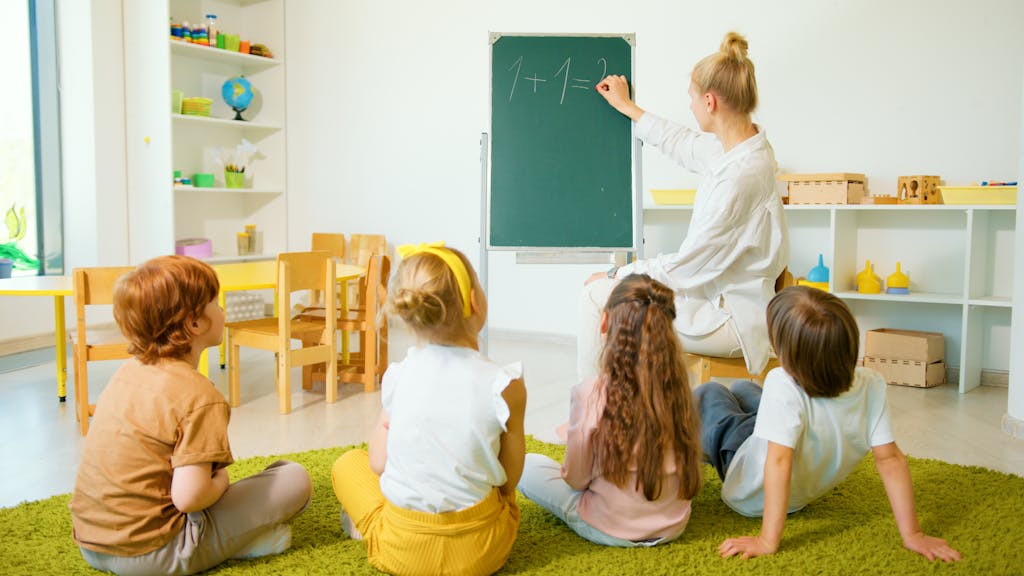
Teaching art is a challenging yet rewarding profession that requires both creativity and constant reflection. By avoiding these common mistakes, you can create a classroom environment that encourages creativity, independence, and personal growth.
Embrace the process, innovate your teaching methods, and above all, keep fostering your own artistic journey. The lessons you impart will stay with your students long after they leave your classroom, nurturing their passion for art and creativity for years to come.