Fresh produce has a healthy reputation, but some fruits and vegetables carry more pesticide residue than many shoppers realize. That does not mean we should stop eating them. It simply means we should shop smarter, wash better, and know which items deserve extra attention.
Some produce holds residue due to thin skins, soft surfaces, porous leaves, or farming practices that require greater pest control. The biggest concern is often with raw fruits and vegetables, since there is less peeling, cooking, or processing to remove what remains on the surface. Here are 14 fruits and vegetables that often raise the biggest red flags for pesticide exposure.
Spinach
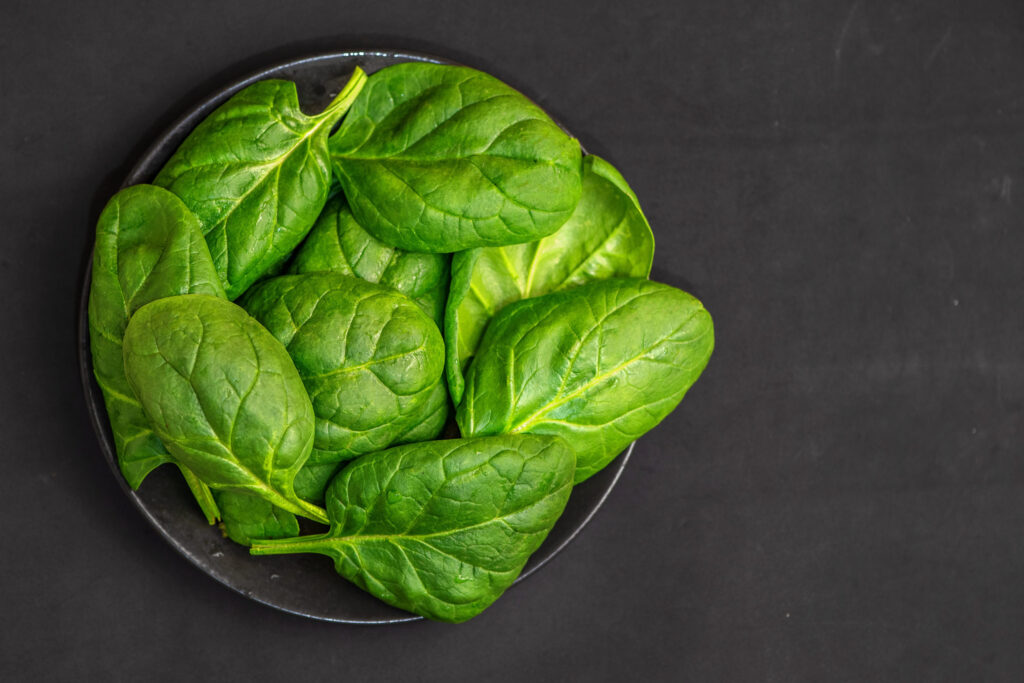
Spinach may look clean in the bag, but its delicate leaves can hold more residue than shoppers expect. Since it is often eaten raw in salads, smoothies, and wraps, there is no need to cook it to reduce surface exposure. If you buy conventional spinach, rinse loose leaves carefully unless the package says pre-washed. Frozen spinach can also be a smart, budget-friendly option because it is easy to cook and store.
Kale
Kale has become a wellness favorite, but its textured leaves can trap dirt, grit, and chemical residue. The curly edges make it harder to clean than smoother greens. Organic kale is a better choice when the budget allows, especially for raw salads and green juices. For conventional kale, remove tough outer leaves and wash every fold thoroughly.
Collard Greens
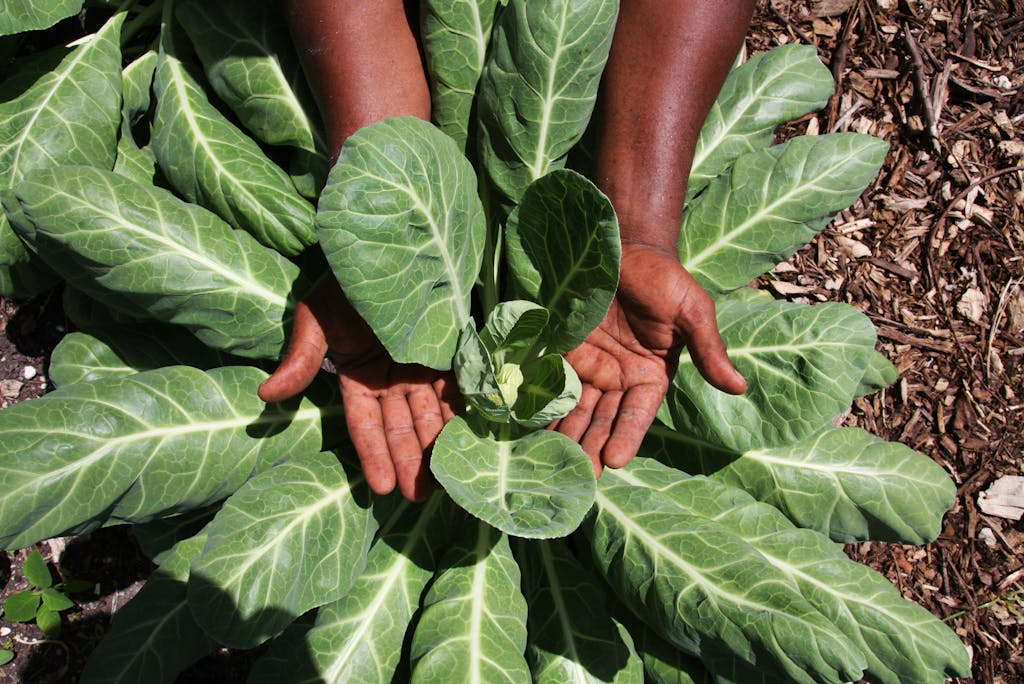
Collard greens are nutritious, filling, and common in home cooking, but they belong in the same high-attention category as other leafy greens. Their broad leaves are often exposed during growth, increasing contact with sprays. Cooking may help reduce some residue, but washing still matters before the pot even heats up. Trim thick stems, separate the leaves, and rinse them individually.
Mustard Greens
Mustard greens have a peppery bite, but they also deserve a careful cleaning routine. Like kale and collards, their leaves can accumulate surface residue along the ribs. Many people sauté or stew them, which helps, but it should not replace washing. If you eat them raw, organic is the safer splurge.
Strawberries
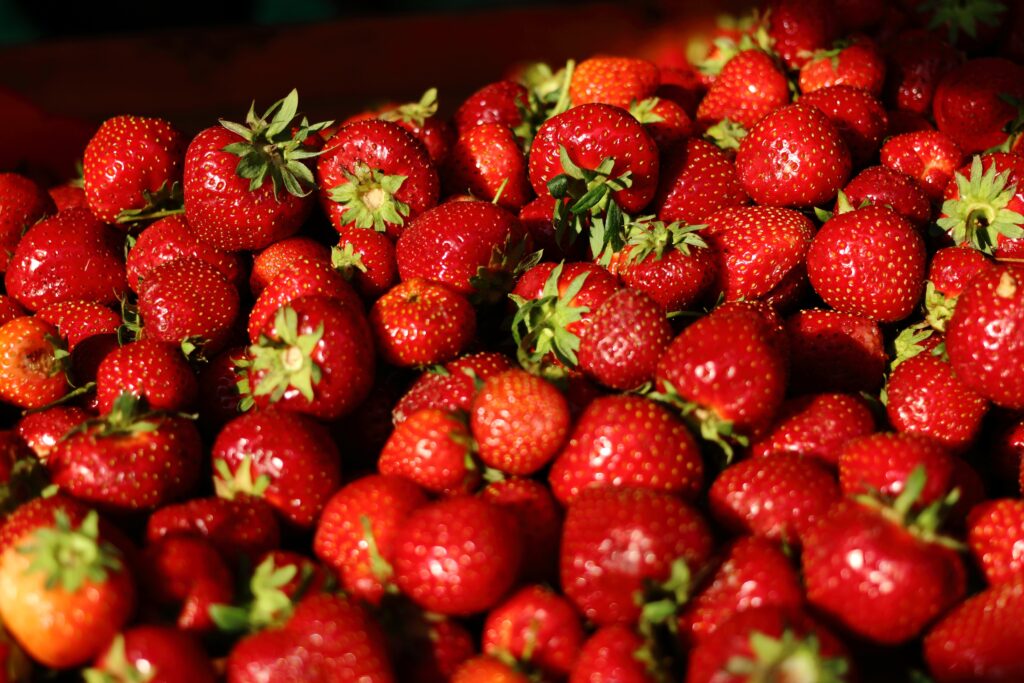
Strawberries are among the most popular fruits, yet their soft skin makes them especially tricky to handle. They have no protective peel, and their tiny seeds create extra surface area where residue can cling. Wash them right before eating, not days earlier, because moisture can make them spoil faster. Frozen organic strawberries can be a cheaper way to enjoy them without paying the premium prices for fresh strawberries.
Grapes
Grapes are easy to snack on, but their thin skins and tight clusters make them harder to clean well. A quick splash of water is usually not enough because residue can hide where the stems meet the fruit. Place them in a colander and rinse thoroughly while moving the bunch around with your fingers. For kids’ lunchboxes, wash and dry them before storing so they are ready to eat safely.
Nectarines
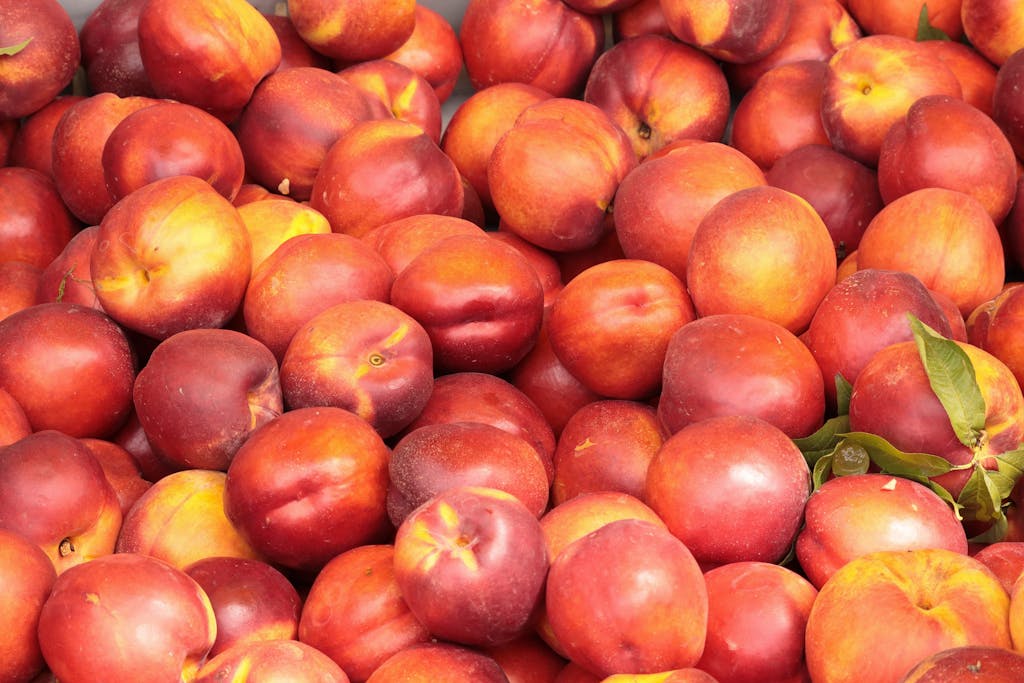
Nectarines have smooth, thin skin that people usually eat, which means residue on the surface may go straight into the snack. Their delicate flesh also makes aggressive scrubbing difficult. A gentle rinse under running water works better than simply soaking and forgetting them. If you are making compote, pies, or cooked desserts, peeling can reduce exposure.
Peaches
Peaches are even more frustrating because their fuzzy skin can hold onto residue. That soft fuzz gives them charm, but it also makes them harder to clean. Rinse them well and rub the surface gently with clean hands before slicing. If the peach is going into a baked dish, peeling is a practical move.
Cherries
Cherries are small, easy to overeat, and often consumed straight from the bowl. That makes proper washing important, especially when buying conventional cherries. Since they are not usually peeled, the skin carries whatever remains on the surface. Rinse them just before eating, then dry them gently to keep the texture firm.
Apples
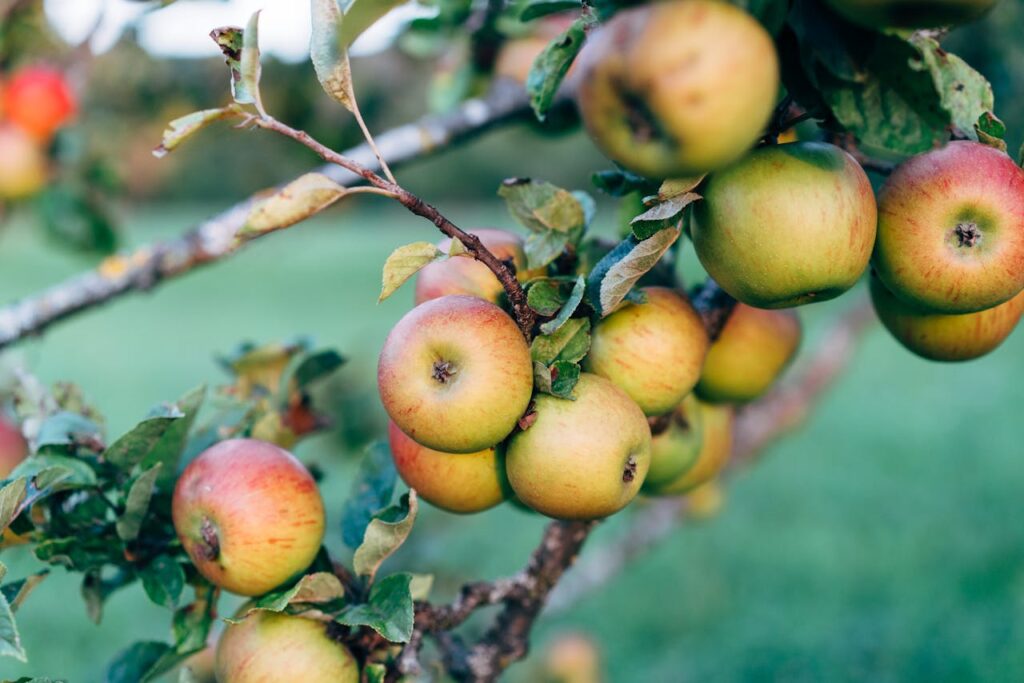
Apples are a lunchbox classic, but they can still carry residue because the peel is almost always eaten. The skin contains fiber and nutrients, so peeling is not always the best everyday choice. A better routine is to rinse apples under running water and rub the surface well. For baking, sauces, or baby food, peeling can make sense.
Blackberries
Blackberries are delicate, juicy, and highly porous, making them among the hardest fruits to clean without damaging them. Their tiny pockets can trap moisture and residue, so rough washing can turn them mushy. Rinse them gently right before eating, then let them drain on a clean towel. Organic blackberries are worth prioritizing when they are available.
Pears
Pears are often eaten with the skin on, which raises concerns about surface residue. Firmer pears can handle a gentle scrub, but softer pears need a lighter touch. If you are poaching, baking, or making pear sauce, peeling is an easy way to reduce exposure. For raw snacking, wash carefully and dry before slicing.
Potatoes
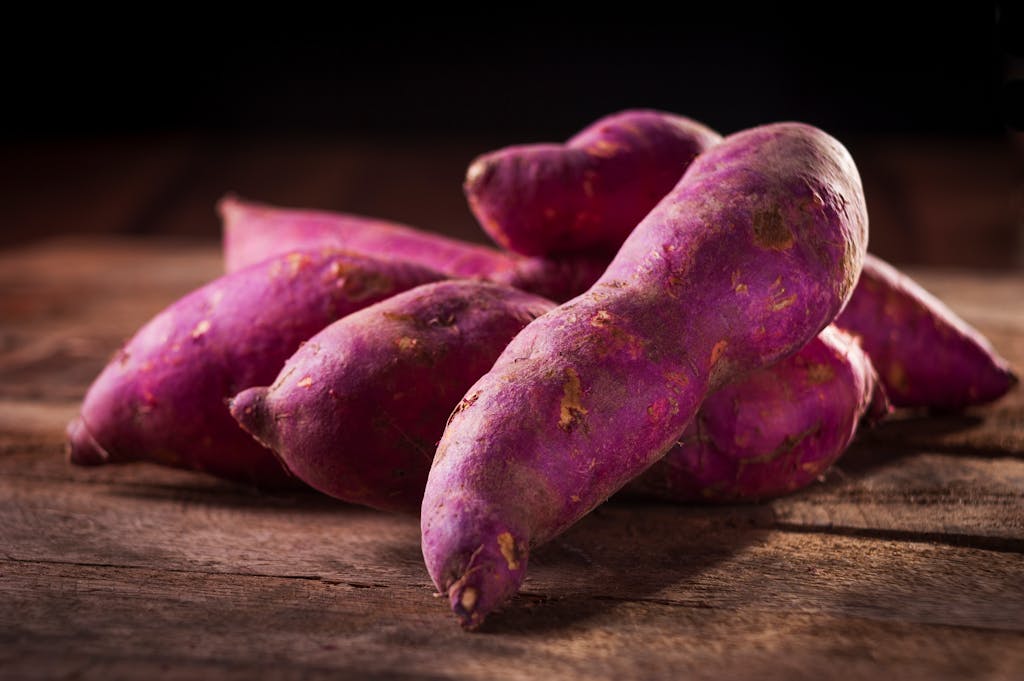
Potatoes may not seem risky because many people cook them, but they grow underground and can also receive post-harvest treatments. The skin is the main concern, especially in recipes like roasted potatoes, wedges, and loaded baked potatoes. Scrub them well under running water before cooking. If you are making mashed potatoes, peeling conventional potatoes can lower surface exposure.
Blueberries
Blueberries are small, waxy, and often eaten by the handful, so they deserve more than a lazy rinse. Their natural coating can make residue harder to remove. Wash them shortly before eating, not immediately after buying, because excess moisture shortens their shelf life. Frozen organic blueberries are a smart option for smoothies, oatmeal, pancakes, and baking.
Conclusion
The goal is not to fear fruits and vegetables. The smarter approach is to know which produce needs extra care and build simple habits around it. Wash carefully, peel when it makes sense, cook when the recipe allows, and choose organic for the items you eat most often.
These 14 fruits and vegetables can still belong in a healthy kitchen. The real mistake is treating all produce the same. A little extra attention at the sink can make your grocery haul cleaner, safer, and more practical without turning healthy eating into a stressful chore.