Common sleep myths debunked with science-backed explanations on sleep duration, alcohol, naps, screens, snoring, weekend catch-up sleep, sleep quality, and healthy bedtime habits.
Sleep has become one of the most misunderstood parts of modern health. We talk about “hustling,” “catching up later,” “sleeping when we’re dead,” and “needing only five hours,” yet the body keeps a far stricter record than our calendars do. The Centers for Disease Control and Prevention says adults should get at least 7 hours of sleep each day, and those who report less than 7 hours are considered to have short sleep duration.
That matters because sleep is not empty time. The National Heart, Lung, and Blood Institute links long-term sleep deficiency with a higher risk of heart disease, kidney disease, high blood pressure, diabetes, stroke, obesity, and depression. Many common sleep myths sound harmless, but they can quietly shape habits that leave us tired, foggy, irritable, and more vulnerable to health problems.
We Can Train the Body to Need Less Sleep
One of the most popular sleep myths is the belief that the body can adapt to sleeping five or six hours a night. We may feel like we are functioning, especially after coffee, deadlines, and adrenaline kick in, but feeling awake is not the same as being fully restored. Sleep loss can dull reaction time, weaken attention, affect mood, and make everyday decisions harder. The danger is that people often stop noticing how tired they are because exhaustion becomes their new normal.
Healthy adults generally need at least 7 hours of sleep on a regular basis, and many people need closer to 8 or 9, depending on age, health, workload, stress, and recovery demands. The American Academy of Sleep Medicine and Sleep Research Society consensus statement supports 7 or more hours of sleep per night for adults to promote optimal health. A tiny number of people may naturally function well on shorter sleep, but most people who claim to be “short sleepers” are simply sleep-deprived.
How Long We Sleep Matters More Than Sleep Quality
Sleep duration matters, but it is not the whole story. Even after 8 hours of broken, restless sleep, we can still feel drained because the brain and body need time to move through the different sleep stages. Deep sleep helps physical restoration, and REM sleep supports memory, learning, emotional processing, and mental flexibility. If we wake up repeatedly, breathe poorly, drink alcohol too late, or sleep in a noisy room, the number of hours in bed may look good while the sleep itself remains poor.
A stronger sleep routine focuses on both quantity and quality. We should look at how long it takes to fall asleep, how often we wake up, how refreshed we feel in the morning, and how much energy we have during the day. The CDC notes that a sleep diary can track bedtime, nighttime waking, morning wake time, naps, exercise, alcohol, caffeine, and medications, which can help identify patterns behind poor rest.
Alcohol Helps Us Sleep Better
Alcohol can make us drowsy, so it is easy to mistake it for a sleep aid. The problem is that sedation is not the same as healthy sleep. Alcohol may help some people fall asleep faster at first, but it can fragment sleep later in the night, reduce restorative sleep quality, and increase awakenings. It can also relax throat muscles, which may worsen snoring or sleep apnea symptoms in vulnerable people.
Research on alcohol and sleep shows that alcohol affects normal sleep physiology and daytime alertness, with clear disruption to sleep structure. Sleep Foundation’s 2025 review also notes that alcohol can reduce REM sleep and lead to lighter, less restorative rest. A nightcap may feel calming in the moment, but the next morning often tells the truth through grogginess, poor focus, and that flat, unrested feeling.
Snoring Is Always Harmless
Snoring is often treated as a bedroom nuisance, but it can be a warning sign when it is loud, frequent, or accompanied by choking, gasping, morning headaches, daytime sleepiness, or high blood pressure. Occasional snoring from a cold or a sleeping position may be harmless, but persistent, disruptive snoring can signal obstructive sleep apnea. That condition causes breathing to pause or become shallow during sleep, which can reduce oxygen levels and strain the body.
We should take snoring seriously when it affects daily energy or a bed partner notices pauses in breathing. Sleep apnea is treatable, but many people ignore it for years because they assume snoring is just a personality trait. Poor breathing during sleep can leave someone technically “asleep” for eight hours but still exhausted, irritable, and mentally foggy the next day. Persistent snoring warrants medical attention, especially when accompanied by daytime fatigue or cardiovascular risk factors.
We Can Make Up for Lost Sleep on the Weekend
Sleeping late on Saturday may feel like sweet revenge after a brutal workweek, but it does not fully erase the effects of repeated short nights. Weekend catch-up sleep can help reduce sleep pressure, yet it may also shift the body clock later, making Monday morning harder. That pattern is sometimes called social jet lag because the body keeps bouncing between different schedules. We may feel as if we are solving the problem, but we are often creating a new rhythm problem.
The better strategy is to protect sleep more consistently across the week. Going to bed and waking up around the same time helps maintain a stable circadian rhythm. A consistent schedule can also make it easier to fall asleep naturally, rather than forcing sleep after hours of scrolling, snacking, or worrying. Catch-up sleep is useful after a rough night, but it should not become the foundation of our sleep plan.
Naps Are Bad for Everyone
Naps are not automatically good or bad. A short nap can improve alertness, mood, and performance, especially after a poor night of sleep or during a demanding day. The trouble starts when naps become too long, too late, or too frequent. A long evening nap can steal sleep pressure from bedtime, leaving us wide awake at night and exhausted the next morning.
For most adults, a brief nap earlier in the day is usually the safer choice. We should be more cautious if we suddenly need long naps every day, unintentionally fall asleep, or feel sleepy despite spending enough time in bed. A recent report on long-term napping patterns in older adults found that frequent, long, and morning naps were associated with a higher mortality risk, though experts emphasized that naps may reflect underlying health issues rather than directly cause harm. Sudden changes in daytime sleepiness should be treated as a clue, not ignored.
Screens Before Bed Are Fine if We Feel Relaxed
A phone may feel relaxing, but the brain does not always read it that way. Bright light, fast content, social media stress, and late-night messages can all push the mind into alert mode. Blue and white light can also interfere with the body’s natural evening signals, especially for people who already struggle to fall asleep. The result is a familiar trap: we pick up the phone to unwind, then lose another hour of sleep.
CDC sleep guidance recommends keeping the bedroom very dark and blocking blue and white light sources where possible. CDC training material also advises avoiding computer use about an hour before bedtime, especially for people who want to sleep longer or better. A better routine is to charge the phone away from the bed, dim lights in the evening, and give the brain a quieter landing strip before sleep.
A Warm Bedroom Is Best for Sleep
A cozy room may sound comforting, but too much heat can work against sleep. The body naturally cools as it prepares for rest, and an overheated room can make it harder to fall asleep or stay asleep. People often wake up sweaty, thirsty, or restless without realizing the room temperature is part of the problem. Heavy bedding, poor ventilation, and warm pajamas can worsen the effect.
CDC sleep advice suggests a comfortably cool room, about 65 to 68 degrees Fahrenheit, for many people. The exact temperature can vary, but the goal is simple: cool, dark, quiet, and comfortable. We do not need to freeze the bedroom, but we should avoid turning it into a heated cave. Better airflow, breathable bedding, and lighter sleepwear can make a noticeable difference.
Older Adults Need Far Less Sleep
A common belief says older adults naturally need only a few hours of sleep. Sleep patterns can change with age, and older adults may wake earlier or experience lighter sleep, but that does not mean sleep becomes less important. Poor sleep in later life can be linked to pain, medications, sleep apnea, restless legs, stress, depression, or medical conditions. Treating poor sleep as “just aging” can delay help for problems that may be manageable.
We should separate normal changes from unhealthy sleep disruption. Waking once during the night may not be alarming, but chronic insomnia, heavy snoring, confusion, frequent daytime sleepiness, or repeated early-morning waking should not be dismissed. Sleep remains central to memory, balance, immune function, mood, and heart health across adulthood. Aging may change sleep, but it does not cancel the need for restorative rest.
Lying in Bed Awake Still Counts as Rest
Resting in bed can calm the body, but it is not the same as sleep. When we lie awake for long periods, the brain can start linking the bed with frustration, overthinking, and clock-watching. That association can make insomnia worse over time. The bed should become a strong cue for sleep, not a place where we rehearse tomorrow’s problems.
If we cannot fall asleep after a reasonable stretch, it can help to get up briefly and do something quiet in dim light, such as reading a calming book. The goal is not to “try harder” to sleep, because effort often creates more tension. We return to bed when sleepiness comes back. This approach trains the mind to connect bed with sleep rather than struggle.
More Sleep Is Always Better
Too little sleep is clearly harmful, but extremely long sleep is not automatically healthier. Some people need extra sleep during illness, recovery, pregnancy, intense training, or periods of heavy stress. But routinely sleeping far longer than usual and still waking tired can point to poor sleep quality, depression, medication effects, sleep disorders, or underlying health issues. More hours in bed do not always mean better recovery.
We should pay attention to patterns. If someone sleeps nine or ten hours and feels refreshed, that may be their normal need. If someone sleeps 10 hours and still experiences severe daytime sleepiness, the issue may be fragmented sleep, breathing problems, or another medical concern. The real question is not only “How many hours did we sleep?” but “Did that sleep restore us?”
Good Sleep Starts Only at Bedtime
Sleep does not begin when our head hits the pillow. It is shaped all day by morning light, caffeine timing, movement, stress, meals, alcohol, screen habits, and the regularity of our schedule. A chaotic day often becomes a chaotic night. If we ignore sleep until midnight, we may be asking the body to slam the brakes after hours of stimulation.
Better sleep usually starts with small choices made during the day. Morning light helps set the body clock. Regular exercise can support sleep, as long as intense workouts do not happen too close to bedtime for sensitive sleepers. Cutting caffeine earlier, creating a wind-down routine, and keeping the bedroom dark can all work together. Sleep is not a switch. It is a rhythm we train daily.
Sleep Problems Are Just a Personal Weakness
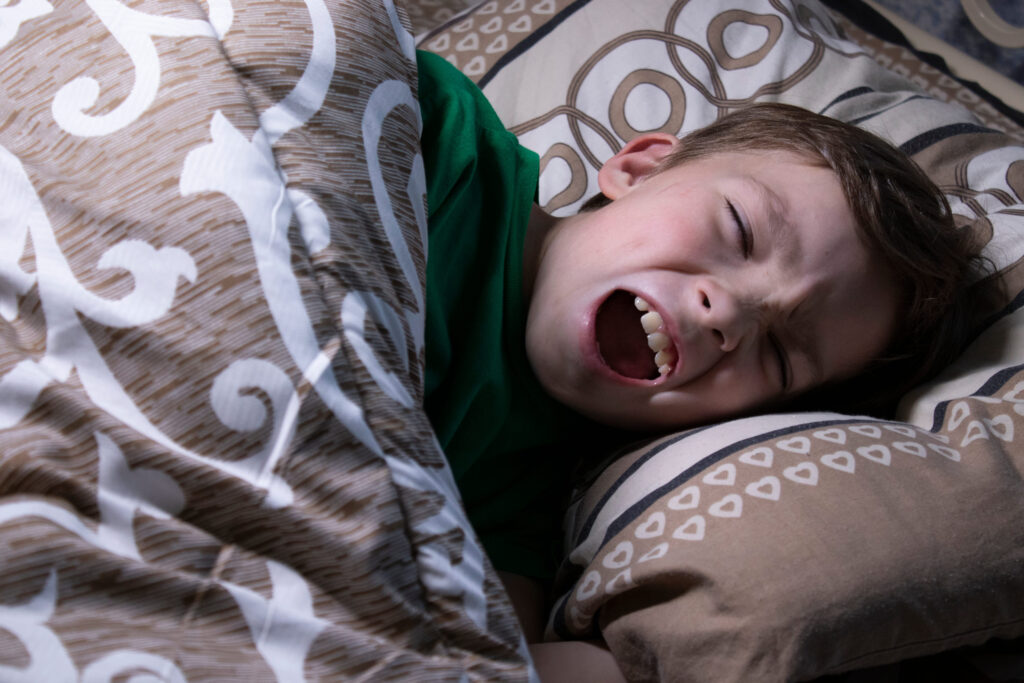
Many people blame themselves for poor sleep, but insomnia and sleep disorders are not character flaws. Stress, grief, shift work, anxiety, depression, chronic pain, hormonal changes, medications, breathing problems, and caregiving demands can all disrupt sleep. Shame often makes the problem worse because people delay getting help. Good sleep is a health issue, not a moral test.
The CDC links insufficient sleep with anxiety, depression, obesity, heart disease, injury, and other serious conditions. That means sleep deserves the same practical attention as nutrition, exercise, and preventive care. When sleep problems last for weeks, affect daytime life, or come with loud snoring, gasping, chest symptoms, severe mood changes, or unsafe drowsiness, professional evaluation is the smarter move.