Roses are timeless beauties, symbols of love and elegance. However, to get the most out of your roses, it’s essential to know which plants to keep away from them. Certain plants can interfere with their growth, damage their health, or simply not complement them in a garden setting. If you’re serious about keeping your rose garden vibrant and thriving, avoid these seven plants.
Wisteria
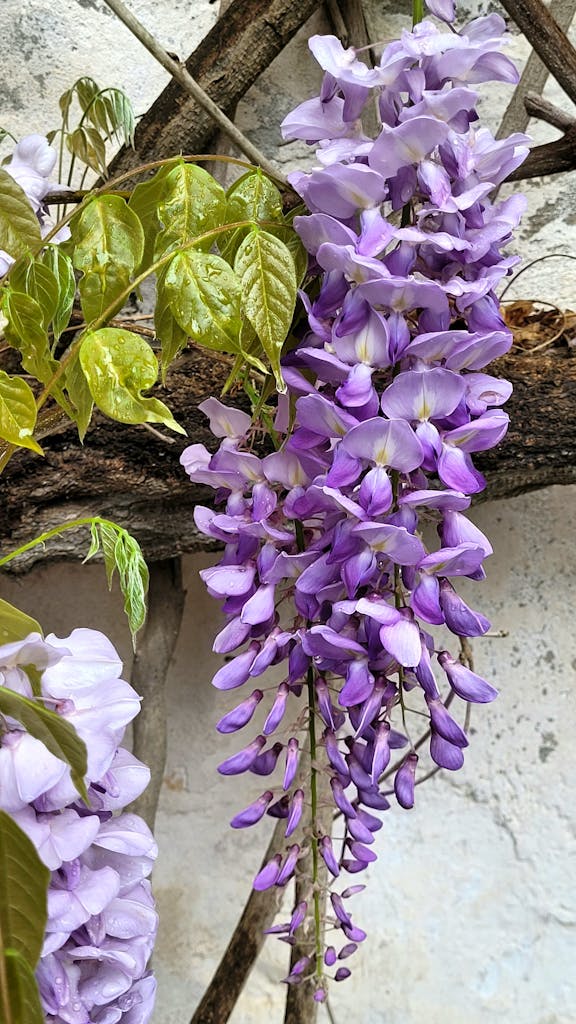
Wisteria is a stunning flowering vine, known for its beautiful, cascading blooms. However, its aggressive nature makes it unsuitable for growing near roses. Wisteria grows rapidly and produces thick, woody vines that can overwhelm and strangle nearby plants. The vigorous growth of wisteria competes for sunlight, water, and nutrients, all of which roses need to flourish. Wisteria’s sprawling vines can also physically damage rose bushes by weighing down their stems or blocking air circulation, which is crucial for preventing fungal diseases.
Lavender
While lavender is a fragrant and beautiful plant, it is not the best companion for roses. Roses require consistent moisture and rich, fertile soil, while lavender thrives in drier conditions. Lavender is drought-tolerant and prefers well-drained, sandy soil, which makes it a poor neighbor for roses that need more moisture to thrive. When planted too close to roses, lavender can compete for water and nutrients, stunting the growth of your beloved blooms. In addition, lavender’s robust root system may overshadow roses’ more delicate roots, causing them stress.
Peonies

Peonies are another popular flower often planted alongside roses in gardens. While they have similar growing conditions, their roots can be detrimental to roses. Peonies have a deep, spreading root system that can deprive nearby plants, such as roses, of essential nutrients. The peony’s extensive root system may also outcompete roses for space, causing their roots to be crowded and stifled. Over time, this can lead to poor growth and fewer blooms in your rose garden.
Mint
Mint is notorious for spreading quickly and taking over garden spaces. It has an aggressive root system that can invade the territories of surrounding plants, including roses. Mint can easily outgrow its designated spot and crowd out roses, causing them to suffer from a lack of space and resources. Moreover, mint’s roots can intertwine with the shallow roots of roses, making it difficult for them to get the nutrients they need. If you want to grow mint, it’s best to plant it in containers or isolated areas to prevent it from interfering with your roses.
Hollyhocks

Hollyhocks are tall, striking plants that may look like an attractive addition to a rose garden, but they should be kept at a distance. Their large size and dense foliage can block sunlight from reaching your roses, which is essential for photosynthesis. Roses need full sun to produce vibrant blooms, and shading from taller plants like hollyhocks can cause them to struggle. Additionally, hollyhocks’ extensive root systems can compete with roses for moisture and nutrients, weakening their growth and overall health.
Fennel
Fennel is another plant you might want to avoid placing near your roses. Although fennel attracts pollinators and beneficial insects, it can also interfere with the growth of nearby plants. Fennel has an extensive, deep root system that competes with roses’ shallower roots. This competition for space, water, and nutrients can leave your roses struggling to thrive. Additionally, fennel is allelopathic, which means it releases chemicals from its roots that can inhibit the growth of surrounding plants, including roses. To ensure your roses are getting the best care, avoid planting fennel near them.
Tomatoes

While growing tomatoes alongside roses may seem like a harmless idea, it can actually cause more harm than good. Tomatoes and roses have different water and nutrient requirements, which can make coexistence difficult. Tomatoes are heavy feeders, requiring lots of nutrients, particularly nitrogen, to grow. This puts them in direct competition with your roses, which can suffer from a lack of necessary nutrients if tomatoes are planted too close. Furthermore, tomatoes are prone to fungal diseases, and their proximity to roses can increase the risk of disease spread, especially when plants are overcrowded and don’t have adequate air circulation.
Conclusion
Maintaining a rose garden requires attention to detail, especially when choosing companion plants. Avoid planting lavender, peonies, wisteria, mint, hollyhocks, fennel, and tomatoes near your roses to ensure they get the proper care, space, and resources they need. Keep these plants in separate areas of your garden, or use containers to prevent competition and reduce the risk of disease. By making thoughtful planting decisions, you can create a thriving, beautiful rose garden that will be the envy of your neighborhood.
When selecting plants for your garden, always consider their growth habits, root systems, and moisture needs. Roses will appreciate companions that provide shade, attract beneficial insects, or even enhance the aesthetic of your garden, but it’s essential to be mindful of the negative impacts certain plants can have on them. By avoiding these seven plants, you can help your roses flourish and create a harmonious garden environment.