Every January, people promise themselves they will become a brand-new version of who they were the year before. They buy the planner, fill the fridge, download the fitness app, and swear this time will be different. Then life happens. Work gets messy, meals get rushed, stress creeps back in, and the “new year, new me” plan starts collecting dust before February even arrives. The real problem is not that people are lazy. The problem is that many wellness goals are too dramatic, too strict, and too hard to repeat on ordinary days.
Good health in 2026 does not need to look like a punishment. It does not require a perfect diet, a two-hour workout, or a morning routine that starts before sunrise. In many cases, the habits that change your life are the quiet ones you can repeat even when your week is busy. These six wellness mistakes may seem small, but they can leave you tired, stressed, hungry, and frustrated if you ignore them for too long.
Ignoring Vegetables because you think healthy eating has to be fancy

One of the fastest ways to fail at eating better is to make it too complicated. Many people imagine healthy food as giant salads, expensive produce hauls, green juices, and recipes that require twenty ingredients. That mindset can make vegetables feel like a chore instead of a normal part of daily meals. Before long, the spinach wilts, the broccoli gets forgotten, and the takeout menu starts looking friendly again.
A better approach is to add vegetables to meals you already eat. Toss spinach into eggs, add cucumbers to a sandwich, mix peppers into pasta, or stir frozen vegetables into rice. You do not need to become a different person overnight. You simply need to make your regular meals a little more useful to your body. Small additions work because they do not demand a full lifestyle makeover.
Letting stress run your day without taking five minutes to reset
Stress has a sneaky way of taking over your routine. It affects how you eat, how you sleep, how you talk to people, and how quickly you lose patience. The mistake many people make is waiting until they are completely overwhelmed before they try to calm down. By then, even simple tasks can feel heavier than they should.
A five-minute breathing break can help you interrupt that spiral. You do not need candles, perfect silence, or a meditation cushion. Sit still, breathe slowly, and give your mind a short break from reacting to everything at once. This habit works best when you treat it like brushing your teeth, not like an emergency tool you only use after a bad day. Five quiet minutes can create just enough space for you to make better choices.
Eating carbs alone and wondering why your energy crashes
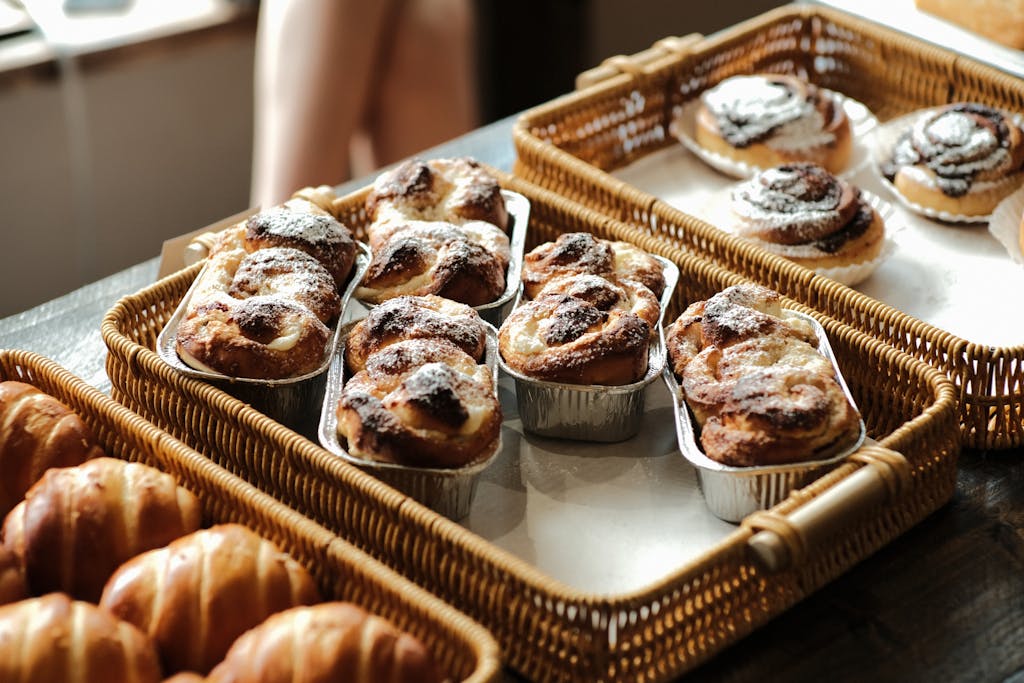
Carbs are not the enemy, but lonely carbs can be a problem. A plain granola bar, a piece of toast, or a sugary snack may give you quick energy, but it can also leave you hungry again soon after. That afternoon crash can make you reach for more snacks, more coffee, or anything sweet enough to push you through the day. Then the cycle repeats.
The smarter move is to pair carbs with protein, fiber, or healthy fat. Try an apple with peanut butter, toast with eggs, yogurt with fruit, or crackers with cheese. These combinations help meals feel more satisfying and steady. You still get the comfort and convenience of carbs, but you are no longer depending on them alone to carry your energy. This one shift can make your snacks feel more like support and less like a trap.
Having no backup plan for chaotic days
Perfect routines fall apart because real life is not perfect. You may plan to cook dinner, but a work deadline runs late. You may intend to exercise, but traffic steals your evening. You may promise yourself a healthy lunch, then realize you forgot to pack anything. Without a backup plan, one messy day can turn into a full week of bad choices.
A backup plan does not need to be impressive. Keep a few easy meals on hand that you actually enjoy. Frozen soup, rotisserie chicken, canned beans, whole-grain wraps, eggs, or pre-cut vegetables can save you when your schedule falls apart. The goal is to reduce decision fatigue. When you are tired, hungry, and annoyed, you should not have to invent a healthy plan from scratch.
Sitting all day and calling it “just being busy.”

Many people think movement only counts if it looks like a workout. That belief can keep you stuck. If you cannot make it to the gym, you may decide the whole day is already ruined. Meanwhile, your body spends hours sitting at a desk, in a car, on a couch, and at a table.
Short movement breaks matter because they are easy to repeat. A ten-minute walk after lunch, a quick stretch between tasks, or a few minutes of light movement after dinner can help you feel less stiff and more awake. You do not need to sweat through a brutal session every day to treat your body better. Movement should become part of your day, not another impossible item on your guilt list.
Beating yourself up every time you slip

Self-criticism often disguises itself as discipline. You miss a workout and call yourself lazy. You eat something sweet and decide the whole day is ruined. You fall behind on a goal and tell yourself you never stick to anything. That kind of inner voice does not make you stronger. It makes wellness feel like a courtroom where you are always guilty.
A better approach is to speak to yourself as if you were trying to help someone. Replace “I failed” with “I can restart.” Replace “I have to be perfect” with “I am practicing.” This does not mean making excuses. It means cultivating a mindset that allows you to keep going after a bad day instead of quitting completely. The people who build lasting habits are not perfect. They are simply better at returning to the habit after life interrupts them.
Conclusion
The biggest wellness mistake in 2026 is believing health has to be dramatic before it counts. Small habits can protect your energy, mood, focus, and confidence when you repeat them often enough. Add vegetables to meals you already like, take a short breathing break, balance your snacks, keep backup meals nearby, move for a few minutes, and stop speaking to yourself like an enemy.