Many home electrical hazards start with small everyday mistakes. Learn the electrical mistakes homeowners should avoid, including overloaded outlets, damaged cords, outdated wiring, missing GFCI protection, and unsafe DIY repairs.
Electricity rarely announces trouble politely. A warm outlet, a flickering light, a breaker that keeps tripping, or a faint buzzing sound may seem like a minor annoyance, yet these small warnings can point to a serious fire or shock hazard hidden behind the walls. Modern homes now demand more electricity than ever, with phone chargers, large appliances, gaming systems, home offices, security devices, smart TVs, space heaters, and outdoor equipment all drawing power from systems that may have been built decades ago.
Electrical safety matters because the risks are real. NFPA data shows that from 2020 to 2024, U.S. fire departments responded to an estimated average of 46,652 home structure fires in which electrical failure or malfunction played a role. ESFI also warns that home electrical fires account for an estimated 51,000 fires each year, nearly 500 deaths, more than 1,400 injuries, and $1.3 billion in property damage. The good news is that many of the most dangerous electrical mistakes are preventable once we know what to look for.
Overloading Outlets with Too Many Devices

One of the most common electrical mistakes homeowners make is treating a single wall outlet as if it can power an entire room. A power strip filled with chargers, lamps, speakers, gaming consoles, and a heater may look convenient, but the circuit behind that outlet has limits. When too many devices draw power at once, wires can heat up, connections can weaken, and breakers may trip repeatedly as the system tries to protect itself.
This mistake becomes more dangerous when high-wattage appliances enter the mix. Space heaters, microwaves, toaster ovens, air fryers, irons, hair dryers, and portable air conditioners should never be plugged into a crowded outlet setup. ESFI advises that major appliances should be plugged directly into a wall receptacle and that only one heat-producing appliance should be plugged into a receptacle outlet at a time. If a room constantly needs multi-outlet adapters to function, the real problem is usually too few outlets or circuits for modern demand.
Using Extension Cords as Permanent Wiring
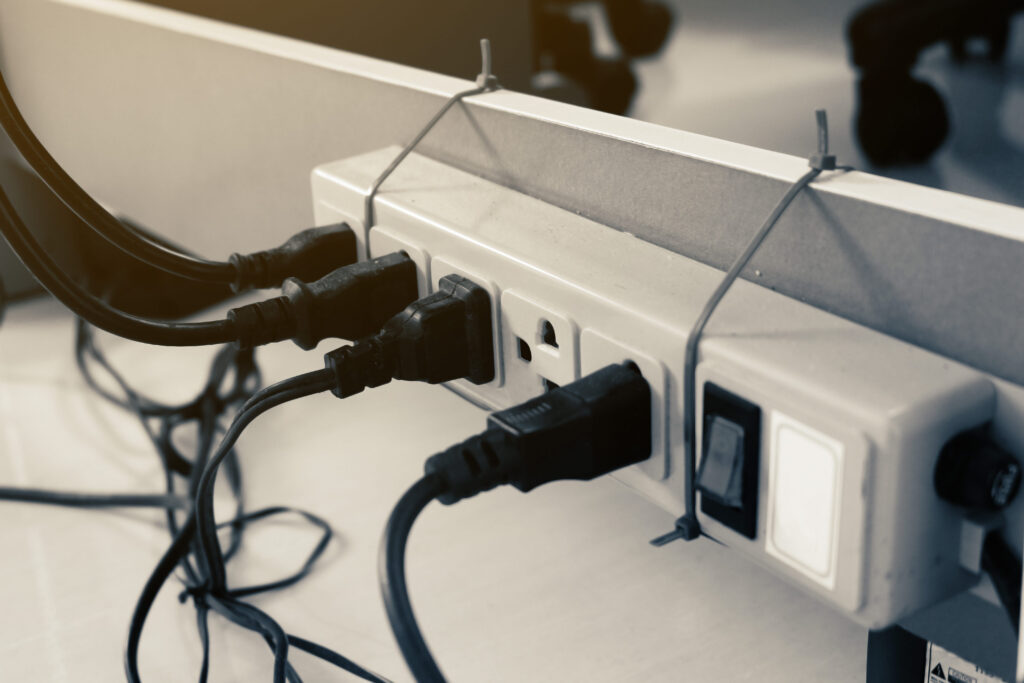
Extension cords are meant for temporary use, not as a long-term substitute for real wiring. Many homeowners run extension cords behind furniture, under rugs, across doorways, or along baseboards for months or years. That creates several risks at once. The cord can get pinched, overheated, frayed, stepped on, or hidden under materials that trap heat.
The U.S. Consumer Product Safety Commission warns that extension cords can overheat and cause fires when they are overloaded, damaged, or used with appliances that draw more watts than the cord can handle. CPSC also says extension cords should only be used temporarily and should never be run under carpets, through doorways, or under furniture. If we need power at the same place every day, the safer option is to have a qualified electrician install a proper outlet.
Ignoring Warm Outlets, Hot Plugs, and Burning Smells
A warm outlet is not a quirky old house problem. It is a warning sign. Outlets, plugs, switch plates, and cords should not feel hot during normal use. Heat can mean a loose connection, overloaded circuit, damaged wiring, poor contact inside the receptacle, or a device pulling too much power.
A burning smell should be treated even more seriously. Electrical fires can begin inside walls, behind outlets, or in appliance cords before flames become visible. ESFI lists unusual sizzling or buzzing sounds, flickering lights, repeatedly tripping breakers, and insulation problems as warning signs that should prompt immediate contact with a qualified electrician. When we notice heat, odor, discoloration, or buzzing, the safest move is to unplug nearby devices, stop using that outlet, and schedule an inspection.
Plugging Large Appliances Into Power Strips
Power strips are useful for low-load electronics, but they are not built for every appliance in the house. A dangerous habit is plugging refrigerators, freezers, washers, dryers, microwaves, space heaters, portable AC units, or sump pumps into power strips or light-duty extension cords. These appliances often need a dedicated outlet and stable power supply because they can draw heavy current, especially at startup.
The risk rises when the power strip is old, cheap, damaged, or hidden behind furniture. Some power strips provide surge protection, some only add extra outlets, and many homeowners do not know the difference. Even a surge protector does not magically increase the capacity of the wall circuit. If an appliance manual says to plug directly into a wall outlet, we should treat that instruction as a safety requirement, not a suggestion.
Using the Wrong Bulb Wattage in Light Fixtures
A light fixture’s wattage rating serves a purpose. When homeowners install bulbs that exceed the fixture’s recommended wattage, the socket and surrounding materials can overheat. This mistake is common in older lamps, ceiling fixtures, closets, basements, garages, and decorative fixtures where the label is faded or ignored.
The danger is not limited to the bulb itself. Excess heat can damage insulation around fixture wiring, dry out materials, and increase fire risk over time. ESFI specifically advises homeowners to use light bulbs with a wattage that matches the recommended wattage for the light fixture. LED bulbs have helped reduce this risk because they often use less wattage than older incandescent bulbs, but we still need to check the fixture rating, bulb type, and whether the fixture is enclosed.
Skipping GFCI Protection Near Water
Water and electricity do not forgive carelessness. Kitchens, bathrooms, laundry areas, garages, basements, crawl spaces, outdoor outlets, and pool areas need proper ground fault protection because people often use electrical devices near moisture. A standard outlet in these areas can create a serious shock hazard if a ground fault occurs.
A GFCI, or Ground Fault Circuit Interrupter, quickly shuts off electricity when it detects a ground fault. ESFI says GFCIs have been linked to an 80% drop in electrocutions and a 93% drop in consumer product electrocutions since their introduction. If an outlet near water does not have test and reset buttons, the protection may still exist at the breaker or another upstream device, but we should not guess. A licensed electrician can confirm coverage and correct unsafe gaps.
Forgetting to Test GFCI and AFCI Devices
Many homeowners have outlets with “test” and “reset” buttons, but never press them. That is a mistake because protective devices can fail, wear out, or stop responding properly. A GFCI that does not trip when tested may offer false confidence, and an AFCI that is not working may miss dangerous arcing conditions.
ESFI recommends testing outlets with test-and-reset buttons monthly. The process can be simple. Plug in a small lamp or nightlight, press the test button, confirm the light turns off, then press reset and confirm the device turns back on. If the device does not turn off during testing or does not turn back on after reset, ESFI says the outlet should be replaced. This small habit can catch a safety failure before it becomes a crisis.
Confusing AFCI Protection With GFCI Protection
AFCI and GFCI protection sound similar, but they solve different problems. A GFCI helps protect people from electric shock when electricity leaks through an unintended path. An AFCI helps protect the home from fires caused by dangerous arcing in damaged, overheated, or stressed wiring and devices.
ESFI explains that AFCIs protect against arcing faults that can cause a fire, while GFCIs protect against ground faults that can severely shock or electrocute a person. Both matter. Older homes may lack modern AFCI protection in areas where current safety standards now expect it. ESFI also notes that the Consumer Product Safety Commission estimates that 50% of home electrical fires could be prevented with proper AFCI protection. During renovations, panel upgrades, or inspections, we should ask a qualified electrician where AFCI and GFCI protection are needed.
Ignoring Frequent Breaker Trips
A circuit breaker that trips once after a rare overload may be doing its job. A breaker that trips repeatedly is sending a message. Too many homeowners simply flip the breaker back on and keep using the same devices, which can hide a deeper electrical problem.
Repeated trips can point to overloaded circuits, short circuits, ground faults, damaged appliances, failing breakers, or wiring defects. The worst response is replacing the breaker with a larger one without verifying that the wire can safely handle the higher amperage. That can remove a critical layer of protection, allowing the wiring to overheat. Breakers protect wires, not convenience. If the same breaker keeps tripping, we should reduce the load and get the circuit evaluated.
Doing DIY Electrical Repairs Without Enough Knowledge
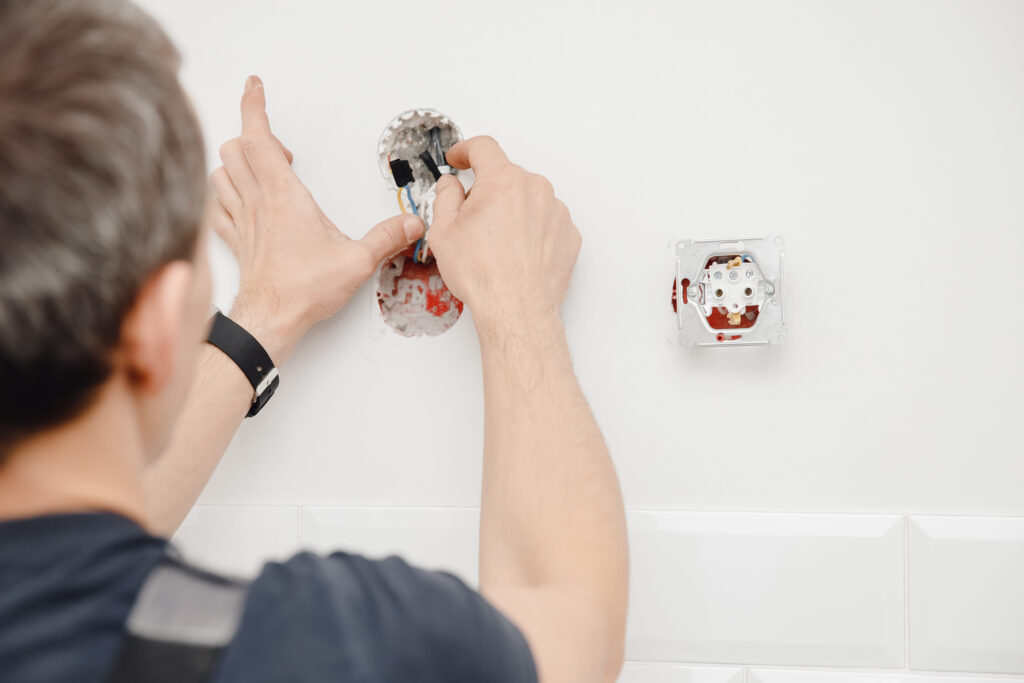
Painting a room is forgiving. Electrical wiring is not. Many homeowners feel comfortable replacing outlets, adding light fixtures, extending wiring, or installing smart switches after watching a short online video. The problem is that electrical work depends on details we cannot safely improvise, including box fill, grounding, wire gauge, circuit load, polarity, splicing, breaker size, local code rules, and device ratings.
The most dangerous DIY mistakes often disappear behind walls. Loose wire nuts, reversed polarity, missing grounds, overfilled boxes, exposed copper, buried junctions, and mismatched wire sizes can sit quietly until heat, vibration, moisture, or load exposes the defect. ESFI recommends having a home electrical system thoroughly inspected by qualified electricians to confirm that the electrical work meets the safety provisions of the National Electrical Code. We do not need to fear every small home project, but we should know where the safe boundary ends.
Covering Cords With Rugs or Furniture
A cord under a rug may make a room look cleaner, but it can turn a visible hazard into a hidden one. Foot traffic can damage insulation. Furniture legs can crush the cord. Rugs can trap heat. Once the cord is hidden, we stop noticing wear, melting, kinks, or discoloration.
CPSC warns against running extension cords under carpets, through doorways, or under furniture. This advice applies especially to cords powering heaters, entertainment centers, lamps, and office equipment. A safer room setup may require moving furniture, using shorter visible cords, installing floor outlets where appropriate, or adding wall outlets in better locations. A cord that needs to be hidden for daily use usually means the room needs a better electrical plan.
Using Damaged Cords, Cracked Plugs, or Loose Outlets
Damaged electrical parts should not get a second life with tape and hope. Frayed cords, cracked plugs, loose outlets, missing grounding prongs, melted insulation, and exposed wires can create shock and fire hazards. The same applies to outlets that no longer grip plugs tightly. A plug that slips out or wiggles loosely can create poor contact, heat, and arcing.
CPSC says homeowners should look for visible signs of excessive wear or damage to plugs, sockets, and insulation, and replace damaged extension cords. It also warns against altering cord length, taping damaged insulation as an inadequate repair, or trimming plug blades. In simple terms, if a cord or outlet looks unsafe, feels loose, smells burnt, or shows heat marks, we should stop using it.
Neglecting Older Wiring in Aging Homes
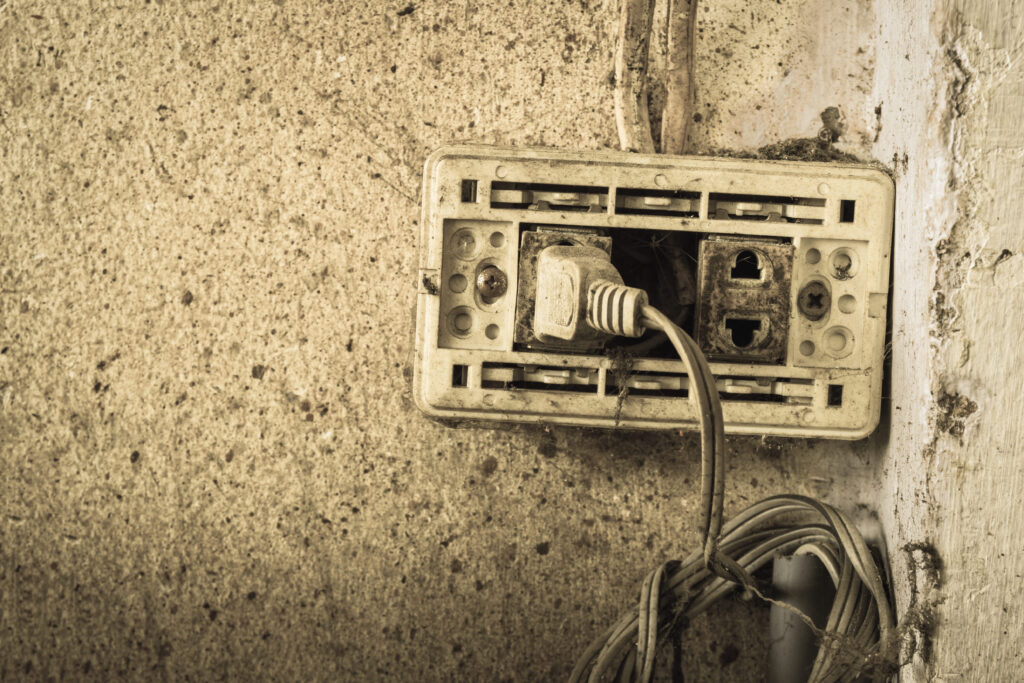
Older homes often have charm, but older electrical systems may struggle to meet modern power demands. A house built before today’s appliance-heavy lifestyle may have too few circuits, limited outlet placement, outdated panels, ungrounded outlets, old aluminum wiring, knob and tube wiring, brittle insulation, or previous owner repairs that were never inspected.
The danger is that old wiring issues can stay hidden until a renovation, appliance upgrade, or heavy seasonal load exposes them. Warning signs include flickering lights when appliances start, dimming lights, buzzing switches, frequent breaker trips, dead outlets, two-prong receptacles, burning smells, or a panel that feels warm.
NFPA’s earlier research on electrical failure or malfunction found that electrical distribution, lighting, and power transfer equipment accounted for nearly half of home fires involving electrical failure or malfunction in 2015 to 2019. If a home has never had a full electrical inspection, that inspection may be one of the most valuable safety upgrades available.
Forgetting Smoke Alarms and a Fire Escape Plan
Electrical safety is partly about prevention, but it is also about survival. Even careful homeowners need working smoke alarms because fires can start from hidden defects, appliance failures, storms, damaged cords, and mistakes made by previous owners. Smoke alarms buy time, and time is everything in a house fire.
ESFI advises installing smoke detectors on every level of the home, inside each bedroom, and outside each sleeping area. It also recommends testing smoke detectors and AFCIs monthly and practicing a family evacuation plan. A safer home has both layers: electrical hazards reduced before trouble starts and early warning systems ready if something goes wrong.