Ground wasps can turn a peaceful backyard into a place everyone suddenly avoids. One minute, you are mowing the lawn, watering plants, or walking near the patio, and the next, a swarm rises from a tiny hole in the ground, as if your yard has a hidden alarm system. The worst part is that many ground wasp nests are easy to miss until someone gets too close.
These insects often build nests in dry, sunny soil, abandoned burrows, cracks near foundations, garden beds, and quiet corners under decks or wood piles. Some are less aggressive than others, but yellow jackets and similar ground-nesting wasps can become defensive quickly when their nests are disturbed. If you want to get rid of ground wasps without turning the job into a painful backyard disaster, the key is knowing what to look for, what to avoid, and when to call in a pest control professional.
Hidden Nest Entrances Make the Problem Worse
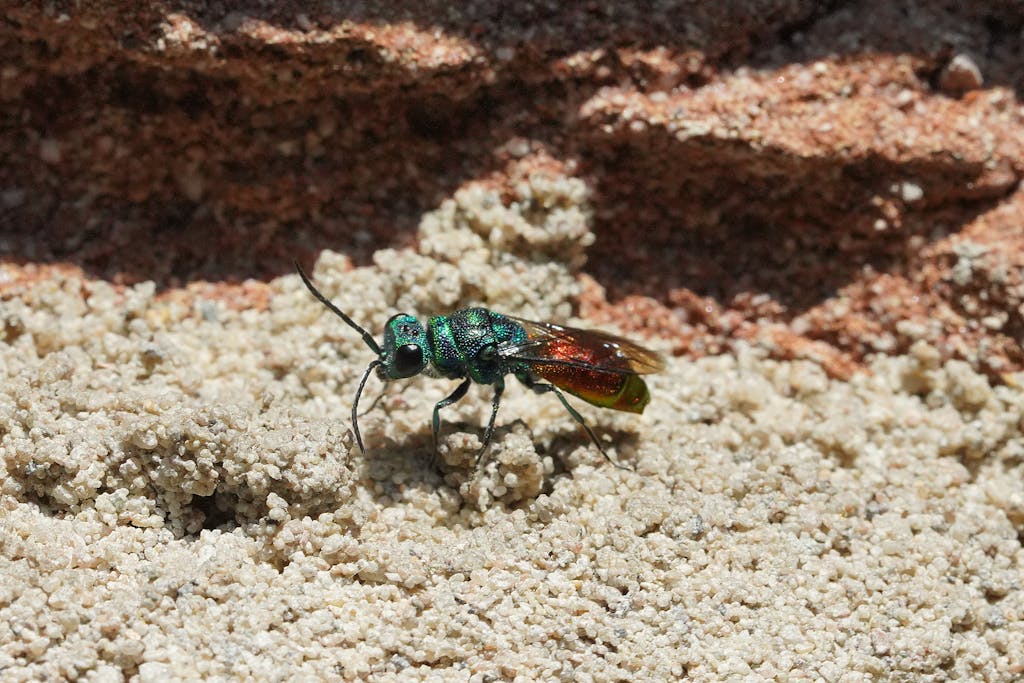
The biggest danger with ground wasps is that their nests often look harmless at first. You may only see a small hole in the dirt, a little mound of loose soil, or wasps flying low in the same area over and over again. Many homeowners mistake the entrance for an ant hill, a chipmunk hole, or a random patch of disturbed soil.
Before trying any removal method, watch the area from a safe distance. Look for wasps entering and leaving the same spot, especially in the morning or evening when activity is easier to track. Do not poke the hole, step near it, mow over it, or spray it without a plan. That small opening can lead to a much larger underground nest, and disturbing it can send angry wasps straight toward you. Mark the area from a distance with a visible object so family members, children, guests, and pets know to stay away.
Daytime Removal Can Trigger a Painful Attack

Trying to remove ground wasps in the middle of the day is one of the worst mistakes homeowners make. Wasps are more active during daylight hours, which means more of them may be flying in and out of the nest. If you spray, dig, flood, or block the entrance while they are active, you increase the chance of being stung.
The safer approach is to handle the problem during cooler, quieter hours, usually early morning or late evening. Wear thick clothing, long sleeves, pants, gloves, closed shoes, and eye protection. Move slowly and avoid standing directly over the nest entrance. If you are allergic to stings, have been stung severely before, or see heavy wasp activity, do not attempt to remove them yourself. A professional pest control service is the better choice because a large underground colony can become dangerous very quickly.
Weak Home Remedies May Only Anger the Nest

Some natural methods can reduce wasp activity, but weak or careless home remedies may make the problem worse. Pouring water into the nest, for example, may sound simple, but it often fails to reach the full colony. Instead of solving the problem, it can irritate the wasps, putting them on the defensive.
Diatomaceous earth is often used around nest entrances because it affects insects that crawl through it, but it may take time and usually needs to be reapplied after rain. Vinegar, sugar, water, and dish soap traps can help reduce flying wasps nearby, but traps do not always destroy the nest itself. These methods work best for smaller problems or as part of a wider control plan. Never use gasoline, fire, bleach, or random chemical mixtures. Those methods are unsafe, can damage your yard, and may create a bigger hazard than the wasps.
Chemical Sprays Can Be Risky Without Proper Use
Wasp sprays and insecticide dusts can be effective, but they must be used carefully. Ground nests are different from visible paper nests hanging under eaves because the colony is underground. A surface spray may kill a few wasps near the opening but leave the deeper colony alive.
Read the product label before using any wasp or hornet spray. Choose a product made for the type of nest you are treating, and follow the instructions exactly. Keep children and pets away from treated areas, and avoid spraying near edible garden plants, water sources, or windy spaces where chemicals can drift. If you cannot clearly see where the wasps are entering, or if there are multiple entrances, call a professional. Guessing with insecticide can waste time and put you at risk.
Ignoring Prevention Invites the Wasps Back
Getting rid of one nest is only half the job. If your yard still offers dry soil, hidden gaps, food scraps, standing water, and quiet nesting spots, ground wasps may return. Prevention matters because wasps are attracted to places where they can nest undisturbed and find easy access to food or water.
Keep your lawn trimmed, rake up debris, seal cracks near foundations, and fill abandoned burrows when you are sure they are empty. Move wood piles away from the house, clean up fallen fruit, cover outdoor trash bins tightly, and avoid leaving sugary drinks or food scraps outside. Reduce standing water in buckets, plant saucers, clogged gutters, and low spots in the yard. Some homeowners also use strong-scented plants, such as mint, thyme, citronella, or lemongrass, near patios and sitting areas, though these should be used as deterrents rather than as guaranteed protection.
Conclusion
Ground wasps are not just an annoying backyard problem. They can become a serious safety issue when nests are hidden, disturbed, or handled improperly. The safest plan starts with identifying the nest, keeping people and pets away, avoiding risky daytime removal, and using any treatment method with care.
If the nest is small and easy to monitor, careful natural control or a labeled wasp product may help. If the colony is large, aggressive, close to your home, or near a high-traffic area, professional removal is the smarter move. Your yard should feel like a place to relax, not a place where every step comes with a sting warning.