Retirement is often sold as a reward, but the first months can feel strangely uncomfortable. The alarm clock stops, the job title fades, the paycheck changes, and the calendar suddenly looks too open. That quiet shift can expose problems people rarely mention until they are already living through them.
We need to think about retirement as a life redesign, not just a money milestone. Savings matter, but so do purpose, health, relationships, routine, social connection, housing, and emotional stability. The best retirement plan prepares for the hidden problems as carefully as it prepares for the obvious bills.
Retirement Can Shock You After the Celebration Ends
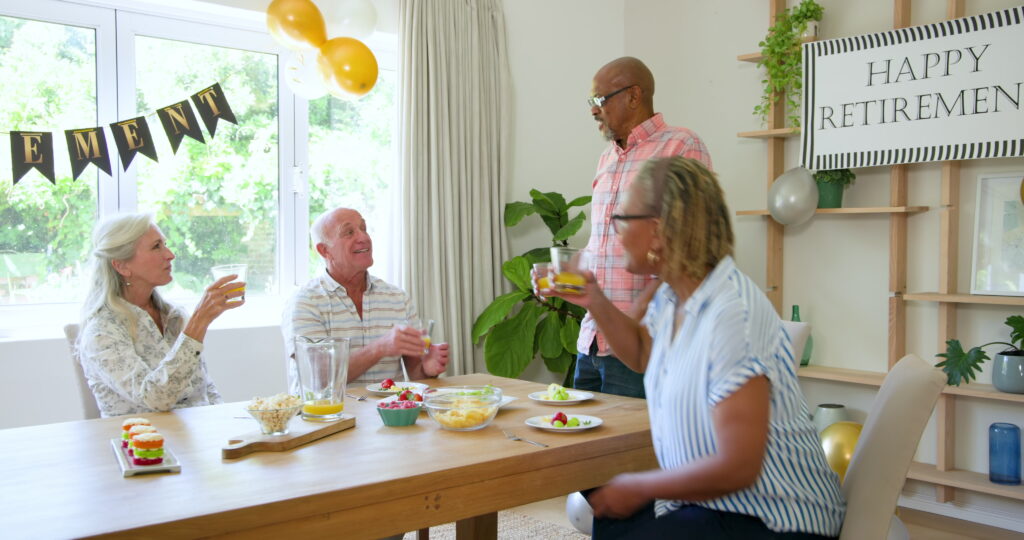
The retirement party can make the transition feel simple, but the next morning often tells a different story. Work may have been stressful, yet it also provided structure, deadlines, conversation, movement, and a clear reason to get dressed. When that structure disappears overnight, even people who wanted retirement can feel oddly unsettled.
We need a retirement road map before the celebration ends. That road map should include a wake-up routine, weekly errands, exercise, social plans, hobbies, financial reviews, and meaningful projects. AARP encourages new retirees to think carefully about how they will spend the first month because the early rhythm can shape the transition that follows.
The Paycheck Problem Makes Every Bill Feel Bigger
The biggest retirement shock is often the loss of a steady income. During working years, a bad spending month can be softened by the next paycheck, a bonus, overtime, or extra work. In retirement, the same mistake can force a painful trade-off between groceries, medical costs, travel, home repairs, or helping family.
This is why retirement confidence has become such a sensitive issue. The Federal Reserve reported that only 35 percent of non retirees thought their retirement savings plan was on track, suggesting many households are approaching retirement with real uncertainty. A strong plan needs a monthly income strategy, not just a vague hope that savings will stretch far enough.
Social Security Is Helpful But Often Misunderstood
Social Security can keep many retirees afloat, but it usually cannot support the whole of their lifestyle. Many people claim benefits without fully understanding how timing affects the monthly amount. That decision can shape income for decades, so it deserves more attention than a rushed guess.
We need to treat Social Security as one piece of the retirement puzzle. The Social Security Administration explains that delayed retirement credits can increase monthly benefits after full retirement age, but the increase stops at age 70. That does not mean everyone should wait, but it does mean that claiming early without careful planning can reduce long-term flexibility.
Housing and Healthcare Costs Can Drain the Budget

A paid-off home can still be expensive in retirement. Property taxes, insurance, utilities, repairs, maintenance, transportation, and accessibility upgrades can turn the house into one of the highest ongoing costs. The Bureau of Labor Statistics reported that housing and transportation accounted for about half of average household spending in 2024, with housing averaging $26,266 per year.
Healthcare can be even more frightening because it is harder to predict. Medicare does not erase every premium, deductible, prescription, dental bill, vision expense, hearing need, or long-term care risk. Fidelity estimated that a 65-year-old retiring in 2025 could spend $172,500 on healthcare and medical expenses throughout retirement, which makes medical planning a central retirement issue rather than a footnote.
Free Time Can Turn Into Empty Time
At first, free time feels like the prize. Then the days begin to blur, small tasks stretch too long, and the absence of deadlines can make life feel strangely weightless. The problem is not having free time; the problem is having no meaningful shape around it.
We need to give retirement a rhythm without turning it into another job. That rhythm can include walking, volunteering, learning time, creative work, gardening, faith activities, mentoring, or regular meetups with friends. A satisfying retirement usually needs enough structure to protect purpose and enough freedom to feel earned.
Work Identity Can Disappear Before A New Purpose Appears

Many people underestimate how much of their identity comes from work. A job title, uniform, client list, business card, team, or professional reputation can make a person feel seen and useful. When those markers disappear, retirement can feel less like freedom and more like losing a public version of yourself.
We need to build a new identity before the old one fully fades. That identity might come from teaching, consulting, volunteering, caregiving, writing, coaching, community leadership, creative projects, or becoming the person others come to for wisdom. Retirement feels stronger when it answers a deeper question than how we spend time.
Marriage, Family, And Boundaries Can Get Messy
Retirement can change the atmosphere inside a home. Couples who once spent most weekdays apart may suddenly share breakfast, lunch, errands, television time, chores, and every small habit. Even loving relationships can feel crowded when retirement removes the natural breathing room work once provided.
Family expectations can also grow quickly. Adult children may assume that retirees are available to babysit, run errands, offer financial help, provide emotional support, or offer last-minute favors. We need kind boundaries because retirement should include generosity, but it should not become unpaid labor with no room for rest.
Loneliness Can Become A Health Risk

Retirement can quietly remove everyday social contact. The office gossip, quick lunch, shared complaint, casual joke, and familiar faces may have looked ordinary, but they often carried emotional value. People who live alone can feel the shift more sharply because the workday may have been their main source of regular conversation.
We should treat connection as part of retirement health. The National Institute on Aging notes that loneliness and social isolation are linked with higher risks for health problems such as heart disease, depression, and cognitive decline. Regular contact through clubs, walking groups, former coworkers, volunteering, faith communities, classes, or neighbors can protect both mood and health.
Bad Habits Can Grow When Structure Disappears
Work often creates routines people do not notice until they are gone. Meals happen around a schedule, movement happens through commuting or errands, and chores get squeezed into predictable windows. Retirement can loosen all of that, making it easier to justify procrastination, snacking, sitting too long, and irregular sleep.
We need small systems that make healthy choices feel normal. A weekly home list, a daily walking routine, a simple meal plan, a regular grocery schedule, and set medical appointments can prevent drift. The goal is not perfection, but a repeatable routine that keeps retirement from becoming one long, unplanned afternoon.
Comparison, Age Bias, And Scams Can Steal Confidence
Comparison can make retirement feel worse than it really is. One friend may travel constantly, another may remodel the house, and another may still work because savings fell short. Retirement becomes emotionally dangerous when we judge our life against someone else’s highlight reel.
Age bias and scams can also damage confidence. Some retirees feel ignored, rushed, or spoken to as if their intelligence disappeared with their job title, while scammers may target older adults through fake government messages, investment pitches, romance schemes, or urgent payment demands. A calm second-opinion rule can help protect savings, dignity, and decision-making power.