Raw honey looks innocent sitting in a jar, but many people use it in ways that strip away its best qualities or turn it into just another spoonful of sugar. It has a golden, old-fashioned charm that makes it feel healthier than regular sweeteners, and that is exactly why people sometimes overdo it. The real value of raw honey comes from using it carefully, not pouring it on everything and calling it wellness. If you want the best raw honey benefits, you need to know where people get it wrong.
Treating Raw Honey Like a Free Pass for Sugar
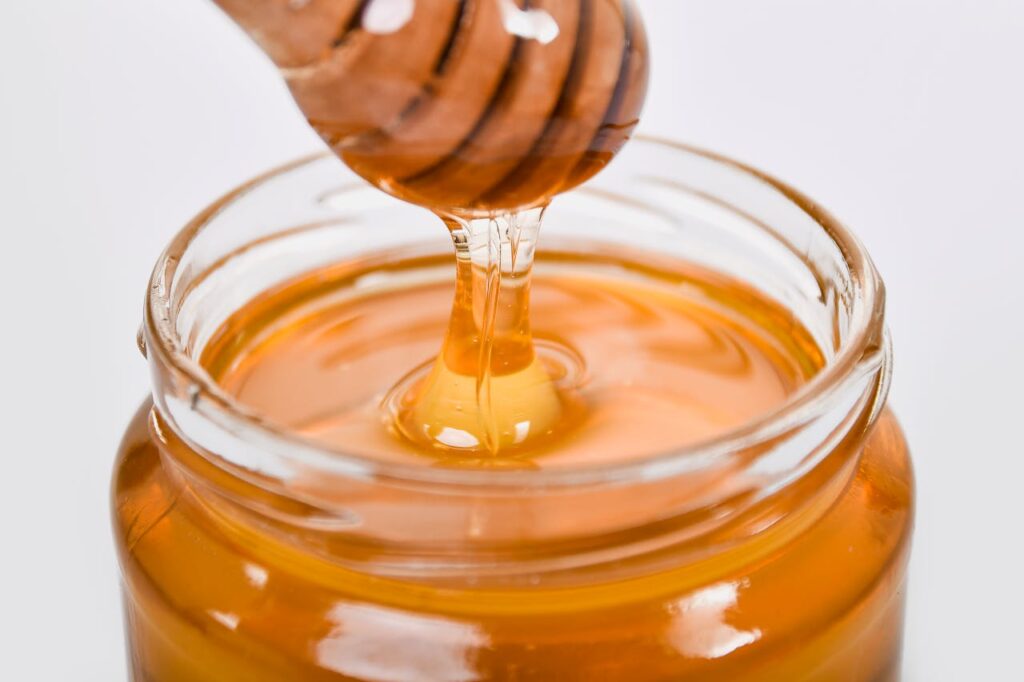
The biggest mistake people make with raw honey is assuming “natural” means harmless. Raw honey may come from bees instead of a factory, but it is still sweet, calorie-dense, and easy to overuse. A spoonful in tea or yogurt can be a smart swap, but drizzling it over toast, smoothies, cereal, oatmeal, and desserts on the same day can quickly turn a healthy habit into a sugar habit.
This matters because honey works best as a small flavor enhancer, not a food group. Its deep sweetness means you often need less of it than table sugar, which is where the benefit begins. Use it to replace refined sweeteners in small amounts, rather than adding it to an already sweet diet. That simple shift keeps raw honey useful, rather than letting it sneak extra sugar into your day.
Heating It Until the Good Stuff Fades
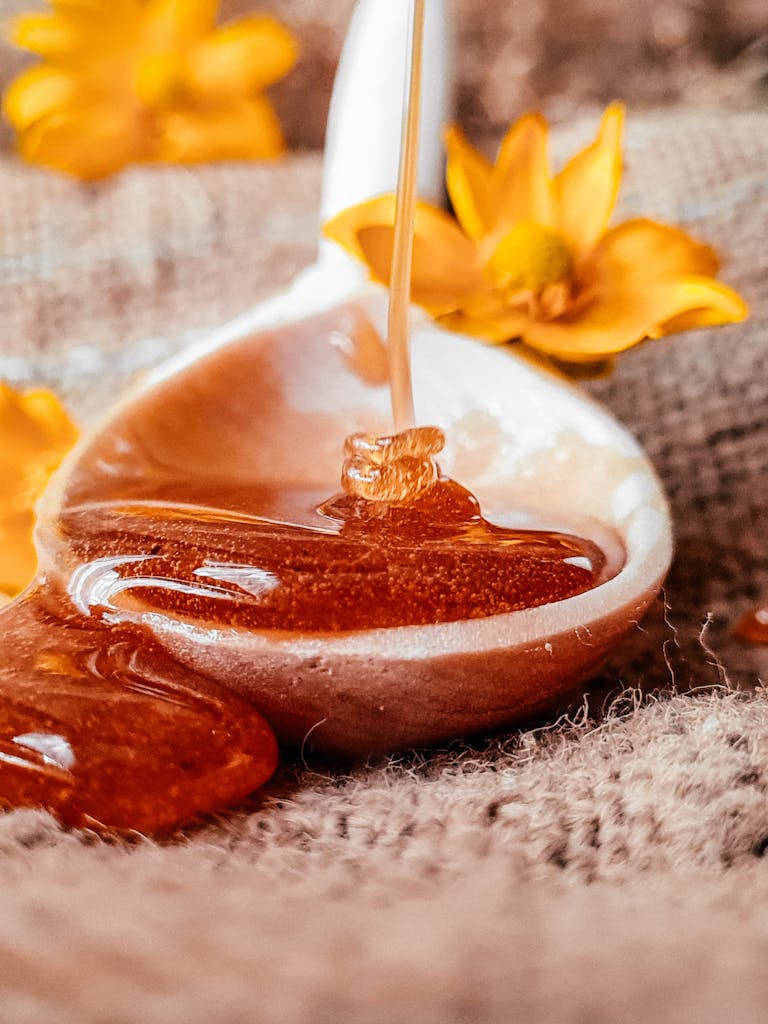
Raw honey is prized for being less processed than regular honey. It often keeps more of its natural enzymes, pollen traces, antioxidants, and plant compounds. But many people drop it into boiling drinks, bake it at high heat, or stir it into recipes that cook for too long. That can reduce some of the delicate qualities that make raw honey different in the first place.
A better approach is to let hot drinks cool slightly before adding honey. Stir it into warm tea, not boiling tea. Add it to oatmeal after cooking, not while it is bubbling on the stove. Use it in salad dressings, yogurt bowls, fruit, smoothies, or toast where its flavor can shine without harsh heat. This way, you still enjoy the comfort and sweetness without treating raw honey like ordinary syrup.
Ignoring Its Sore Throat Comfort Power
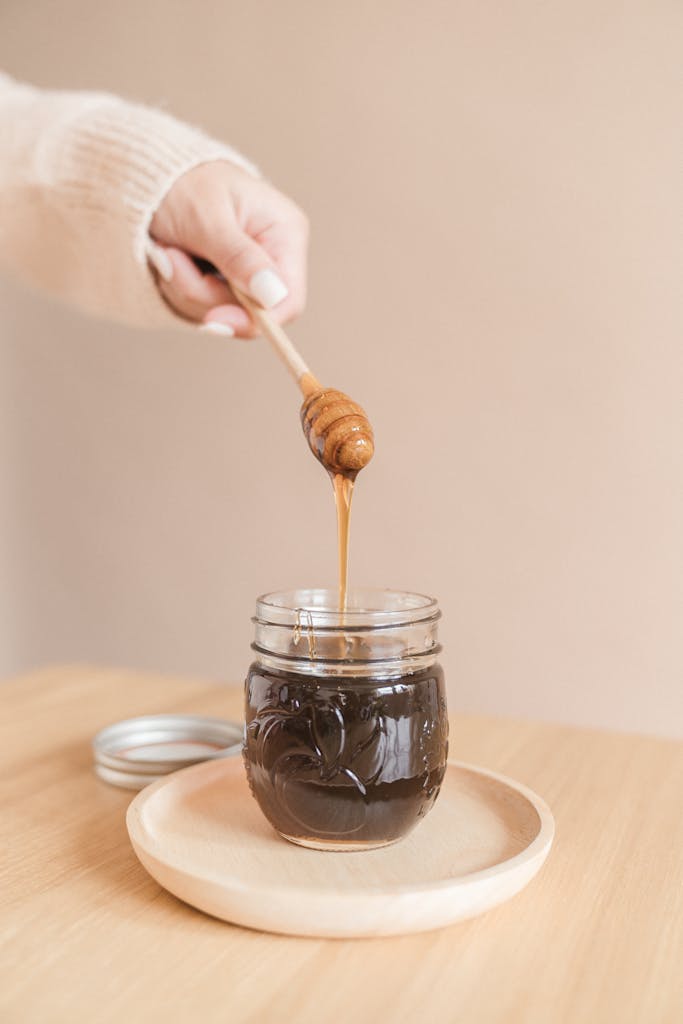
One of the most loved raw honey benefits is its soothing effect when your throat is scratchy. Many people reach for candy, sugary drinks, or harsh lozenges before trying a small spoonful of honey in warm water or tea. Raw honey coats the throat gently, which can make irritation feel less sharp for some people. That does not make it a cure, but it can be a comforting home option.
The mistake is expecting it to replace medical care when symptoms are serious. A mild throat tickle is one thing. Fever, trouble breathing, severe pain, or symptoms that persist are different. Raw honey can be part of your comfort routine, especially during dry weather or cold season, but it should not become the reason you ignore warning signs. Use it wisely, and it earns its place in the kitchen cabinet.
Forgetting That Raw Honey Is Not Safe for Babies
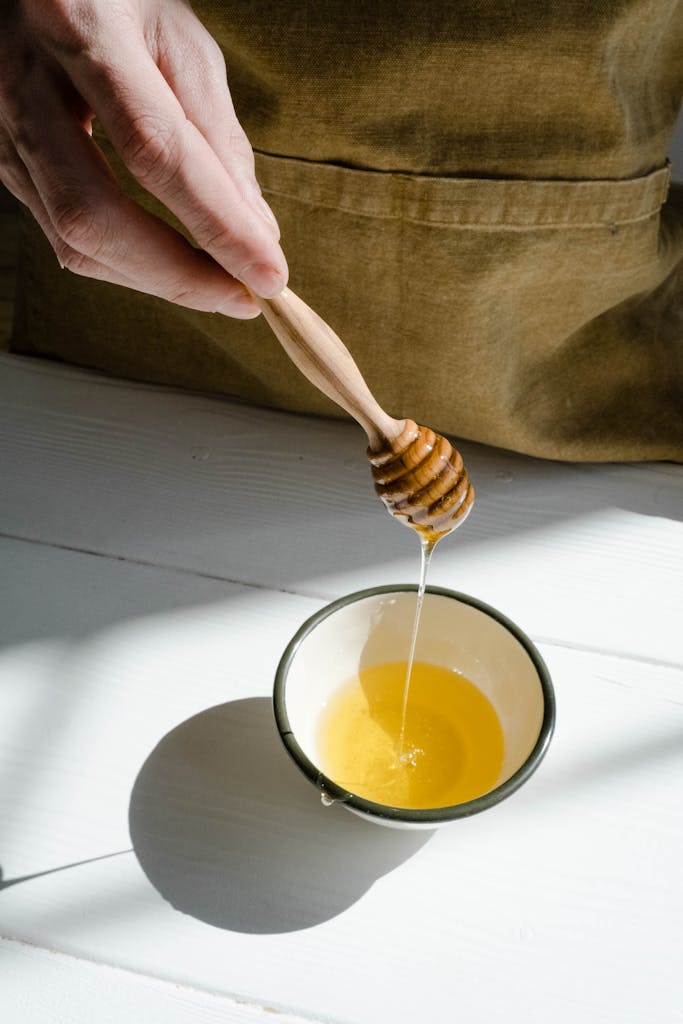
This is the most dangerous mistake on the list. Honey should never be given to babies under 12 months old. That includes raw honey, regular honey, honey mixed into food, honey in water, or even a tiny taste on a pacifier. Adults and older children can usually handle honey safely, but babies have immature digestive systems that make them vulnerable to infant botulism.
This warning is easy to miss because honey has such a wholesome image. It feels gentle, traditional, and natural, so some parents assume it must be safe for everyone. It is not. If there is a baby in the home, keep honey out of their food completely until after their first birthday. No health trend, family remedy, or “just a little” argument is worth taking that risk.
Buying Any Jar Without Checking Quality
Not every jar labeled honey gives you the same experience. Some honey products are heavily processed, blended, overheated, or diluted in ways that make them less close to the raw version people expect. The mistake is grabbing the cheapest bottle without reading the label or knowing where it came from. If you want real raw honey benefits, quality matters.
Look for honey labeled raw, unfiltered, or minimally processed, and buy from trusted brands, local beekeepers, farmers’ markets, or stores with clear sourcing. Raw honey may look cloudier or thicker than processed honey, and it can crystallize over time. That does not mean it has gone bad. It often means the honey has kept more of its natural character. Store it in a cool, dry place and keep the lid tightly closed.
Conclusion
Raw honey can be a beautiful upgrade in your diet, but only when you respect what it is. It is not magic medicine, nor is it sugar-free health food. It is a naturally sweet ingredient with soothing, flavorful, and potentially helpful qualities when used in small, thoughtful amounts. The people who get the most from it are not the ones who pour it everywhere. They are the ones who use it with care, avoid overheating it, keep it away from infants, and choose better-quality jars.