Age has a quiet way of telling the truth. It does not shout. It waits until the noise fades, the house grows still, and a person finally has enough silence to see what mattered and what never did.
People in their 80s often do not regret one dramatic mistake. They regret the small daily choices that looked harmless at the time. The missed calls. The delayed dreams. The body they ignored. The love they took for granted. The courage they kept postponing.
Treating Time Like It Would Never Run Out
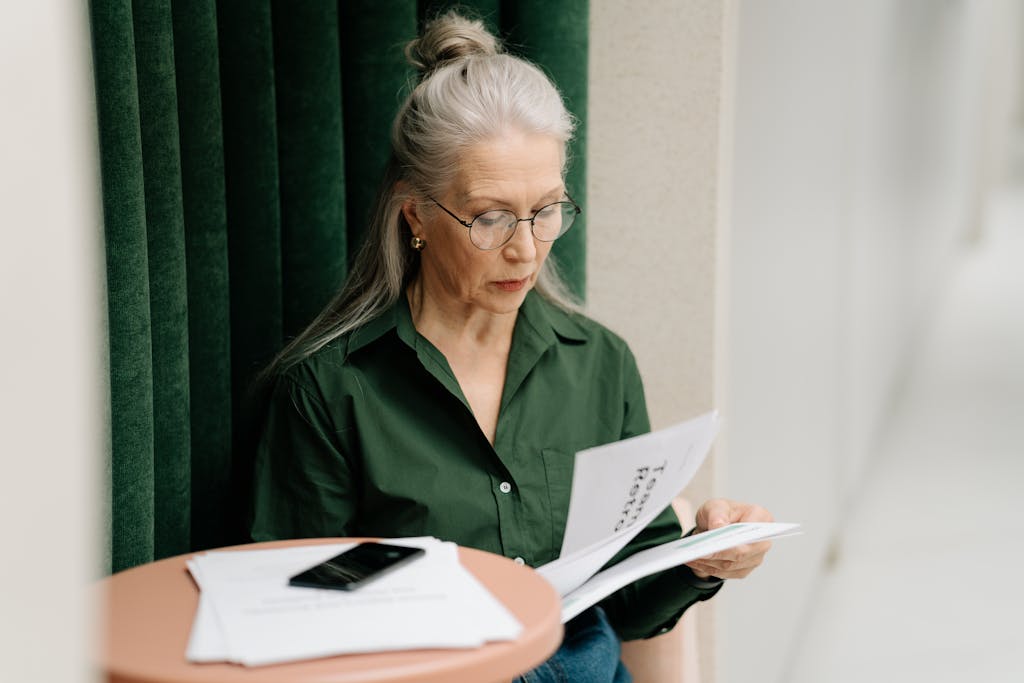
When people are young, time feels endless. There is always next year, next month, next weekend, or some perfect future season when everything will finally begin. That illusion can make people delay the life they truly want while they wait for the right money, the right confidence, the right partner, or the right moment.
By the time many people reach their 80s, they understand that time was never as wide as it looked. The years did not disappear all at once. They slipped away through ordinary Tuesdays, busy inboxes, postponed trips, and conversations that never happened. That regret hurts because nobody gets to go back and spend yesterday better.
Working So Much That Life Passed Them Quietly

Work matters, but many older adults look back and realize they gave their best energy to jobs that replaced them faster than they expected. They missed birthdays, skipped rest, ignored family dinners, and treated exhaustion like a badge of honor. At the time, it felt responsible. Later, it can feel like a poor trade.
The painful part is that most people do not regret doing meaningful work. They regret letting work swallow their identity. They wish they had protected more evenings, taken more walks, used their vacation days, and remembered that a full calendar is not the same as a full life.
Not taking better care of their bodies earlier.
The body keeps receipts. What feels minor at 35 can become a loud complaint at 75. Many people in their 80s wish they had moved more, stretched more, slept better, eaten with more care, and stopped treating their health like something they could fix later.
This regret often comes with a sharp kind of honesty. They do not wish they had chased a perfect body. They wish they had protected a useful one. Strong legs, steady balance, healthy teeth, clear vision, and enough stamina to enjoy daily life become more valuable than most people understand when they are young.
Staying in Bad Relationships Too Long
One of the hardest regrets is realizing how many years were spent begging for love, peace, respect, or basic kindness from people who were never going to give it. Some stayed because they feared loneliness. Some stayed because they hoped things would change. Some stayed because leaving felt too difficult.
Looking back, many older people wish they had chosen peace sooner. They understand that being alone is not the same as being unloved, and staying with the wrong person can be lonelier than an empty room. The years spent shrinking for someone else often feel heavier with age.
Caring Too Much About What Other People Thought
This regret sounds simple, but it cuts deep. Many people reach old age and realize they spent decades performing for an audience that was barely watching. They dressed, spoke, worked, dated, married, parented, and lived according to opinions that vanished with time.
The cruel joke is that most people were too busy worrying about themselves to judge as much as we feared. People in their 80s often wish they had been bolder, stranger, softer, louder, freer, and more honest. Approval feels important in youth, but peace becomes more precious with age.
Letting Friendships Fade Without Fighting for Them

Friendship often disappears quietly. Nobody announces the ending. The calls get shorter, the visits get delayed, and the messages turn into birthday greetings once a year. Then one day, a person realizes they lost people they still loved simply because no one kept reaching out.
Many older adults wish they had made friendship a priority rather than treating it as background music. They miss the friends who knew their younger selves, the people who could laugh at old stories, and the familiar voices that made life feel less heavy. Strong friendships do not survive on memory alone. They need effort.
Being Too Afraid to Start Over
Starting over can feel embarrassing when we are young. Changing careers, leaving a town, ending a relationship, going back to school, or admitting a dream has changed can feel like failure. Yet many people in their 80s say the real failure was staying stuck out of fear of judgment.
Life gives people more than one version of themselves. The problem is that fear often convinces them to remain loyal to an old life long after it no longer fits. Older people often wish they had trusted new beginnings sooner, because discomfort fades faster than regret.
Not Saying What Needed to Be Said
Some regrets live in the throat. The apology that never came. The thank you that stayed unspoken. The love that was assumed but never said clearly. The boundary that should have been set years earlier. The honest conversation kept getting delayed because it felt uncomfortable.
By the 80s, people knew that silence can be expensive. Words can heal, release, protect, and connect, but only when they are spoken in time. Many older adults wish they had said less to impress people and more to reach them.
Conclusion
The heaviest regrets are rarely about one giant mistake. They are usually about the life we slowly build when we keep choosing fear, delay, pride, comfort, or approval over what we know matters.
People in their 80s often become clear about one thing: life is not waiting for us to feel ready. The years are moving anyway. The best time to protect your health, love your people, choose peace, speak honestly, and live with courage is not someday. It is now, before “later” becomes the word that hurts most.