Social media thrives on quick fixes, impressive transformations, and creative solutions that promise to save time, money, or effort. While some DIY projects are effective, many viral hacks are deceptively risky, impractical, or unsafe. They often encourage shortcuts, ignore critical safety measures, or promote untested methods that can lead to injury, property damage, or long-term problems. Awareness and caution are essential when attempting any popular hack that looks simple on camera but can have unintended consequences in real life.
Using Bleach With Other Household Chemicals
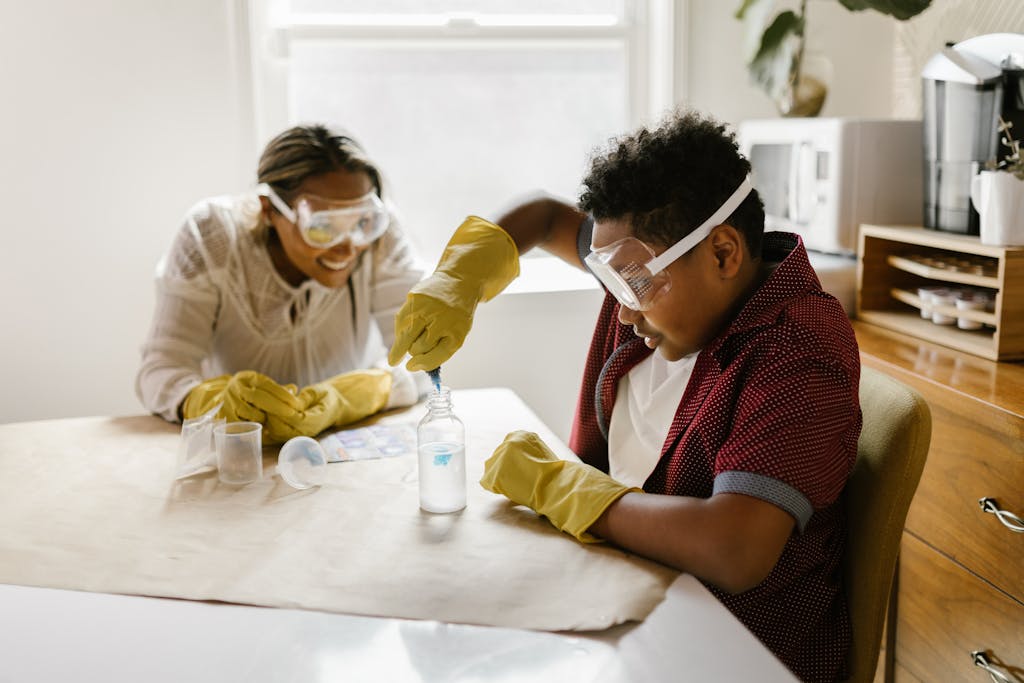
Videos often show bleach mixed with ammonia, vinegar, or other cleaners to intensify its cleaning power. These methods create toxic fumes that can irritate the lungs, cause chemical burns, and even be life-threatening if inhaled in enclosed spaces. Many tutorials fail to mention the concentration or ventilation needed to handle bleach safely, leaving viewers at serious risk.
Proper cleaning relies on using bleach strictly as directed, avoiding chemical mixtures, wearing gloves, and ensuring adequate airflow to prevent exposure. Even small amounts, if mixed incorrectly, can produce hazardous gases that can damage respiratory health and irritate the skin and eyes.
Heating Plastic Wrap in the Microwave
Some DIY hacks recommend microwaving plastic wrap to cover dishes, seal food, or soften ingredients quickly. Heating plastics not labeled microwave-safe can release harmful chemicals into food, including phthalates and dioxins, which pose long-term health risks. Melted or deformed plastic can also cause burns or damage appliances.
Safe alternatives include microwave-safe lids, parchment paper, or silicone covers. Ignoring proper materials can turn a simple convenience trick into a toxic or dangerous situation, making it critical to use tested, safe options when heating any plastic.
Unverified Hair Treatments
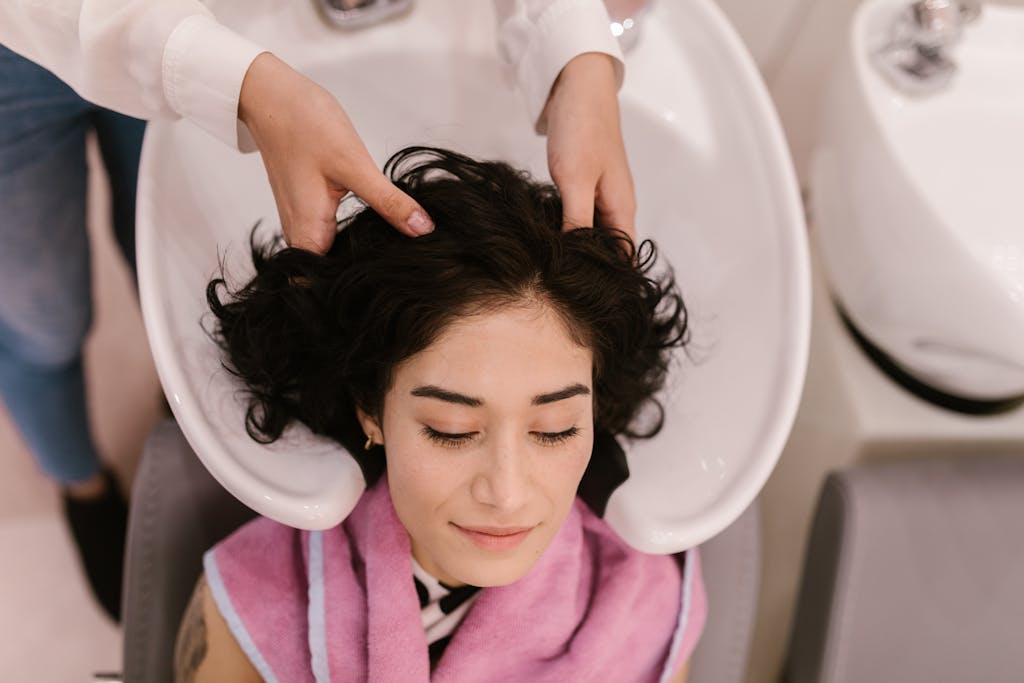
DIY hair hacks claim to promote growth, shine, or color correction using essential oils, lemon juice, bleach, or other untested mixtures. Many of these treatments cause scalp irritation, burns, hair breakage, or allergic reactions. Tutorials often omit information about timing, dilution, or hair type compatibility, increasing the likelihood of damage.
Professional advice and tested products ensure treatments match hair needs without jeopardizing scalp health. Extreme or experimental approaches in viral videos often sacrifice safety for speed or dramatic results.
Homemade Teeth Whitening Recipes
Social media often promotes teeth whitening using baking soda, lemon juice, or activated charcoal. While these approaches appear natural, repeated use can erode enamel, weaken dentin, and irritate the gums. The immediate visual effect may seem impressive, but the long-term impact includes increased sensitivity, tooth decay, and uneven coloration.
Dental professionals recommend clinically approved whitening products or treatments that balance effectiveness with safety. Natural ingredients without professional guidance are unpredictable and may do more harm than good over time.
Shortcuts for Home Repairs
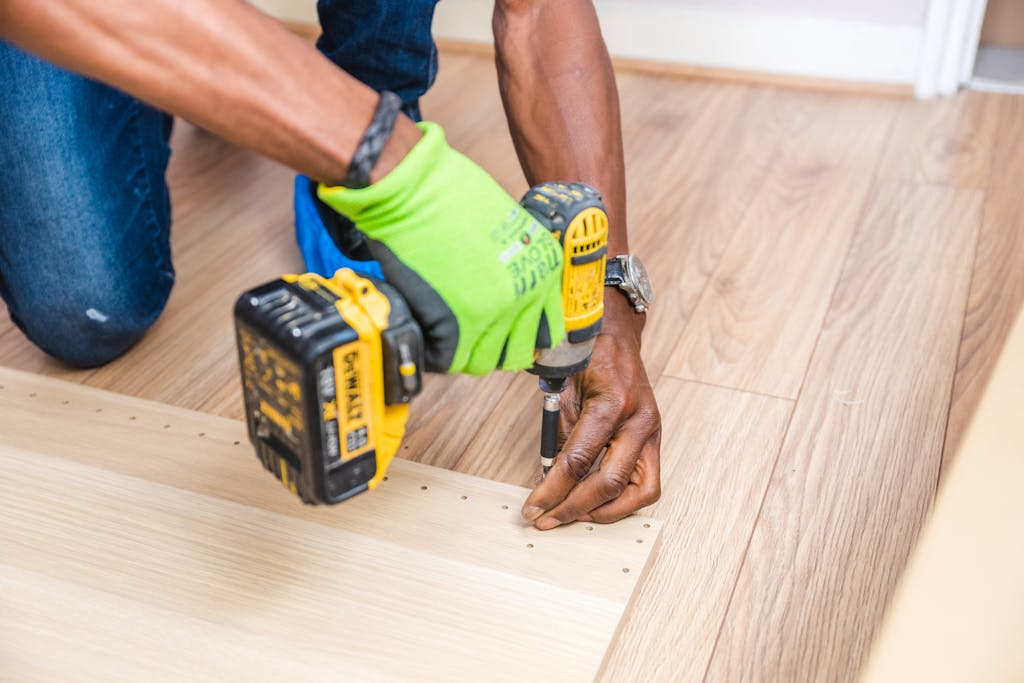
Social media is filled with hacks for repairing walls, furniture, or plumbing using household items or adhesives. Videos may suggest using glue, duct tape, or heat as substitutes for proper tools and materials. These methods compromise structural integrity, create fire hazards, or worsen existing damage. Proper repair requires materials rated for specific applications, careful measurement, and adherence to safety standards.
Attempting shortcuts to speed up a viral repair can lead to costly damage and accidents, making professional guidance or the use of proper materials essential for any repair project.
Extreme Food Experiments
Food hacks involving frying unconventional items, mixing raw chemicals, or attempting multi-step viral recipes often seem impressive online but carry high risks. Raw eggs, gelatin, or chemical leavening agents require precise handling, and miscalculations can lead to burns, foodborne illness, or gastrointestinal issues.
Many viral recipes ignore proper hygiene, cooking temperatures, and ingredient interactions, leading to unsafe meals. Following verified recipes with tested techniques ensures both flavor and safety, avoiding harmful experiments that compromise health.
DIY Skin Care and Beauty Treatments
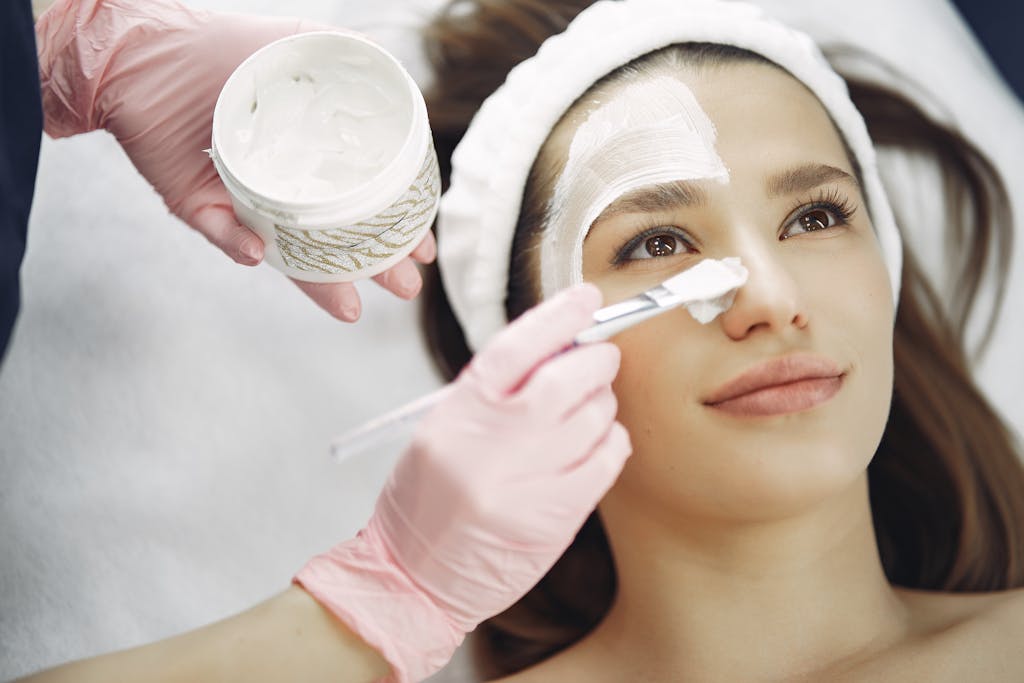
Face masks, scrubs, and serums using toothpaste, sugar, coffee grounds, or lemon juice are common on social media. These recipes often irritate skin, clog pores, or disrupt the natural barrier. Acidic or abrasive ingredients applied directly to sensitive skin can cause redness, burns, and long-term sensitivity.
Tested skin care products are formulated to maintain hydration, exfoliate safely, and preserve barrier function. Viral hacks often prioritize aesthetics over safety, leaving users irritated rather than with improved skin health.
Conclusion
Social media DIY hacks attract millions of viewers with their speed, creativity, and visual impact, but many viral projects carry hidden dangers. Improper use of bleach, microwaving plastic wrap, homemade teeth whitening, unverified hair treatments, home repair shortcuts, DIY beauty treatments, and extreme food experiments can all result in injury, property damage, or long-term health consequences.
Critical evaluation, professional guidance, and adherence to safety standards are essential to prevent harm. Creativity can remain safe and productive when materials, techniques, and limitations are respected, ensuring that viral inspiration leads to positive outcomes rather than hidden risks.