Fall can trick gardeners into relaxing too early. The flowers fade, the leaves drop, the beds look sleepy, and suddenly the whole garden seems like it has checked out until spring. That quiet look can be misleading because your perennials are still preparing underground for next year’s growth.
The small jobs you ignore in late fall can come back as weak stems, fewer blooms, pest problems, and messy beds when warm weather returns. You do not need a full garden makeover. You just need to avoid these five common late-fall mistakes before winter settles in.
Leaving Dead Leaves Packed Around the Crown
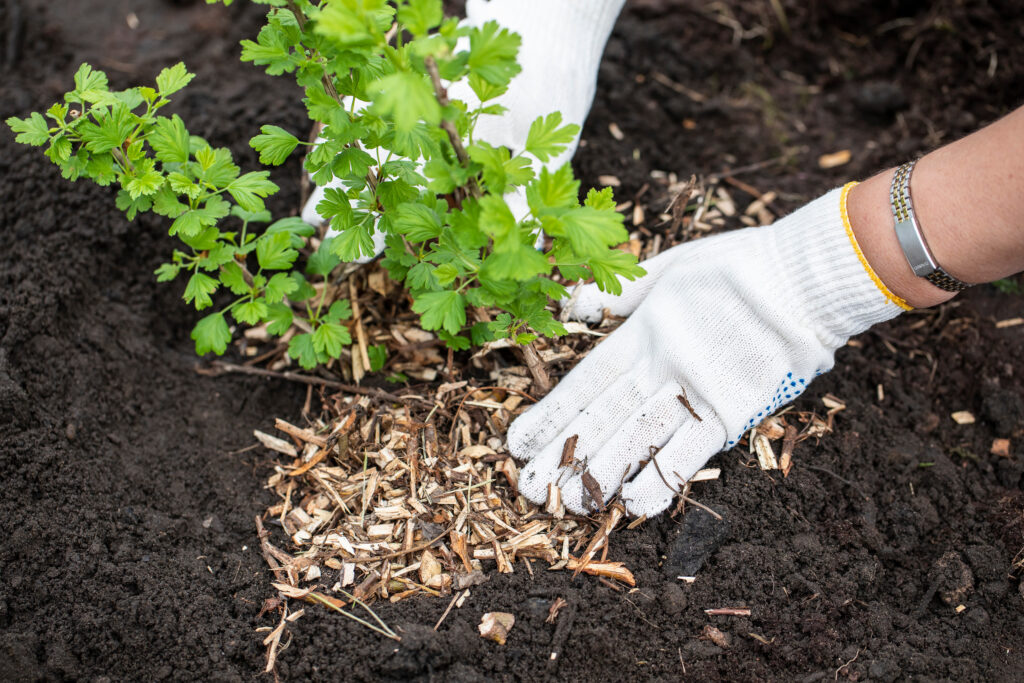
One of the worst late-fall habits is letting wet leaves and loose plant debris pile up around the base of perennials. It may look harmless, especially when everything already appears brown and tired, but that damp blanket can trap moisture against the crown of the plant. Once cold weather arrives, that soggy layer can create the kind of hidden trouble gardeners only notice when spring growth looks weak or patchy.
A quick cleanup makes a big difference. Gently pull away fallen leaves, broken stems, and rotting foliage from around the base of each plant. Use your hands or a small rake so you do not disturb shallow roots. The goal is not to make the bed look perfect. The goal is to give the plant a cleaner, drier space where pests and disease have fewer places to hide.
Forgetting That Roots Still Need Water

Many gardeners stop watering as soon as flowers fade, and that can quietly stress perennials before winter. The top of the plant may look finished for the season, but the roots can still be active in cool fall soil. Newly planted perennials, evergreens, shrubs, and young plants especially need steady moisture before the ground freezes.
This does not mean soaking the garden every day. Late fall watering should be calm and measured. If the soil is dry and rain has been scarce, give your perennials a deep drink about once a week until freezing weather locks up the ground. Moist soil helps roots enter winter in better condition, which can lead to stronger growth when spring arrives.
Cutting Everything Back Without Thinking

Sophon Nawit/Vecteezy
Fall pruning can help, but cutting every perennial to the ground is a mistake. Some plants benefit from being trimmed back after frost, especially if their foliage has become mushy, diseased, or messy. Others offer winter interest, protect the crown, or provide seed heads for birds. A one-size-fits-all approach can leave the garden looking bare and may remove natural protection.
Look at each plant before grabbing the pruners. Remove dead, diseased, or collapsed foliage first. For perennials meant to be cut back, leave a few inches above the ground rather than shaving them flat. This makes it easier to remember where the plant is in spring and reduces the risk of damaging the crown. Clean cuts and cleared debris also keep the bed from becoming a winter hideout for rot and pests.
Skipping Mulch Before the Hard Cold Arrives
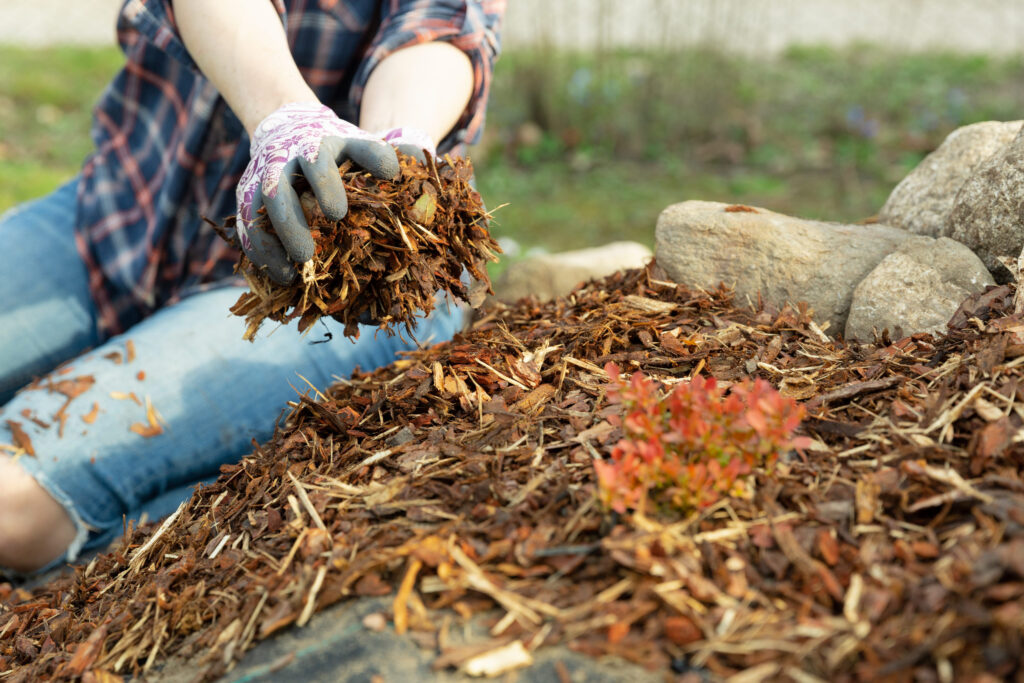
Mulch may not look exciting, but skipping it can hurt perennials during winter. The real danger is not always cold alone. Freeze-thaw cycles can push roots upward, dry out the soil, and expose tender crowns. Newer perennials are especially vulnerable because their roots have not had much time to settle deeply into the ground.
Add a protective layer after the soil has cooled, but do not bury the plant as if you were hiding evidence. A layer of mulch around three inches deep is usually helpful, especially around young or recently planted perennials. Keep it a little away from the crown so moisture does not collect directly against the plant. Shredded leaves, straw, bark mulch, or compost can help keep soil temperature steadier and protect roots from harsh swings.
Ignoring Weak Spots Until Spring
Late fall is the best time to see which plants struggled during the growing season. Maybe one clump looked crowded, one plant flopped badly, or one corner stayed too wet after rain. If you walk away without checking these clues, spring can bring the same problems back, just dressed in fresh green leaves. A healthier spring garden often starts with honest fall observation.
Take a slow walk through the beds before winter fully arrives. Look for overcrowded clumps, bare patches, diseased foliage, poor drainage, and plants that seem misplaced. You do not have to fix everything immediately, but make mental notes or take photos. That way, when spring returns, you already know which perennials may need dividing, moving, trimming, or extra care.
Conclusion
Perennials may look quiet in late fall, but the garden is not completely asleep. What you do now can shape how full, colorful, and healthy your beds look months later. Cleaning debris, watering before freeze-up, pruning with care, adding mulch, and noticing weak spots are simple steps, but they prevent many spring disappointments.
The mistake is thinking fall cleanup is only about making the yard look tidy. It is really about giving your plants a cleaner, stronger start before winter tests them. Handle these five jobs before the deep cold arrives, and your spring garden has a much better chance of coming back with energy instead of excuses.