A gym membership feels like a promise. You swipe the card, step onto the treadmill, and tell yourself this is the season you finally get stronger, healthier, and more disciplined.
Then the small costs begin to creep in.
A protein bar here. A branded water bottle there. A monthly fee for a gym you barely visit. A personal training package you did not fully understand. Before long, fitness starts looking less like self-care and more like another bill with sneakers on.
The gym can still be a smart investment. The trick is knowing which habits quietly waste money before they sabotage both your budget and your progress.
Signing Up Without Comparing Membership Prices
Many people join the first gym that looks clean, trendy, or is close enough to work. That can be a costly mistake because gyms often have different pricing structures, annual fees, cancellation rules, class access, and peak-hour restrictions.
A cheaper gym may not be cheaper once you add parking, towels, locker rentals, or paid classes. A slightly more expensive gym may offer more value if it includes free classes, showers, a pool, or flexible hours. Before signing anything, compare at least three options and calculate the real yearly cost. The best deal is not the one with the lowest monthly fee. It is the membership you will actually use.
Ignoring the Contract Before You Sign
Gym contracts can hide some unpleasant surprises. Some memberships renew automatically, require written cancellation, charge maintenance fees, or make it difficult to pause your account when life gets busy.
That quick signature at the front desk can turn into months of unwanted payments. Always ask about cancellation rules, freeze options, annual charges, and refund policies before handing over your card. A gym that makes joining easy but leaving complicated deserves a second look.
Buying Overpriced Gym Snacks and Gear

Gym counters know exactly when to tempt you. You walk out tired, hungry, and proud of yourself, and suddenly a protein shake, an energy drink, or a branded hoodie feels like a reward.
The problem is that gym merchandise is often more expensive than similar items elsewhere. A $4 protein bar may not seem like much, but buying one several times a week adds up quickly. Pack your own water bottle, towel, headphones, and post-workout snack. That small habit can save more money than most people expect.
Paying for Amenities You Never Use
Many gym members pay for far more than they use. The membership may include saunas, showers, group classes, stretching areas, pools, basketball courts, recovery zones, or beginner training sessions, but many people only use one treadmill and leave.
That means you are paying full price for half the value. Take a proper tour of your gym and ask what is included. If classes, coaching, lockers, or wellness areas are part of your plan, try them. The more included services you use, the less wasteful your membership becomes.
Skipping Free Trials Before Joining
A gym can look perfect during a five-minute tour and feel completely wrong during a real workout. Maybe it is too crowded after work. Maybe the machines you need are always taken. Maybe the locker room is not as clean as it looked at first glance.
A free trial helps you catch those problems before you commit. Try the gym during the exact time you plan to train. Check parking, equipment availability, music volume, staff behavior, and cleanliness. A trial is not just a free workout. It is a chance to avoid paying for a place that does not fit your life.
Paying for Personal Training Without a Clear Goal
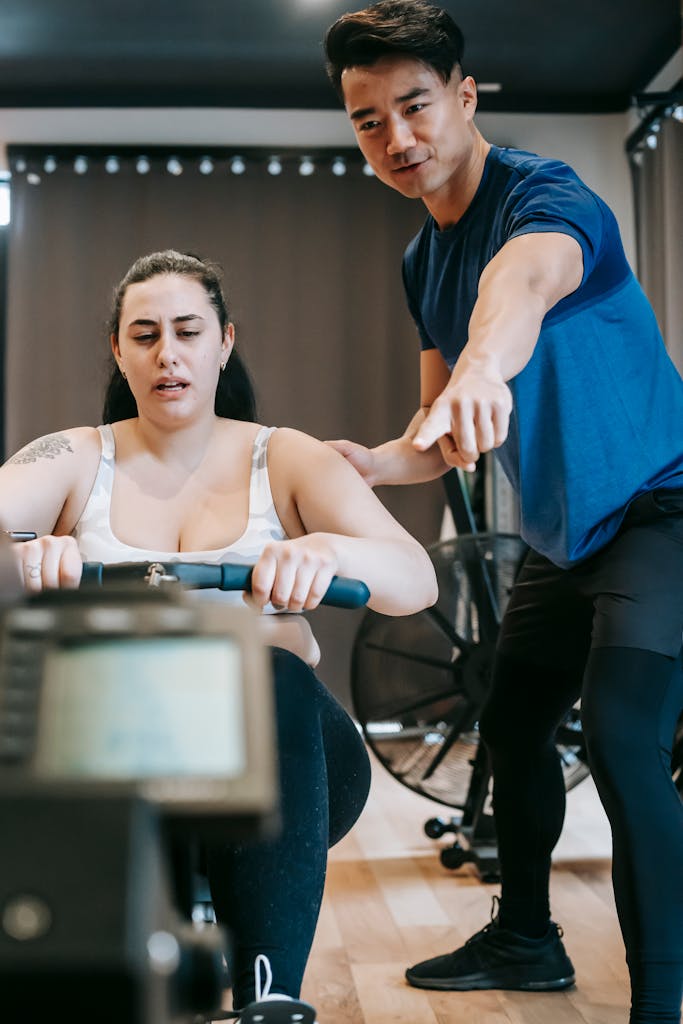
Personal training can be worth the money when it gives you structure, confidence, and safer technique. It becomes expensive when you buy sessions without knowing what you want from them.
Before paying, decide what your goal is. Maybe you want to lose weight, build strength, improve posture, learn machines, or train without pain. Ask the trainer how progress will be measured and what you should do between sessions. If every workout feels random, you may be paying for motivation instead of a real plan.
Overdoing Supplements You May Not Need
Supplements can quickly drain a fitness budget. Protein powders, pre-workouts, fat burners, greens powders, creatine blends, amino acids, and recovery drinks can make fitness feel more complicated than it needs to be.
Most people should fix the basics first. Eat enough balanced meals, drink water, sleep properly, and follow a consistent workout plan. Supplements may help in some cases, but they should solve a clear problem. If you cannot explain why you need a product, it probably does not belong in your cart.
Skipping Warmups and Cooldowns
Skipping warmups may save a few minutes, but it can cost you later. Cold muscles , stiff joints, and rushed movement can increase the risk of strains, aches, and painful setbacks.
A good warmup does not need to be dramatic. Start with light movement, mobility work, and easier versions of the exercises you plan to do. After training, slow down, stretch gently, and let your body recover. A few extra minutes can protect weeks of progress.
Using Poor Form Just to Lift Heavier

Heavy weights can feel impressive, especially in a crowded gym. But lifting more than your body can control is one of the fastest ways to turn a workout into a medical bill.
Poor form also steals results. If you swing, rush, arch, twist, or shorten every movement, the right muscles may not be doing the work. Use a weight you can control. Ask for help when needed. Record a set occasionally to check your movement. Strong form beats sloppy weight every time.
Going to the Gym Without a Plan
Walking into the gym without a plan usually leads to wasted time. You try a machine, scroll your phone, copy someone else, do a few random sets, and leave unsure whether the workout helped.
A simple plan changes everything. Know your exercises before you arrive. Track your sets, reps, and weights. Decide which days are for strength, cardio, mobility, or recovery. The gym becomes more valuable when every visit has a purpose.
Conclusion
The most costly gym mistakes are not always obvious. They hide in unused memberships, overpriced snacks, unread contracts, random workouts, unnecessary supplements, skipped warmups, and poor planning.
The good news is that these mistakes are easy to fix. Compare before joining. Read the contract. Use the amenities. Bring your own basics. Train with a plan. Protect your body.
A gym membership should make you stronger, not poorer. When you use it wisely, it becomes more than a monthly charge. It becomes one of the smartest investments you can make in your health, confidence, and everyday life.