Food supply chains are under increasing pressure, and shortages could hit sooner than many expect. Rising global demand, extreme weather events, and transportation delays are already affecting grocery stores.
Experts warn that stocking up on key items now can prevent last-minute stress and ensure your family stays fed.
Here are 10 essential items to store before shortages worsen. Each item offers long shelf life, versatility, or critical nutrients to keep your pantry resilient. Preparing ahead provides peace of mind when supply disruptions occur.
Oats

Oats are inexpensive, nutritious, and have a long shelf life. They provide fiber, protein, and slow-release energy. Oats can be used in breakfast porridges, baked goods, or even savory recipes.
Steel-cut or rolled oats store better than instant varieties for extended periods. Their versatility makes them suitable for many meal types. Oats are simple to prepare, even when other ingredients are limited.
Canned Beans
Canned beans are packed with protein, fiber, and essential minerals. They are ready to eat or can be added to stews, salads, and chili. Beans store for years, making them a perfect long-term pantry item.
Varieties like black beans, chickpeas, and kidney beans offer a range of flavors. Their high protein content supports vegetarian meals and reduces reliance on fresh meat. Having a mix of beans ensures balanced nutrition when fresh foods are limited.
Pasta
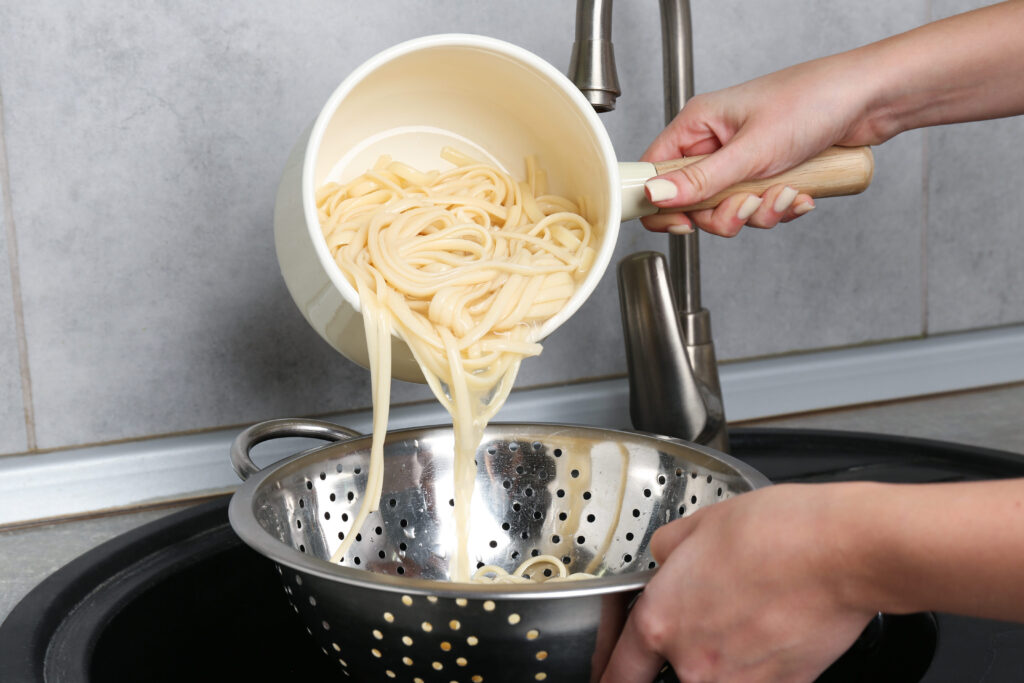
Pasta remains one of the most versatile and long-lasting staples. It cooks quickly and pairs with canned sauces, vegetables, or meats. Whole-grain pasta adds extra fiber, making meals more filling and nutritious.
Keeping multiple types, such as spaghetti, penne, and macaroni, allows for a variety of dishes. Pasta can also be stored in airtight containers to extend shelf life. It is ideal for quick meals when grocery trips are risky or limited.
Canned Vegetables
Canned vegetables provide essential vitamins and minerals even when fresh produce is unavailable. Corn, peas, carrots, and tomatoes are popular choices. They also let you add variety and color to meals without frequent trips to the grocery store.
Canning preserves nutrients and flavor for years, making them a reliable emergency food. Mixing different vegetables in soups or casseroles ensures balanced nutrition. They are convenient and require minimal preparation.
Rice
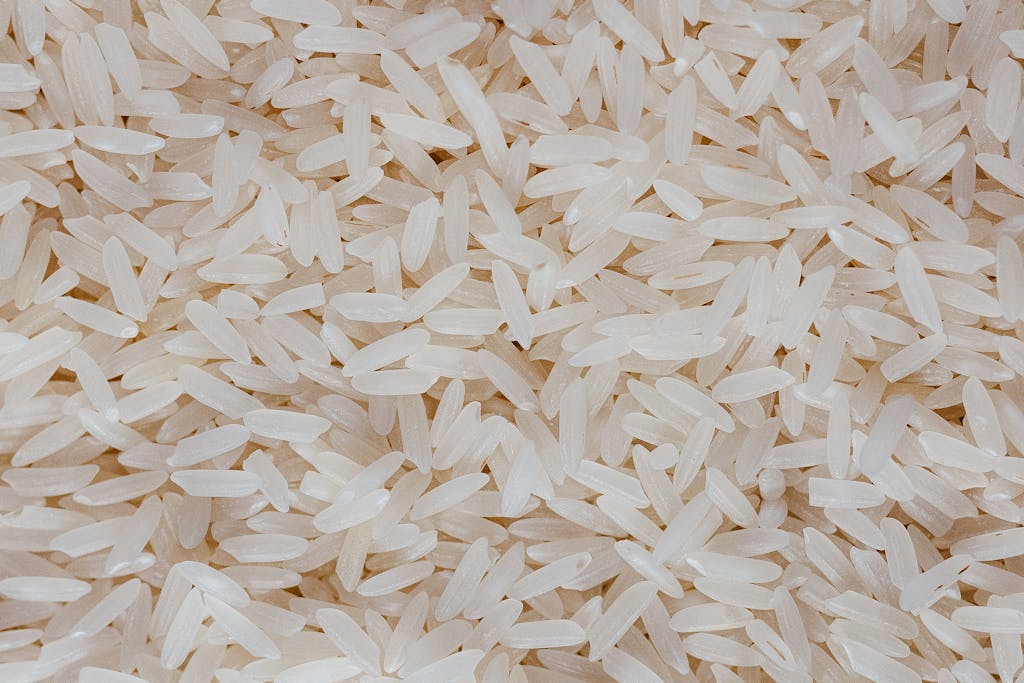
Rice is a global staple that stores exceptionally well for long periods. It can serve as a base for countless meals, from stir-fries to soups. Buying multiple bags ensures you have a reliable carbohydrate source when other grains become scarce.
Brown rice provides extra fiber and nutrients, but white rice lasts longer and is easier to cook. It is lightweight, easy to portion, and pairs with many other pantry staples. Stocking a variety keeps meals interesting and nutritious during shortages.
Peanut Butter
Peanut butter is a calorie-dense, protein-rich option that lasts a long time unopened. It pairs with bread, crackers, or fruit for a quick meal or snack. It also provides healthy fats, which are important during periods of limited food availability.
Natural or unsweetened varieties contain fewer additives and more nutrients. Peanut butter can be incorporated into sauces or baking for versatile use. Its portability and long shelf life make it an essential for an emergency pantry.
Canned Meat
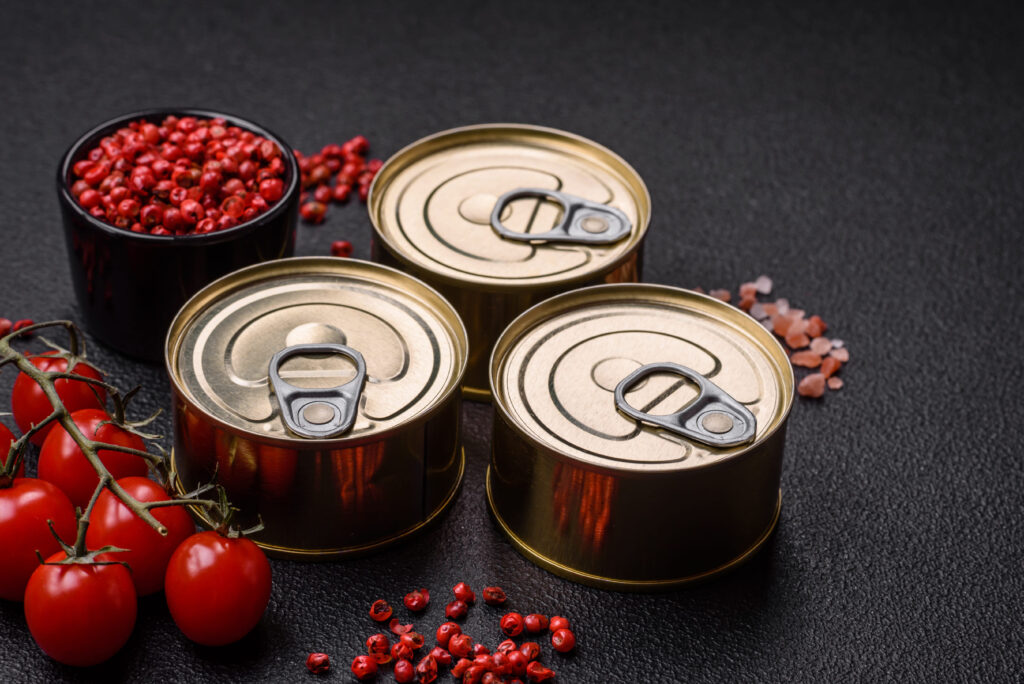
Canned chicken, tuna, and salmon offer protein without refrigeration. They last for years and can be used in sandwiches, casseroles, or salads. Canned meat ensures access to essential nutrients when fresh options are unavailable.
Tuna and salmon also provide omega-3 fatty acids for heart and brain health. Having multiple varieties allows for a variety of meals. These items are compact, easy to store, and convenient during shortages.
Cooking Oils
Oils like olive, vegetable, and canola are essential for cooking and flavor. They provide necessary fats for energy and nutrient absorption. Oils also extend the shelf life of some foods when stored properly.
Multiple types allow for different cooking techniques and recipes. Keeping enough ensures you can sauté, bake, and dress salads without compromise. Properly stored oils can last months, maintaining quality for your emergency pantry.
Powdered Milk
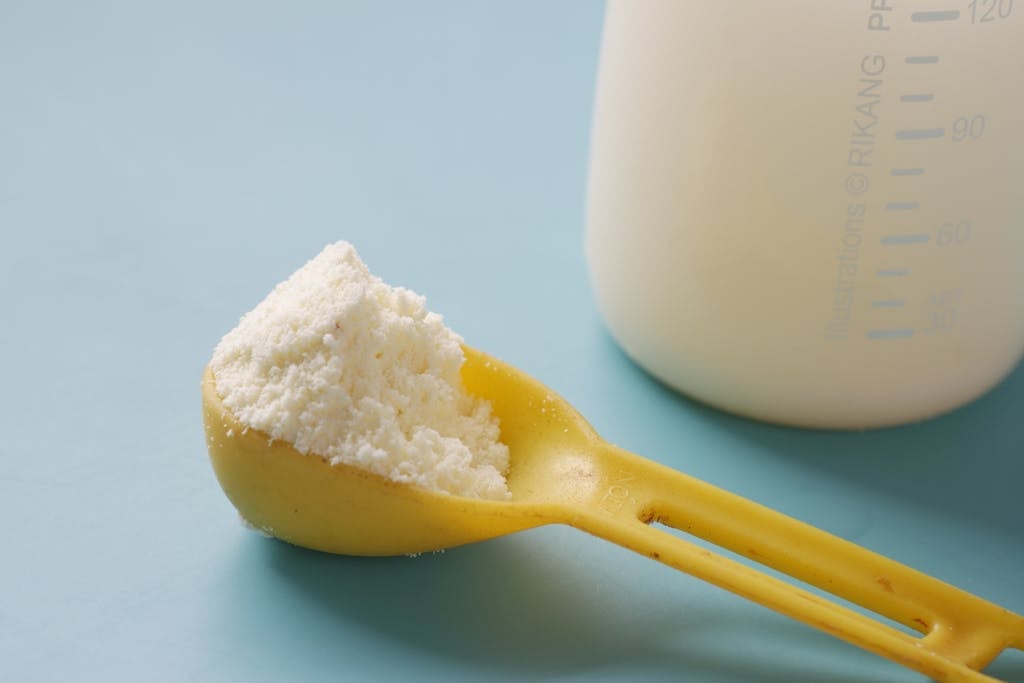
Powdered milk is a reliable dairy alternative during supply disruptions. It stores longer than fresh milk and can be reconstituted when needed. It provides protein, calcium, and essential vitamins for the whole family.
Using powdered milk in baking or cooking extends its usefulness. It is a practical option for households with children or for emergency kits. Properly stored, it can last for months without losing quality.
Frozen Fruits and Vegetables
Frozen produce retains most nutrients and is available year-round. Stocking a variety ensures access to vitamins when fresh options are limited. Smoothies, soups, or side dishes benefit from these long-lasting items.
Freezing preserves taste and nutrition, making frozen foods almost as good as fresh. They also reduce waste by allowing you to use only what you need. Having a freezer stockpile supports healthy eating during shortages.
Conclusion
Food shortages are becoming a real concern due to global pressures and logistical challenges. Stocking up on these ten essential items ensures you have nutrition, variety, and flexibility. Planning ahead reduces stress, supports health, and allows for peace of mind.
Act now to secure your pantry before shelves become empty. Preparing today safeguards meals and provides security for your family tomorrow.