Your home should feel like a sanctuary, a place where you relax, cook, and unwind. But some of the products you trust every day can quietly become dangerous. What seems harmless could suddenly turn into a hidden threat, putting your health and safety at risk without warning.
Familiarity often leads to carelessness.
Household items, from cleaners and small gadgets to medicine and heating devices, can cause serious harm if misused or ignored. Recognizing these dangers and taking simple precautions is the first step to keeping your home truly safe.
Button Batteries Can Be Deadly

Button batteries are tiny, shiny, and extremely common in toys, remotes, hearing aids, and gadgets. Kids often mistake them for candy, and swallowing one can lodge in the throat or digestive tract, causing severe burns or life-threatening injuries in minutes.
Even a single battery can cause serious internal damage. Store batteries out of reach, secure device compartments, and dispose of used batteries safely. Small, overlooked objects can carry enormous risks when children or pets are present.
Dryer Lint Can Ignite Fires
Dryer lint is fluffy, harmless-looking, and easy to ignore, but it’s highly flammable. Over time, lint builds up in the trap, vents, and behind your dryer, creating the perfect conditions for a fire. A blocked vent can trap heat, which may ignite lint in an instant.
Most people don’t think twice about a slow-drying load or a clogged vent until smoke appears. Empty the lint trap after every load, inspect vents regularly, and replace any damaged ducting. A simple habit like this can prevent a laundry day disaster.
Furniture Polish and Solvents Are Hazardous

Furniture polish, sprays, and liquid solvents often look harmless sitting in cabinets or cleaning closets. They contain chemical compounds that can irritate the skin, eyes, or lungs and can be poisonous if swallowed or inhaled in concentrated forms.
Accidental exposure is more common than most realize, especially in homes with children or pets.
Use polish in well-ventilated areas, store bottles safely out of reach, and avoid spraying near food or work surfaces.
A gleaming table should never come at the cost of a chemical risk. Attention to simple handling rules keeps your home safe and your surfaces shiny.
Extension Cords Can Become Fire Hazards
Extension cords are everywhere in modern homes, powering computers, TVs, holiday lights, and home office setups. The danger begins when temporary cords become permanent solutions, running under rugs, behind furniture, or through crowded power strips.
Overloaded or damaged cords can overheat and ignite quickly.
A cord that feels warm to the touch, shows fraying, or emits sparks should be replaced immediately.
Always use cords as intended, never cover them, and avoid daisy-chaining multiple cords together. Convenience shouldn’t come at the cost of safety.
Bleach Can Turn Toxic in Seconds
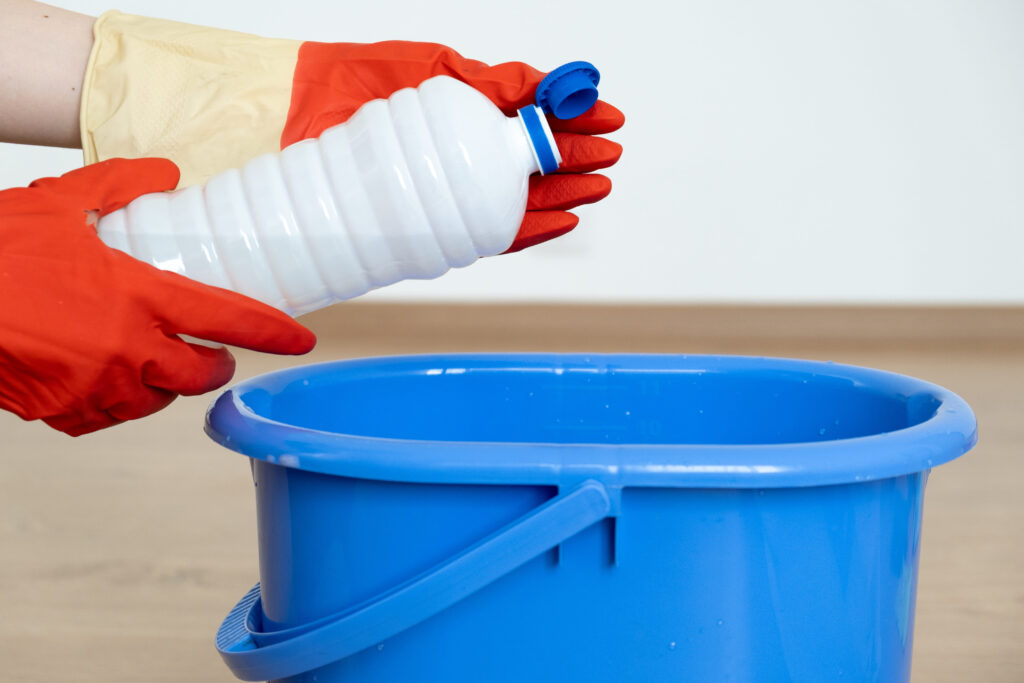
Bleach is a go-to cleaner for bathrooms, kitchens, and laundry, thanks to its strong disinfecting power. It’s safe when used as directed, but mixing bleach with other chemicals, such as ammonia, vinegar, or toilet cleaners, can produce highly toxic fumes.
Exposure can cause coughing, nausea, eye irritation, and breathing problems in seconds.
Even experienced cleaners make this mistake. The safest approach is to use bleach alone, dilute it according to instructions, and keep windows open whenever possible.
One careless moment can turn a sparkling bathroom into a serious health hazard.
Space Heaters Can Start Fires
Space heaters feel like a quick fix for cold rooms, offering instant warmth without heating the entire house. They are convenient but can be dangerous when placed too close to flammable objects such as bedding, curtains, rugs, or furniture.
A tipped heater or prolonged contact with combustible materials can ignite a blaze in seconds.
To stay safe, keep heaters on flat, stable surfaces, maintain clear space around them, and turn them off when leaving the room or sleeping. Even short, unattended use can turn comfort into chaos in an instant.
Painkillers Can Damage Your Liver
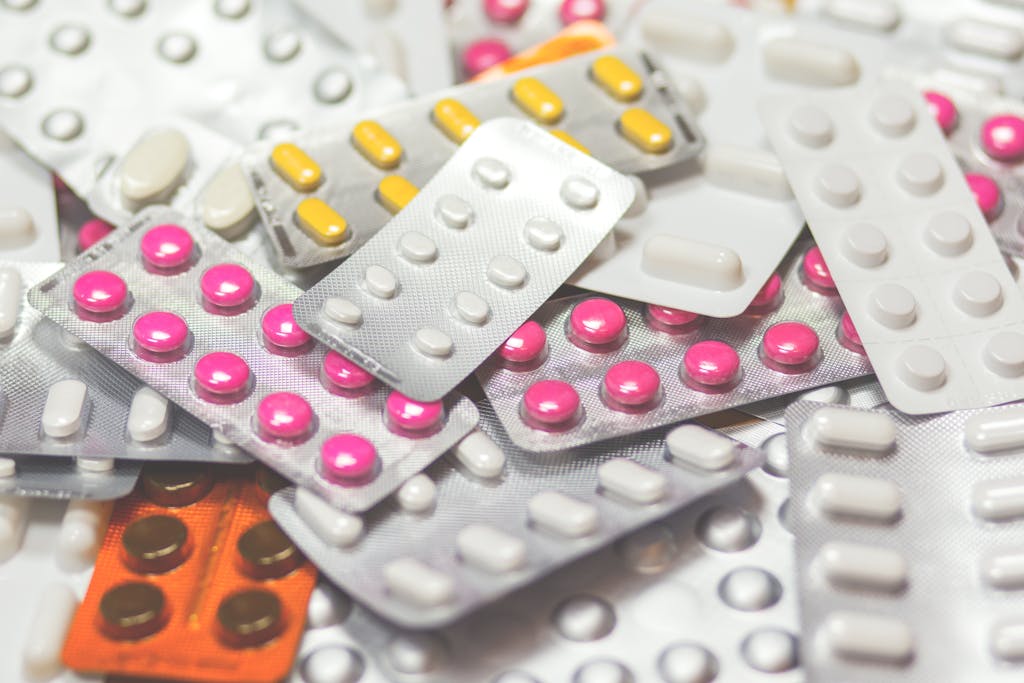
Over-the-counter painkillers like acetaminophen seem harmless because they sit on pharmacy shelves and medicine cabinets alike. But many products, such as pain relievers, cold medicine, and sleep aids, contain the same active ingredient.
Taking multiple doses without checking can overload your liver over time.
The danger is silent at first, with no immediate symptoms, but repeated overdoses can cause lasting damage.
Carefully check the ingredients of every product you take, including combination medicines, and track your total daily intake. Using medicine responsibly is the only way to avoid turning relief into a risk.
Conclusion
The most dangerous household items are the ones we trust the most. Bleach, painkillers, dryer lint, extension cords, small batteries, heaters, and chemical sprays all carry hidden hazards that can cause serious injury if ignored.
Simple habits like reading labels, storing items safely, cleaning vents, and monitoring usage can prevent accidents. Familiarity should never replace caution, because even ordinary products can quickly turn deadly.