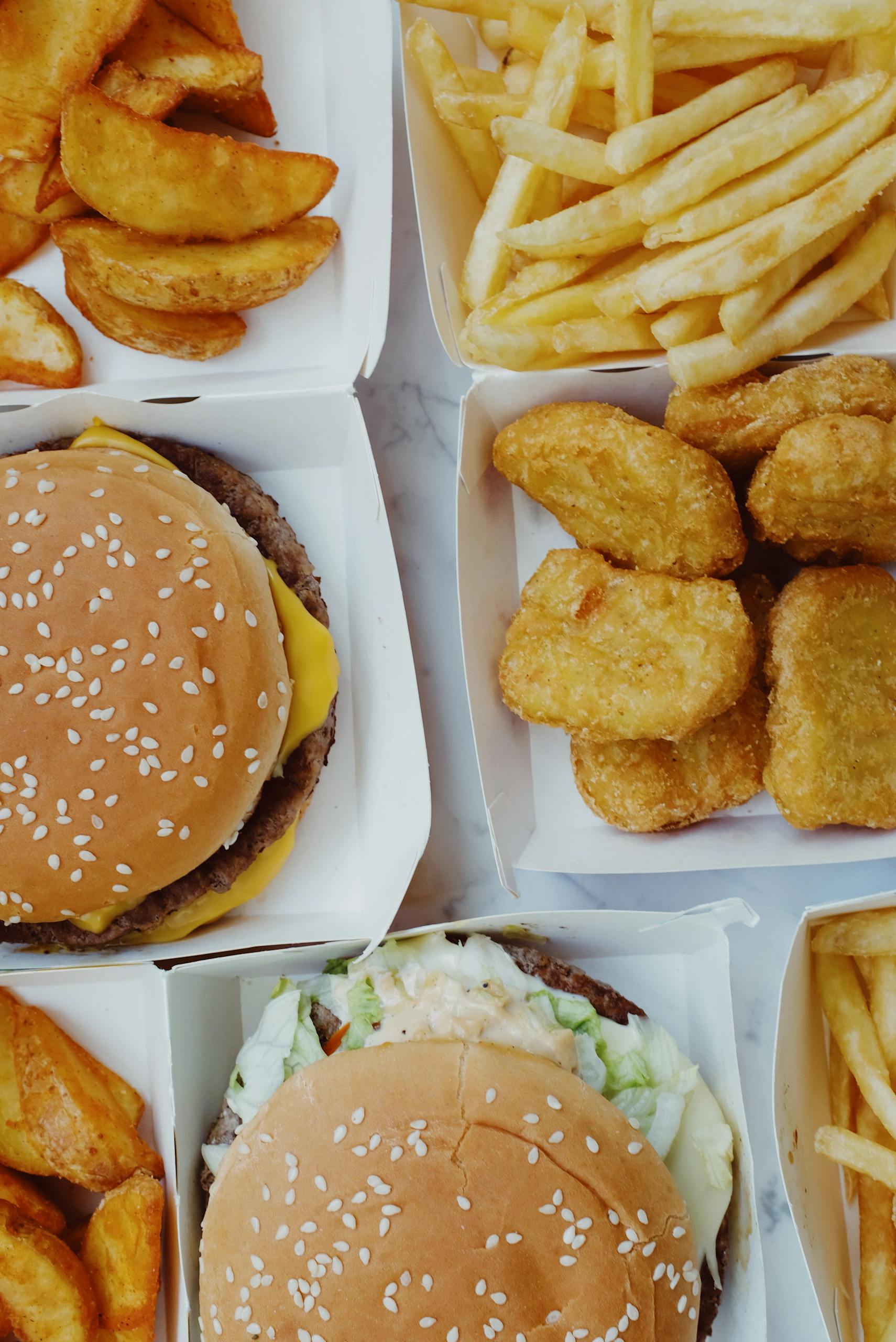
Eating out should feel easy, not like a guessing game with our stomachs. Still, some menu choices carry more risk than others because they depend on strict temperature control, clean prep areas, fast service, and careful handling. The CDC estimates that 48 million Americans get sick from foodborne illness each year, with 128,000 hospitalizations and 3,000 deaths, so restaurant food safety is not a tiny issue hiding in the margins.
We do not need to fear every restaurant meal. We need to spot foods that become risky when they are raw, undercooked, unpasteurized, poorly chilled, or held too long. The FDA Food Code serves as a national model for food safety in restaurants and retail food service, but diners still make better choices when they understand the danger signs before ordering.
Raw Oysters and Raw Shellfish
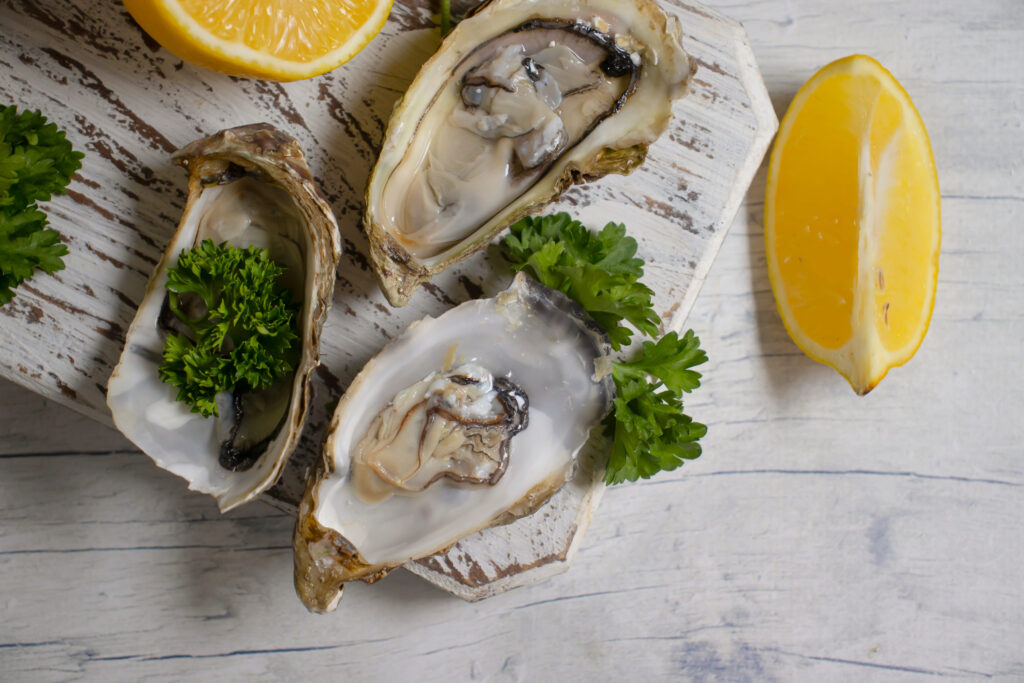
Raw oysters may look classy on a crushed ice platter, but they are one of the riskiest foods we can order in a restaurant. The problem is not always poor restaurant hygiene. Oysters filter water, and harmful germs such as Vibrio can concentrate inside their tissues before they ever reach the kitchen. The CDC warns that an oyster carrying harmful germs may look, smell, and taste normal, which means freshness alone cannot protect us.
We should be especially cautious when eating raw oysters in warm weather, in coastal areas, or at restaurants that cannot clearly explain their sourcing and handling practices. Cooking is a reliable safety step. Lemon juice, hot sauce, and alcohol do not kill Vibrio, so the old bar-counter tricks are not food-safety tools. People with liver disease, diabetes, cancer, weakened immune systems, or reduced stomach acid face a higher risk from Vibrio infections.
Rare Burgers and Undercooked Ground Beef
A rare steak and a rare burger are not the same food safety situation. Whole cuts of beef usually carry most bacteria on the surface, where heat can reach them more easily. Ground beef is different because grinding can mix surface bacteria throughout the meat. That is why burgers need a higher internal temperature than steaks.
We should avoid burgers that arrive cool in the center, visibly raw, or mushy inside. FoodSafety.gov lists 160°F as the safe minimum internal temperature for ground meat and sausage. Color is not enough because a burger can brown before it reaches a safe temperature, and some cooked burgers can still look pink. The safer move is simple: order burgers cooked through, especially at casual spots, fairs, food trucks, and late-night kitchens with heavy rushes.
Pink Chicken And Undercooked Poultry
Chicken is one of the most common restaurant comfort foods, but undercooked poultry is a hard pass. Fried chicken that is still pink near the bone, grilled chicken with a rubbery center, or wings that look cooked on the outside but raw on the inside should be sent back immediately. The CDC states that raw chicken can contain germs such as Campylobacter, Salmonella, and Clostridium perfringens.
We should never treat undercooked chicken as a small quality issue. Poultry must reach 165°F, and the CDC advises diners to send back restaurant chicken for additional cooking if it does not look fully cooked. This matters even more with thick chicken breasts, stuffed chicken, bone-in cuts, and rushed fried batches. Crispy breading does not prove that the inside reached a safe temperature.
Runny Egg Dishes And Unpasteurized Egg Sauces
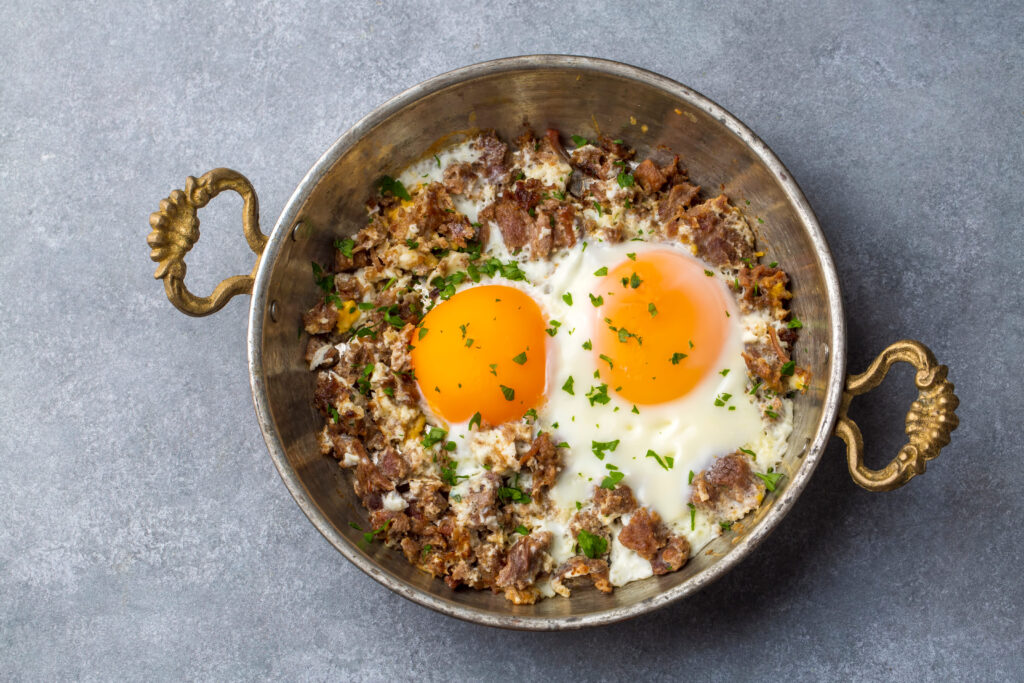
Runny eggs can feel harmless because they are everywhere on brunch menus. The risk rises when eggs are undercooked or mixed into sauces and desserts that never reach a safe temperature. Caesar dressing, hollandaise, custards, mousse, tiramisu, and some house-made mayonnaise can contain raw or undercooked eggs. The CDC specifically advises diners to ask restaurants if pasteurized eggs are used in dishes such as Caesar dressing, custards, tiramisu, and hollandaise sauce.
We do not have to avoid every egg dish. We should avoid egg-based foods when the restaurant cannot say if pasteurized eggs are used. This matters for older adults, young children, pregnant women, and people with weakened immune systems, who face a higher risk of serious illness from food poisoning. Safer choices include fully cooked eggs, firm yolks and whites, pasteurized egg sauces, and hot egg dishes cooked to proper internal temperatures.
Raw Sprouts In Sandwiches, Bowls, And Noodle Dishes
Raw sprouts look clean, crunchy, and healthy, but they can harbor germs because they grow in warm, moist conditions that also favor bacterial growth. Alfalfa sprouts, bean sprouts, clover sprouts, and radish sprouts often appear in sandwiches, salads, pho, ramen, wraps, and grain bowls. The CDC lists raw or undercooked sprouts as a riskier choice and recommends cooked sprouts until steaming hot as the safer option.
We should be careful with sprouts because rinsing does not always remove bacteria that may be inside or tightly attached to the sprout. A restaurant can wash them and still serve a risky garnish. If we love the crunch, we can ask for cucumbers, cabbage, pickled vegetables, or cooked sprouts instead. The safer habit is simple: raw sprouts should be the first topping we remove when eating out at places where food safety practices are unclear.
Lukewarm Buffet Food
Buffets look generous, but they can turn risky when hot foods stop being hot and cold foods stop being cold. The CDC advises diners to avoid lukewarm food and to make sure hot food is served hot and cold food is served cold, including at buffets and salad bars. Proper temperatures slow the growth of germs.
We should avoid trays of rice, pasta, meatballs, eggs, seafood, gravy, casseroles, and cream sauces that look like they have been sitting for too long. Steam is a good sign for hot food. Ice, chilled pans, and frequent replacement are good signs for cold food. A buffet with dirty serving spoons, mixed utensils, dried edges, or slow turnover is not worth the gamble.
Salad Bar Greens That Look Tired Or Mishandled
Salads can be a smart restaurant choice, but self-service salad bars create extra risk when many hands, shared utensils, and exposed ingredients meet weak temperature control. Leafy greens are eaten raw, so there is no need to cook them to kill germs. The CDC identifies unwashed fresh fruits and vegetables, including lettuce and leafy greens, as riskier choices.
We should avoid salad greens that look wilted, slimy, or warm, or that are piled in deep containers that are not properly chilled. We should also watch for tongs dropped into multiple bins, dressing spills across ingredients, and customers reaching over food. A freshly prepared salad from the kitchen is often safer than a tired self-service bar, especially at busy chains, hotel breakfasts, airports, and all-day buffets.
Cut Melon and Fruit Cups Left Sitting Out

Fruit seems like the safest item on the menu, but cut fruit needs careful handling. Melon is especially risky once sliced, as the protective rind is removed, leaving the moist flesh vulnerable to bacterial growth. The CDC lists cut melon left out for more than 2 hours, or for 1 hour at temperatures above 90°F, as a riskier choice.
We should avoid fruit cups, brunch platters, and buffet melon that sit at room temperature. This is especially important in outdoor cafés, hotel breakfast lines, catered events, and summer buffets. Safer fruit should be freshly cut, refrigerated, or served properly chilled. Whole fruit with an intact peel is usually a better choice when the restaurant’s cold holding looks weak.
Raw Sushi, Sashimi, Poke, And Ceviche From Low Turnover Spots
Raw fish dishes depend on sourcing, freezing practices, cold storage, skilled handling, and fast turnover. Sushi, sashimi, poke, and ceviche can be excellent at a serious seafood restaurant. They can also become risky at a low-traffic buffet, gas station cooler, discount lunch counter, or any place where raw fish sits too long.
The CDC lists raw or undercooked fish and shellfish, including sashimi, sushi, and ceviche, as riskier choices. Safer seafood should be cooked to 145°F or until the fish is opaque and separates easily with a fork, while shellfish should be cooked until shells open or the flesh becomes pearly or white and opaque.
Unpasteurized Juice, Cider, Milk, And Soft Cheese
Farmhouse branding can make unpasteurized drinks and dairy sound wholesome, but raw milk, unpasteurized cider, and soft cheeses made from raw milk can carry harmful germs. The CDC lists unpasteurized juice, cider, raw milk, and dairy products made from raw milk as riskier choices. It also names soft cheeses made from unpasteurized milk, including queso fresco, brie, camembert, and blue-veined cheese, as riskier options.
We should choose pasteurized juice, pasteurized dairy products, and soft cheeses clearly labeled as made from pasteurized milk. This matters at brunch spots, farmers market cafés, boutique cheese boards, juice bars, and restaurants that promote raw or “natural” dairy. Pasteurization is not a marketing detail. It is a safety measure that helps reduce the risk of dangerous bacteria.
Cold Deli Meats From Questionable Counters
Cold deli meats can be risky for people in higher-risk groups, especially when meats sit in display cases, slicers are not cleaned thoroughly, or prepared sandwiches are held too long. The issue is not that every turkey sandwich is dangerous. The issue is that ready-to-eat meats can pick up contamination after cooking, and there may be no reheating step before we eat them.
We should be careful with cold sandwiches at places with low turnover, messy counters, old-looking meats, or unclear refrigeration. Hot sandwiches are often safer because reheating adds another safety barrier. For people who are pregnant, older, immunocompromised, or medically fragile, we should choose deli meats heated until steaming rather than cold from the case.
Creamy Salads From Buffets And Outdoor Events
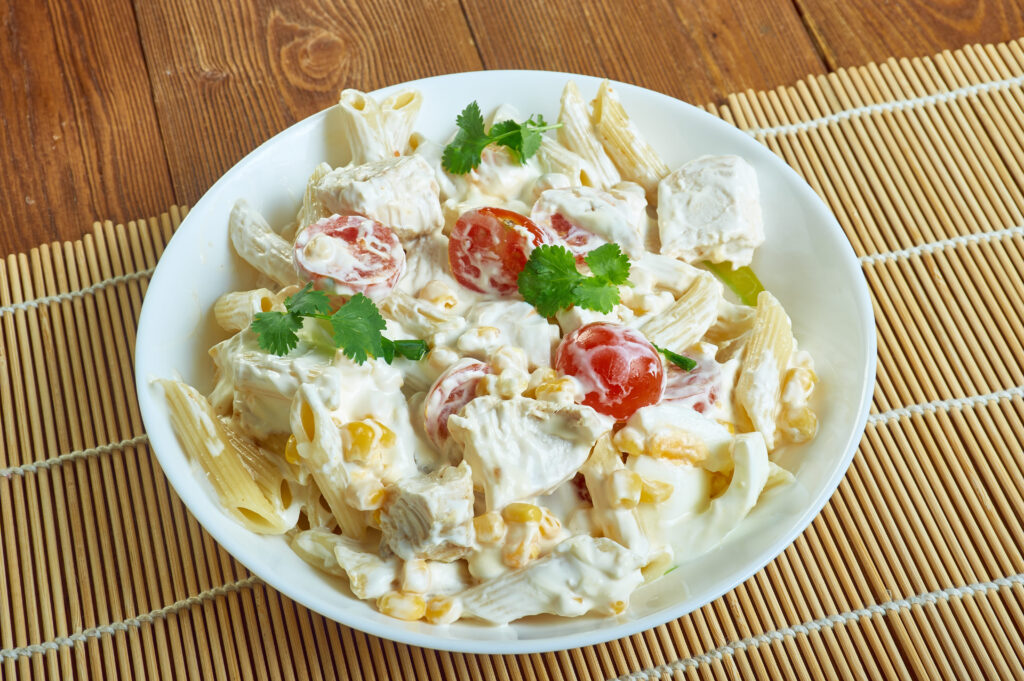
Potato salad, egg salad, tuna salad, chicken salad, pasta salad, and coleslaw can be perfectly safe when kept cold. They become risky when they sit out, especially in large bowls or shallow trays that warm quickly. Foods containing eggs, seafood, poultry, cooked pasta, and dairy need strict cold holding.
We should avoid creamy salads at picnics, brunch buffets, catered tables, and salad bars when they are not sitting on ice or in a chilled unit. A glossy, separated, watery, crusted, or warm-looking salad should be skipped. The same rule applies to dips and spreads. If a cold dish is not clearly cold, we should choose something else.
Rice, Noodles, And Pasta That Are Warm But Not Hot
Rice, noodles, and pasta can create problems when cooked ahead, cooled poorly, and held at lukewarm temperatures. These foods often sit in deep pans, steam tables, buffet trays, or takeout containers. The danger is not the grain itself. The danger is time plus temperature.
We should avoid fried rice, lo mein, pasta bakes, rice bowls, and noodle trays that look warm rather than hot. FoodSafety.gov explains that bacteria can grow rapidly between 40°F and 140°F, often called the danger zone. Hot foods should stay hot, and cold foods should stay cold.
Foods From Dirty Shared Fryers
For most diners, fried foods are more of a nutrition concern than a food poisoning concern. For people with food allergies, shared fryers can be a serious hidden risk. Fish, shellfish, wheat, milk, eggs, soy, sesame, peanuts, and tree nuts can move through shared oil, baskets, tongs, trays, and prep surfaces.
The FDA recognizes nine major food allergens in the United States: milk, eggs, fish, crustacean shellfish, tree nuts, peanuts, wheat, soybeans, and sesame. The FDA also notes that many foods served at retail or food-service establishments after a customer order do not fall under the same packaged-food labeling rules. For diners with allergies, FARE explains that cross-contact can occur when allergen proteins transfer between foods, and that cooking does not eliminate that risk.
Foods From Restaurants With Poor Cleanliness Signals
Some danger signs are bigger than any single menu item. Sticky tables, dirty bathrooms, overflowing trash, careless glove use, pests, sour smells, and employees handling money and food without washing their hands all point to a weak food safety culture. We should pay attention before ordering raw or lightly cooked foods at places that display these signs.
The CDC’s core food safety steps are clean, separate, cook, and chill. Raw meat, poultry, seafood, and eggs can spread germs to ready-to-eat foods when they are not kept separate. A restaurant that cannot maintain basic cleanliness should not get our trust on high-risk foods such as oysters, rare meat, raw salads, sushi, or creamy buffet dishes.