Long drives should be about open roads, scenic views, and the excitement of a new destination. Instead, one bad food choice can turn a smooth trip into a smelly, sticky, uncomfortable ordeal. Crumbs in every crevice, strong odors that make passengers gag, and stomach issues that hit at the worst possible moment; these are the real hazards of road trip snacking.
Eating smart on the road isn’t about gourmet meals. It’s about survival. A single ill-considered snack can make even a short drive miserable for everyone in the car. From greasy fast food to pungent seafood, here are the 12 worst road trip foods and practical swaps that keep the ride smooth, comfortable, and stress-free.
Greasy Fast Food That Makes You Sluggish and Distracted
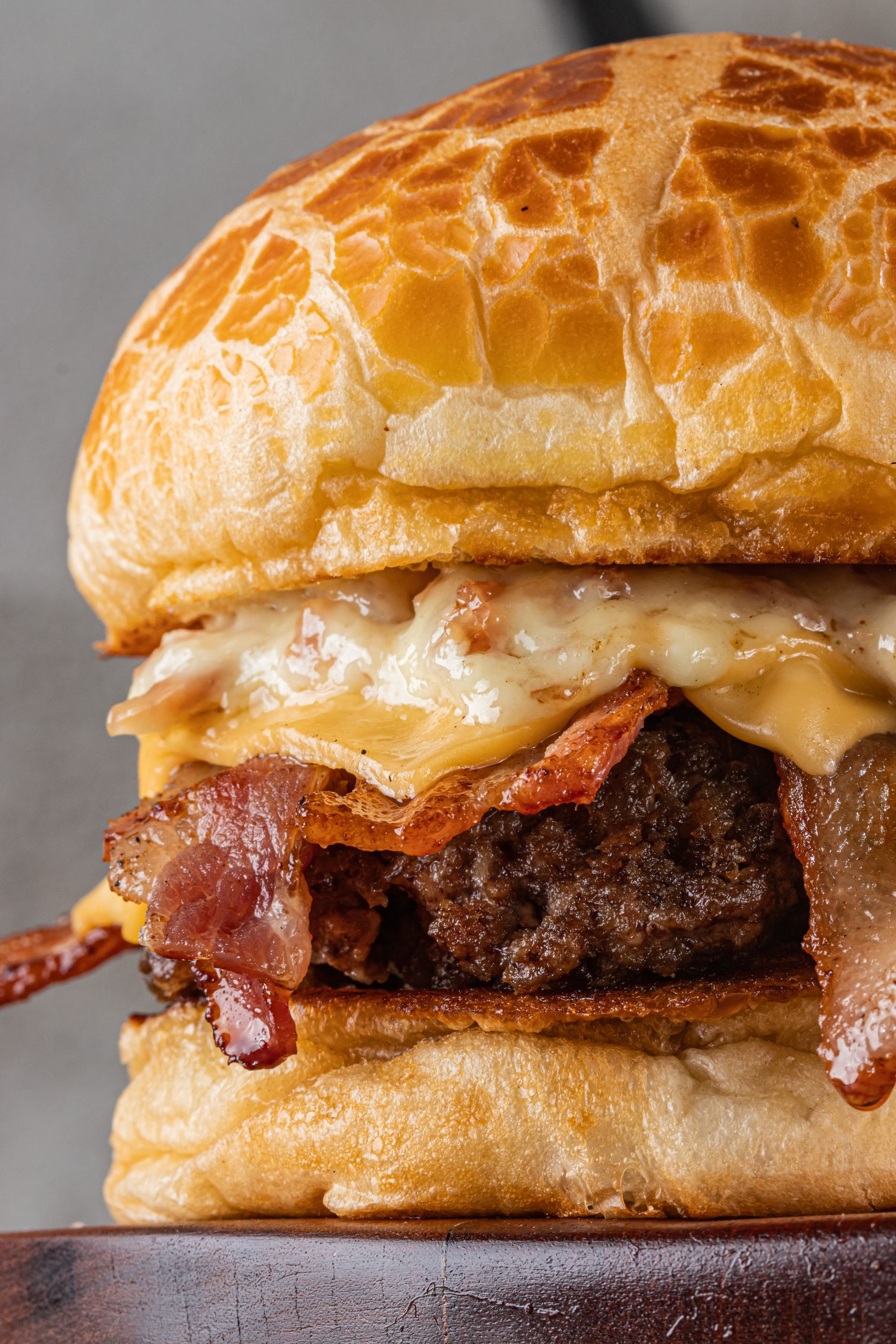
Burgers, fried chicken, and loaded breakfast sandwiches may feel like classic road trip staples, but they come with hidden risks. Heavy, fatty meals take hours to digest, making you feel sluggish. That mid-drive fatigue can be dangerous, especially on long stretches of highway where alertness is critical.
Mess is another major problem. Wrappers and sauces drip onto laps, consoles, and seats, creating distractions at the exact moment when the driver needs to focus. The smarter choice is lighter, portable meals that won’t weigh you down. Try grilled chicken wraps, turkey sandwiches, bananas, or roasted nuts. Fast food should be eaten at a stop where you can stretch, clean up, and avoid greasy laps in the car.
Crumbly Pastries That Spread Chaos Everywhere
Croissants, muffins, cookies, biscuits, and flaky breakfast pastries are notoriously messy. One bite can send crumbs into every crack of the car seats, floor mats, and even seat belts. These tiny messes add up fast, making the car feel like it hosted a bakery explosion.
Crumbs aren’t just annoying, they’re distracting. A driver brushing crumbs off clothes or the steering wheel is taking their attention off the road. For a cleaner ride, choose granola bars, string cheese, apple slices, or seedless mandarin snacks that stay contained and don’t scatter.
Soggy Sandwiches That Turn Lunch Into a Lap Disaster
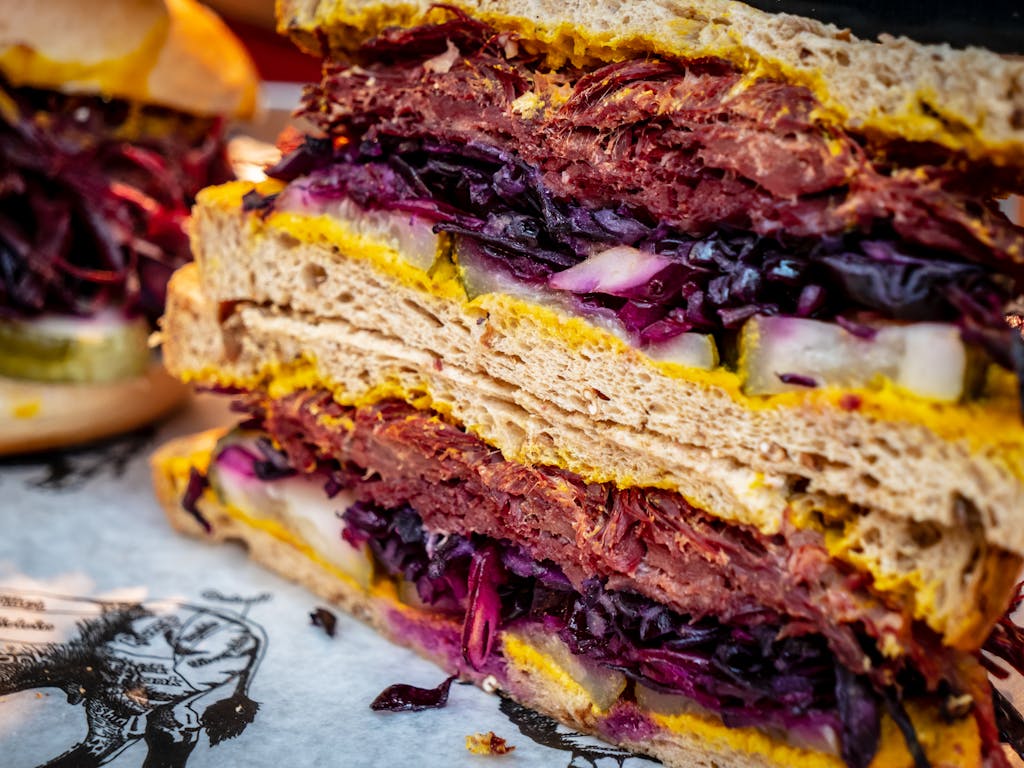
Sandwiches loaded with tomatoes, mayo, sauces, or melted cheese are prone to collapsing in transit. Once the bread gets soggy, every bite risks a drip, smear, or sticky hand incident that can ruin clothes and seats.
The best road trip sandwiches are firm, simple, and easy to hold. Turkey and hard cheese on whole-grain bread, PB&J, or hummus with pita wedges packed separately work well. Cutting sandwiches into quarters also helps minimize mess and allows passengers to eat easily without distraction.
Spoon-Required Foods That Spill at the Worst Moments
Yogurt cups, soup, chili, ice cream, and cereal bowls are high-risk foods in a moving vehicle. One pothole or a sudden brake can send the contents flying onto clothes, seats, or even electronics.
Cleanup is another issue. Dairy spills can sour quickly, soup stains can soak into upholstery, and ice cream can leave a sticky residue. Safer alternatives include drinkable yogurt, trail mix, cheese cubes, or pre-portioned snacks that require no utensils.
Pungent Foods That Make the Car Unbearable

Tuna, boiled eggs, garlic-heavy meals, onion-packed sandwiches, strong cheeses, and fermented foods like kimchi can take over the cabin in an instant. Confined spaces amplify odors, making everyone miserable and sometimes triggering nausea or headaches.
If you must pack protein, opt for mild options such as turkey roll-ups, mild cheese, apples, pretzels, or roasted chickpeas in sealed bags. Avoid anything that can dominate the car’s atmosphere or upset sensitive stomachs.
High-Fiber Foods That Cause Bloating and Discomfort
Beans, lentils, broccoli, cabbage, cauliflower, bran-heavy snacks, and large portions of seeds are healthy, but on the road, they can become a digestive nightmare. Fiber-rich foods may cause gas, bloating, or cramping, which can become uncomfortable when sitting for hours.
Better road trip options include bananas, peeled oranges, plain toast, peanut butter sandwiches, rice cakes, and small portions of nuts. Eating moderate fiber and sticking to familiar foods helps prevent unexpected pit stops.
Spicy Foods That Trigger Stomach Chaos

Tacos loaded with hot sauce, spicy burritos, fiery wings, or chili-heavy meals can lead to heartburn, indigestion, or urgent bathroom trips. Road trip seats are no place for stomach emergencies.
Stick to mild wraps, lightly seasoned crackers, or familiar protein bars to prevent gastrointestinal surprises. Save spice-filled adventures for dinner once you reach your destination.
Super Salty Snacks That Make You Thirsty and Bloated
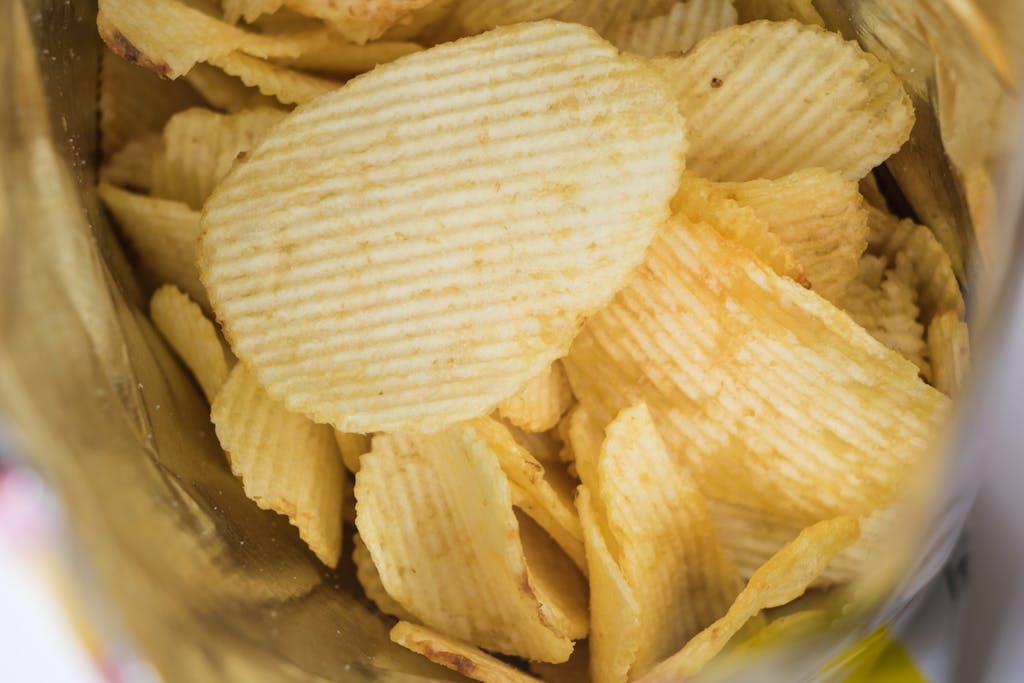
Chips, salted pretzels, cured meats, cheese crackers, and popcorn may seem harmless, but excess salt can cause dehydration, increased thirst, and more bathroom breaks. Long drives make sitting with bloating and discomfort especially unpleasant.
Safer choices include unsalted nuts, lightly salted pretzels, fresh fruit, or portioned trail mix. Keeping hydration in balance is just as important as the snack itself.
New or Exotic Foods Can Backfire Quickly
Trying a strange, jerky flavor, mystery convenience-store snack, or exotic dish on the road is a gamble. Unknown ingredients can trigger allergies, nausea, or digestive upset in unfamiliar settings.
Always stick to foods your body already tolerates. Familiar snacks such as bananas, apples, granola bars, or simple sandwiches prevent surprises and keep the ride comfortable.
Dairy Left in the Car Becomes a Safety Issue
Milk, soft cheeses, yogurt, creamy dips, and deli salads can spoil quickly if not stored properly. Warm temperatures in a car accelerate bacterial growth, turning innocent-looking snacks into health hazards.
When dairy or other perishable foods are necessary, use a well-packed cooler with ice packs, keep it out of direct sunlight, and access it sparingly to maintain safe temperatures.
Sticky Sweets Create a Messy Environment
Candy, glazed donuts, caramel popcorn, chocolate-covered fruit, and sticky fruit snacks leave residues on fingers, seats, and electronics. Sugar spikes can also lead to energy crashes, leaving passengers grumpy mid-drive.
Better options include dark chocolate squares, fresh fruit, oat bars, or small homemade snack bags with nuts and cereal.
Fizzy Drinks Cause Bloating and Risk of Spills
Soda, sparkling water, energy drinks, and other carbonated beverages can cause gas and bloating, increasing the risk of spills. Open cans are especially dangerous in cup holders and can ruin seats if shaken.
Opt for still water, diluted juice, or unsweetened iced tea in a resealable bottle. Hydration should aid comfort, not cause mid-drive digestive distress.
Conclusion
Long drives should feel adventurous, not miserable. Bad food choices can distract drivers, upset stomachs, leave messes, and create tension. The key to a stress-free road trip is clean, mild, familiar snacks that are easy to hold, store, and eat. Pack fruits, trail mix, cheese cubes, simple sandwiches, and enough water, and the miles will feel shorter. Smart snacking makes the car calmer, passengers happier, and the journey as enjoyable as the destination.