Sleeping With the Bedspread Pulled Up

That decorative bedspread may make the room look polished, but it is not always treated like the sheets and pillowcases.
Hotels usually change the bedding that touches your body directly, but heavier top covers may not be cleaned after every guest
. That means the pretty layer at the foot of the bed could carry more history than you want near your face.
The safer move is simple. Fold the bedspread away, place it on a chair, and use the sheets or a clean blanket instead. It takes a few seconds, but it can make your room feel less questionable.
A hotel bed should help you rest, not make you wonder who sat there last night with airport clothes and takeout fries.
Touching the Remote Without Wiping It

The hotel remote is one of those small things everybody touches, and almost nobody thinks about.
Guests use it with snack fingers, tired hands, and sometimes right after coming in from public places. Even in a well-kept room, a remote can be overlooked because it blends into the furniture like a harmless little gadget.
Keep a disinfecting wipe in your bag and give it a quick clean before you scroll through channels. You can also place it in a small plastic bag for an extra layer between your hand and the buttons.
It may sound dramatic until you remember how many strangers have pressed that same volume button before you.
Walking Barefoot on the Carpet
Hotel carpet has a tough life. It catches suitcase wheels, outdoor dirt, spilled drinks, crumbs, and whatever guests track in from hallways, sidewalks, pools, airports, and parking lots.
Even when the room looks tidy, the carpet is not always deep-cleaned between guests, especially during busy travel seasons.
Pack slippers, flip flops, or even thick socks you don’t mind washing later. This is one of the easiest hotel room mistakes to avoid because it requires almost no effort.
Your feet stay cleaner, your bed stays cleaner, and you don’t have to experience the unpleasant mystery of stepping on a sticky patch near the desk.
Putting Your Suitcase on the Bed

A suitcase may look innocent, but it has probably touched airport floors, rideshare trunks, public bathrooms, sidewalks, train platforms, and baggage claim belts.
Placing it on the bed brings that whole dirty travel story straight onto the sheets. It can also increase the chance of moving pests or grime onto the place where you sleep.
Use the luggage rack, a hard chair, a desk, or a tiled entry area instead. Before unpacking fully, check the mattress area and corners for anything unusual.
Keeping luggage off soft surfaces is a small habit that protects both your clothes and your sleeping space. The bed is for resting, not for hosting everything your suitcase collected along the way.
Leaving Valuables in Plain Sight
A hotel room can feel private, but it is still a shared building with staff access, maintenance needs, and occasional mistakes. Leaving cash, passports, jewelry, electronics, or important cards on the desk is an unnecessary gamble
. Most hotel workers are honest, but valuables left in plain sight can still create risk.
Use the safe for passports, backup cards, jewelry, and extra cash. If you use the safe, place one shoe beside it or leave yourself a phone reminder so you don’t forget anything at checkout. If the item is too important to lose, don’t let it sit casually near the coffee maker while you leave for dinner.
Using Hotel Glasses Without Washing Them
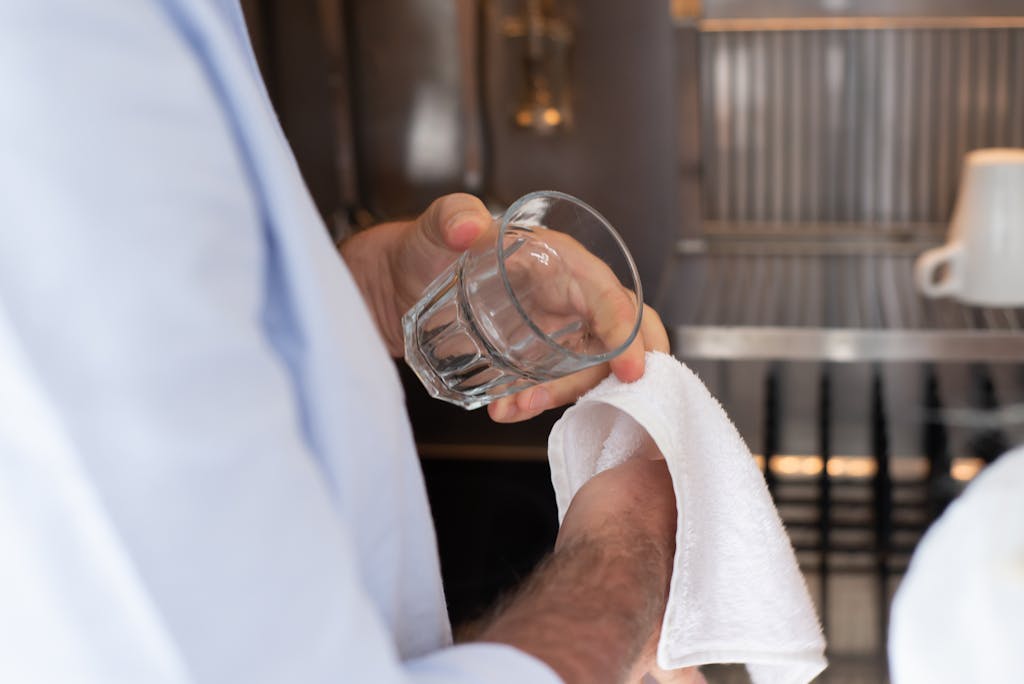
Those glasses beside the sink or coffee station can look sparkling, but appearance does not always prove they were properly washed
. Sometimes glasses are replaced, and sometimes they may only be rinsed or wiped quickly. After a long travel day, most guests reach for water without thinking twice.
Wash cups and glasses with hot water and soap before using them. If the room has wrapped disposable cups, those may feel like a cleaner choice.
This does not mean every hotel glass is filthy, but it does mean travelers should not trust shine alone. Clear glass can still hide a cleaning shortcut.
Trusting the Room Coffee Maker Too Quickly
A hotel coffee maker feels like a blessing when you wake up tired, but it deserves a second look before you use it. Water tanks, trays, and hidden corners can hold old moisture, stale coffee smell, or residue from previous guests.
Since these machines are small and easy to overlook, they may not get the same attention as the bathroom or bed.
Run a plain hot water cycle before making coffee. Check for old pods, leftover grounds, or anything that looks neglected.
If the machine smells strange, skip it and get coffee from the lobby or a nearby cafe. Morning caffeine should not come with a side of doubt.
Ignoring the Door Lock at Night
The first thing many travelers do after entering a hotel room is drop their bags. The first thing they should do is lock the door properly.
The deadbolt, swing latch, or security bar adds an extra layer of protection, especially at night or in a busy hotel where room mix-ups can happen.
Always check that the door closes fully behind you. Use the peephole before opening the door, even if someone claims to be hotel staff. If a visit seems unexpected, call the front desk before letting anyone in.
Good hotel safety is not about fear. It is about making sure your room feels like your space.
Sneaking in Pets or Extra Guests

Trying to bend hotel rules can get expensive fast. Sneaking in a pet, adding extra guests without notice, or ignoring occupancy rules may result in fees, cleaning charges, eviction, or a ban on future stays.
It can also create problems for staff and future guests, especially when allergies, noise, or room damage are involved.
Be honest with the hotel before booking. Many places offer pet-friendly rooms, family rooms, or clear upgrade options. Asking ahead may cost less than getting caught later.
A hotel stay is much smoother when the front desk knows what to expect, and you are not spending the night trying to hide a barking dog under a blanket.
Treating the Room Like There Are No Consequences
Some travelers act as if a hotel room exists outside normal life. They smoke in non-smoking rooms, leave trash everywhere, stain carpets, take towels, damage furniture, or ignore spills until checkout. Then they act surprised when cleaning fees or damage charges appear on the bill.
A hotel room is temporary, but your name is still attached to the reservation. Report spills, avoid taking anything that is not clearly complimentary, and leave the room in reasonable condition.
You don’t have to deep clean before leaving, but basic respect goes a long way. The best hotel guests enjoy the room without making someone else pay for the mess.