Heat waves are becoming increasingly common, and the risks they pose extend far beyond discomfort. Failing to respect the extreme temperatures can lead to dehydration, heat exhaustion, and serious long-term health issues. Understanding what to avoid is crucial for staying safe and keeping loved ones protected during scorching summer days. Here are 10 critical mistakes to avoid when temperatures soar.
Pushing Your Body Beyond Its Limits in the Heat

Exercising or working outdoors during a heat wave without adjusting your routine can be life-threatening. High temperatures increase the risk of heat exhaustion, heat cramps, and heat stroke. Even a short jog in direct sun can push your body past its cooling capacity. Experts recommend rescheduling strenuous activities to early mornings or evenings, wearing breathable fabrics, and keeping hydrated.
Using shade, portable fans, or cooling towels can help your body regulate temperature. Breaks in air-conditioned environments are essential to prevent overheating and avoid hospital visits. Ignoring these precautions can transform a simple workout into a medical emergency.
Overconsuming Alcohol While It’s Hot
Alcohol and heat are a dangerous combination. Drinking excessively during a heat wave accelerates dehydration and impairs your body’s ability to regulate temperature. Alcohol dilates blood vessels, causing blood pressure drops and worsening heat-related symptoms. Even moderate drinking increases the risk of heat cramps, fatigue, and dizziness.
Always balance any alcoholic beverage with plenty of water, and avoid consuming alcohol during peak heat hours. Heat can intensify hangovers and place added stress on your cardiovascular system. By moderating consumption, you protect both hydration levels and overall well-being.
Neglecting Proper Hydration
Underestimating your water needs during high temperatures is a common and dangerous error. Even mild dehydration can trigger headaches, dizziness, and fatigue. When outdoors, sipping water regularly, even before feeling thirsty, is essential to maintain electrolyte balance. Sports drinks can help replace lost salts if you are sweating heavily.
Avoid caffeinated and sugary drinks early in the day, as they can worsen dehydration. Setting reminders or carrying a refillable water bottle can ensure consistent hydration. Failing to drink enough water during prolonged heat exposure increases the risk of serious heat-related illnesses.
Leaving Children or Pets in a Hot Vehicle

A parked car can reach deadly temperatures within minutes. Leaving children, elderly adults, or pets inside a vehicle during a heat wave is extremely dangerous. Interior temperatures can exceed outside temperatures by 20–30°F within ten minutes, causing rapid heat stroke.
Always check the back seat before leaving a vehicle, and never assume a short errand is safe. Proper ventilation and shade alone are insufficient to prevent overheating. Carry portable cooling items, such as water bottles and sunshades, when traveling with vulnerable passengers. This precaution is non-negotiable, as countless fatalities occur each year from hot car exposure.
Wearing Dark or Restrictive Clothing

Clothing choices during extreme heat directly affect your body’s ability to cool itself. Dark colors absorb more heat, while tight fabrics restrict airflow and prevent sweat from evaporating. Opt for loose-fitting garments made from natural fibers like cotton or linen. Wide-brimmed hats provide additional protection against direct sun exposure, reducing the risk of sunstroke.
Moisture-wicking fabrics can improve comfort during outdoor activities. Choosing appropriate clothing helps maintain your body’s natural cooling mechanisms. Overlooking this simple adjustment significantly increases the likelihood of overheating.
Avoiding Air Conditioning at All Costs
Some people try to tough it out without air conditioning, which can be hazardous during a prolonged heat wave. Air conditioning significantly reduces heat stress and prevents dehydration-related complications. Even a short break in a cooled environment can help regulate core body temperature.
If home AC is unavailable or fails, public places like malls, libraries, or community centers offer safe alternatives. Using fans alone is not sufficient during extreme heat. Regular exposure to cool indoor spaces is essential to avoid heat stroke and exhaustion. Ignoring this increases both physical stress and cardiovascular risk.
Forgetting to Check on Vulnerable Neighbors
Heat waves disproportionately affect the elderly, those with chronic illnesses, and socially isolated individuals. Not checking on neighbors or family members can result in preventable emergencies. Ensure they have access to water, air conditioning, and a shaded resting area.
Offering assistance or encouraging regular check-ins can be life-saving during prolonged heat. Community vigilance also helps mitigate risks during power outages. A simple visit or phone call can prevent severe dehydration or heat stroke in vulnerable populations. Neglecting this responsibility can have fatal consequences during extreme temperatures.
Ignoring Pet Safety During High Temperatures
Pets are extremely susceptible to heat, and many owners underestimate the risks. Dogs and cats can suffer from hyperthermia, burns on hot pavement, and severe dehydration. Provide constant access to cool, shaded areas and fresh water. Avoid walking pets on asphalt during midday; even brief contact can damage paws.
Watch for early signs of heat stress, including excessive panting, drooling, and lethargy. Certain breeds with flat faces or thick coats are particularly at risk. Prioritizing pet safety ensures their well-being and prevents emergency veterinary visits.
Overlooking Early Warning Signs of Heat Illness
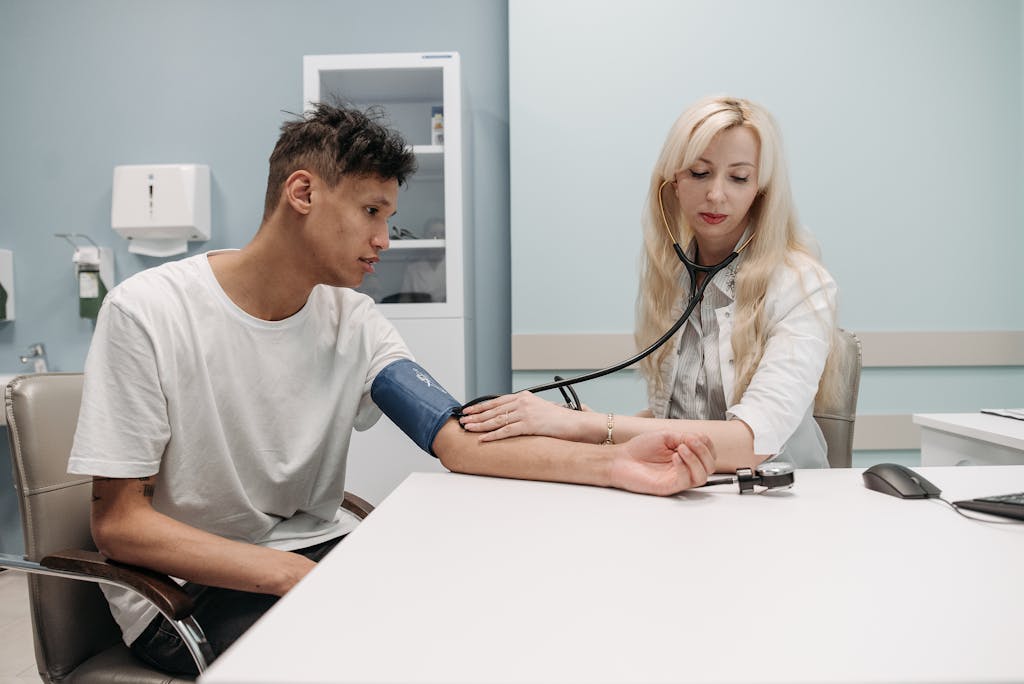
Recognizing heat-related symptoms early is vital for preventing serious medical emergencies. Headache, dizziness, nausea, fatigue, and profuse sweating are warning signs that should not be ignored. More severe indicators include rapid pulse, confusion, and muscle cramps, which may signal heat stroke.
Immediate cooling measures, hydration, and medical attention are required in advanced cases. Educating yourself and those around you about these symptoms increases survival chances. Ignoring warning signs can rapidly escalate a manageable condition into a life-threatening emergency.
Skipping Sun Protection Measures
UV exposure intensifies during heat waves, compounding risks to skin and overall health. Failing to apply sunscreen, wear protective clothing, or seek shade increases the likelihood of sunburn and long-term skin damage. Sunscreens with broad-spectrum SPF should be applied liberally and reapplied every two hours outdoors.
Sunglasses and wide-brimmed hats provide additional defense against UV radiation. Combining sun safety with hydration and cooling strategies maximizes protection during extreme heat. Neglecting sun protection multiplies health risks and accelerates skin aging and disease.