For a few tense hours, the world appeared to be staring at another dangerous turn in the Middle East.
President Donald Trump had signaled that fresh U.S. strikes against Iran were on the table. Then, almost as quickly as the threat had landed, the planned attack was called off. The decision sent a jolt through global politics, energy markets, and online debate, where many Americans immediately began asking the same uncomfortable question: was this restraint, strategy, pressure, or another sign of how fragile the moment has become?
The cancellation does not end the crisis. It may only move it into a new and more uncertain stage.
A sudden pause after a dangerous buildup
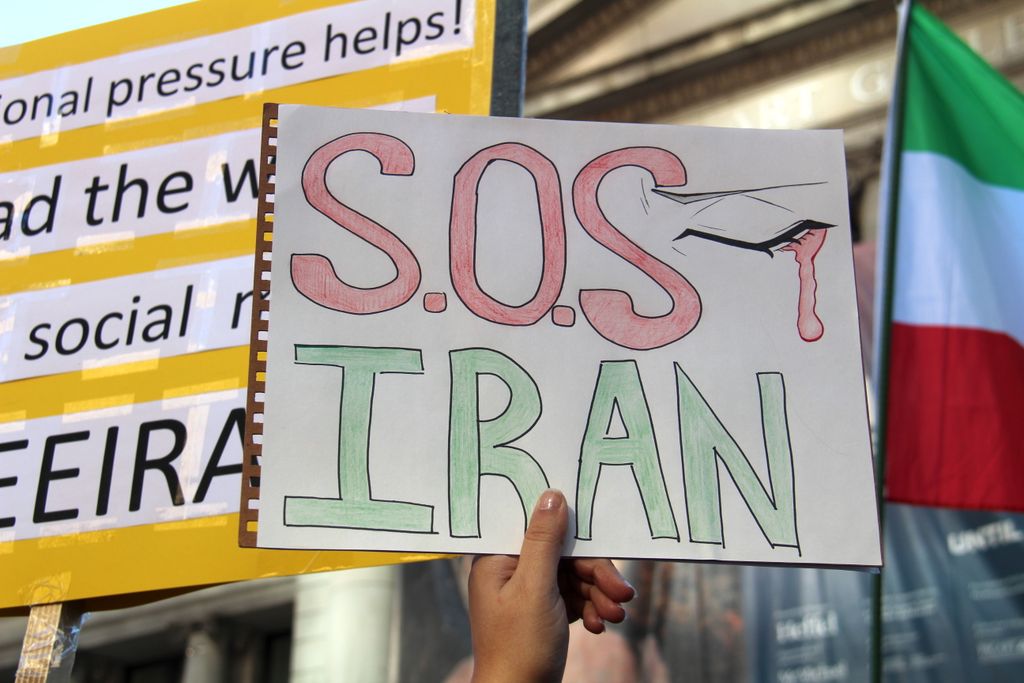
According to Reuters reporting, Trump said the United States and Iran could be close to signing a peace deal, possibly within days. That announcement came after planned military strikes against Iran were canceled, with the administration pointing to progress in high-level talks.
For American families watching from far away, the story may sound like another foreign policy headline. But the stakes are not distant. A wider conflict with Iran could affect gas prices, military deployments, inflation, shipping lanes, and the safety of U.S. personnel in the region.
The Strait of Hormuz remains one of the most sensitive pressure points in the world economy. When tensions rise there, the effects can move quickly from diplomatic rooms to gas pumps, grocery bills, and retirement accounts.
Why this move matters for the U.S.
The most important part of the story is not simply that strikes were canceled. It is that the cancellation happened while the U.S. was still trying to project strength.
That creates a complicated picture. Supporters may see the decision as a smart pause that gives diplomacy room to work. Critics may see it as a public reversal after a dramatic threat. Others may argue that the administration is using military pressure to force movement at the negotiating table.
All three readings can exist at the same time. In foreign policy, a canceled strike can be both a sign of restraint and a warning that the situation came dangerously close to escalation.
The claim about the peace deal still needs caution.
Trump said a settlement could be near, but that does not mean the crisis is solved. The Guardian reported that the Iranian leadership had not immediately confirmed Trump’s claim, and Iranian-linked media urged caution until Tehran itself announces any understanding.
That matters because Middle East diplomacy often moves through public statements, private messages, and competing signals. A claim from Washington can lift markets and calm nerves, but it does not become a lasting agreement until the other side formally accepts it and the terms are clear.
For readers, the keyword is not peace. The keyword is if. If a deal is signed, the Strait of Hormuz opens fully, both sides stop retaliating, and regional powers accept the terms, the world could be looking at a real diplomatic turn.
The naval blockade keeps the pressure alive.
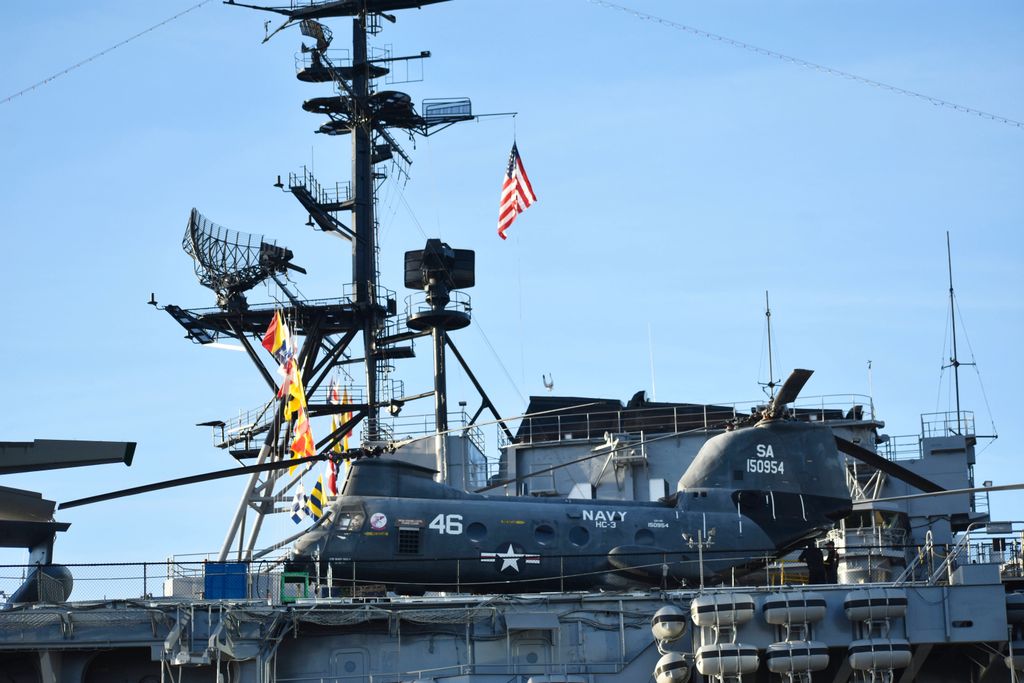
Even with the strikes canceled, Trump said the naval blockade would remain in place until the agreement is finalized. That means the U.S. is not fully stepping back. It is pausing one kind of military action while keeping another form of pressure active.
This is where the story becomes bigger than one canceled attack. A blockade can shape shipping, oil movement, insurance costs, and regional military risk. It can also keep Iran under pressure while negotiators try to close the remaining gaps.
For Americans, that means the relief may be real but incomplete. The immediate fear of a new strike may fade, while the broader risk of confrontation remains alive.
Markets reacted because money hates uncertainty.
Reuters reported that oil prices fell and stocks rose after the strike cancellation. That response makes sense. Markets often react fast when a major military risk appears to shrink.
But that does not mean investors believe the crisis is over. It means they are pricing in a lower chance of immediate escalation. If talks break down, if Iran rejects the framework, or if there is another attack in the Gulf, that optimism could shift again.
This is why ordinary Americans should pay attention. Energy markets do not stay inside trading screens. They can shape the cost of commuting, flying, heating, shipping, and food distribution.
The Reddit reaction shows deeper public distrust.
The Reddit thread around the report quickly turned skeptical, with several users focusing on markets, timing, and possible financial motives. Those comments should not be treated as proof of wrongdoing, but they do reveal something important about the public mood.
Many Americans no longer view major geopolitical announcements as purely diplomatic events. They also see them through the lens of stocks, oil prices, political theater, and who may benefit from sudden market movement.
That distrust is now part of the story. Even when leaders frame decisions as national security choices, the public often asks who knew first, who gained, and whether the country is being pulled through a crisis honestly.
The old Trump-Iran pattern is back in focus.
This is not the first time Trump has stepped back from striking Iran after a major escalation. During his first term, he said he stopped a planned strike after being told about the possible death toll.
That history gives this new moment extra political weight. To some voters, it reinforces an image of Trump as someone willing to threaten force but reluctant to start a full war. To others, it raises concerns about brinkmanship and unpredictable decision-making.
Either way, the pattern is familiar: maximum public pressure, dramatic military language, last-minute restraint, and a claim that a better deal is within reach.
What could happen next?
The next few days may matter more than the canceled strike itself. If negotiators produce a signed agreement, Trump could present the decision as a major foreign policy win. If talks collapse, critics may argue that the cancellation only delayed another confrontation.
The biggest signs to watch are simple. Does Iran formally confirm the framework? Does shipping through the Strait of Hormuz normalize? Does the blockade end? Do oil prices keep falling? Do U.S. officials release more details about what Iran agreed to give up?
Until those answers arrive, the story remains unfinished.
Why Americans should keep watching
It is easy to treat news from Iran as a faraway conflict, but this moment reaches directly into American life. Military families watch for deployment risks. Drivers watch gas prices. Investors watch market swings. Voters watch how much power a president uses when the country edges toward war.
The canceled strikes may have lowered the temperature for now. But they also exposed how quickly a president’s words can move markets, shake allies, alarm families, and change the global mood.
For now, the missiles have not flown. The harder question is whether diplomacy can move fast enough to keep them grounded.