A war that began as a show of force is now becoming a question that every American household can understand. Who pays when Washington calls $200 billion a small price?
President Donald Trump has defended the massive Iran war funding push as necessary to keep the U.S. military strong in a dangerous world. But for many Americans already dealing with high rent, costly groceries, expensive insurance, and credit card debt, the phrase small price may sound disconnected from daily life.
The reported request has opened a new fight in Washington. It is no longer only about Iran, missiles, or military readiness. It is also about whether taxpayers are being asked to bankroll another open-ended conflict without a clear answer on how long it will last, what victory would look like, or what the final cost could be.
A Huge War Request Lands at the Worst Possible Time

The Pentagon’s reported $200 billion request comes as Americans are still watching every dollar. Families are stretching paychecks, renters are delaying moves, and many workers are asking why basic life feels more expensive even when politicians promise relief.
That is why the size of the request has become so politically explosive. In Washington, $200 billion can sound like another line in a defense package. In a household budget, it sounds like money that could have gone toward housing, health care, schools, roads, debt relief, disaster recovery, or lower borrowing costs.
The administration argues that the funding is needed to replenish munitions and maintain military strength. Supporters say the U.S. cannot afford weakness in the Middle East or anywhere else. Critics say the country also cannot afford a blank check war with unclear limits.
The Phrase That Could Haunt the Debate
Trump’s description of the money as a small price to pay may become the sentence that follows this funding fight everywhere. It gives opponents a simple argument. If $200 billion is small, what counts as large?
For supporters, the phrase reflects a national security mindset. They argue that military weakness can invite bigger dangers later. They see the money as an investment in deterrence, readiness, and global power.
For critics, the phrase sounds like a warning sign. It suggests that the war could expand before the public gets a full accounting. It also risks making ordinary voters feel as if their financial pressures are invisible to those making the decisions.
Congress Is Not Being Asked for Pocket Change
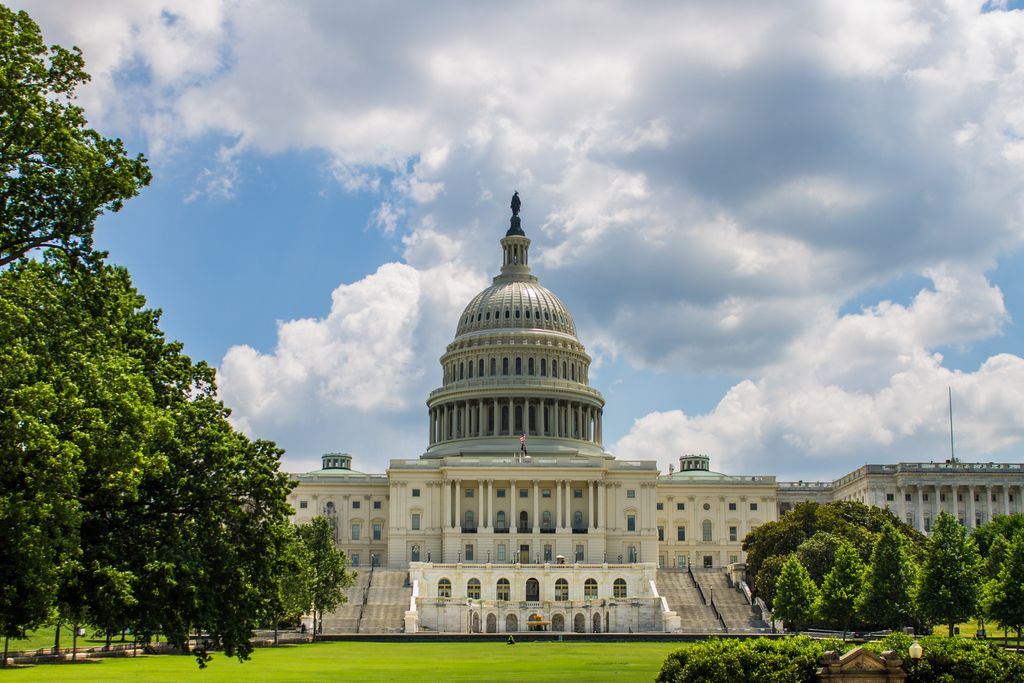
The funding request has drawn skepticism from both parties because the number is too large to pass quietly. Lawmakers want details on how the money would be spent, how much has already been spent, and whether the administration has a concrete plan beyond continuing military pressure.
That concern matters because war funding often grows once a conflict begins. Initial costs can focus on strikes, weapons, deployments, logistics, and emergency readiness. Later costs can include replacement systems, long-term troop presence, medical care, regional security commitments, interest payments, and future defense contracts.
This is where the debate becomes more than partisan theater. If Congress approves a huge package without firm limits, it could give the administration room to continue or widen operations. If Congress blocks or trims the request, it risks being accused of weakening the military during an active conflict.
The War Cost Is Becoming a Kitchen Table Issue
Most Americans do not follow every defense hearing. But they understand tradeoffs. They know that when the federal government spends at this scale, the money has to come from somewhere.
That can mean more borrowing, more pressure on the deficit, or cuts elsewhere. It can also deepen voter frustration when leaders say there is not enough money for domestic needs but seem able to find enormous sums for foreign military operations.
The political danger for Trump is that the Iran war may stop looking like a distant foreign policy issue. It could become a household budget story. Voters may start asking why Washington can move quickly for missiles but slowly for medical bills, housing costs, school repairs, veterans services, or disaster aid.
The Military Readiness Argument Is Real

The administration’s strongest argument is that the U.S. military needs to restock and prepare. Modern warfare burns through missiles, interceptors, drones, aircraft parts, and precision weapons at a frightening pace.
Defense officials have warned for years that the U.S. industrial base is under strain. Production lines can be slow. Some systems take years to replace. A major conflict in the Middle East, combined with other global threats, can expose how quickly stockpiles shrink.
That does not make the $200 billion request easy to swallow. But it does explain why defense leaders are asking for far more than the immediate cost of strikes. They are not only funding what has already happened. They are trying to prepare for what might happen next.
The Missing Question Is How This Ends
The biggest weakness in the administration’s case is not simply the price tag. It is the uncertainty around the endpoint.
Americans have seen this pattern before. A conflict begins with urgent language. Leaders promise strength, speed, and control. Then the mission expands, costs rise, and the public is told that leaving too soon would be dangerous.
That is why critics are demanding a clearer explanation. What are the exact goals in Iran? What would count as success? How long will U.S. forces remain engaged? What would prevent another request after this one?
Without those answers, $200 billion does not feel like a final bill. It feels like a down payment.
Why This Could Become a 2026 Political Flashpoint
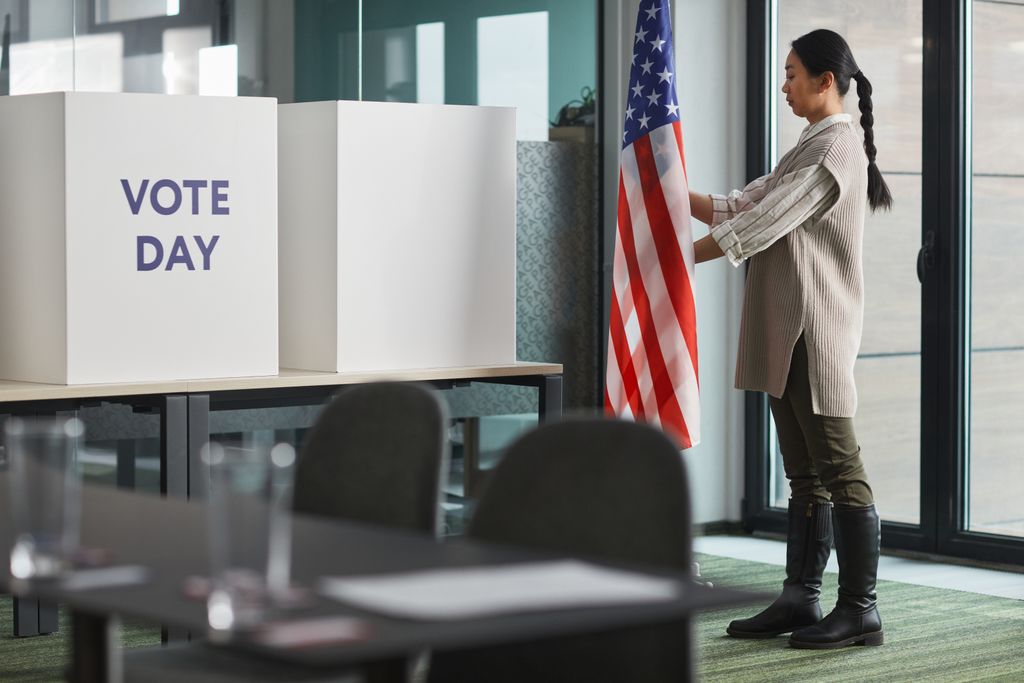
The timing makes the issue even more sensitive. With voters already anxious about the economy, a massive war-funding request gives both parties something powerful to campaign on.
Republicans who support the administration may frame the funding as a source of strength in a dangerous world. Democrats and fiscal hawks may frame it as reckless spending without accountability. Independent voters may focus less on party arguments and more on one simple question: What does this do for my family?
That is the real danger for Trump. A foreign war can unite voters if they believe the mission is clear and necessary. It can also divide them quickly if they believe the government is spending too much, explaining too little, and asking ordinary people to trust a plan they cannot see.
Americans May Demand Receipts This Time
The public mood differs from that of past eras of war spending. Many Americans are more skeptical of open-ended military commitments. They are also more sensitive to government spending because their own budgets feel tighter.
That means the administration may need more than patriotic language. It may need numbers, timelines, goals, and guarantees. It may need to show why this money is necessary, why the amount is so high, and how Congress can prevent waste.
If the White House cannot explain the request clearly, the phrase small price to pay could backfire. It could become a symbol of Washington’s distance from the people asked to carry the burden.