Food has always been intertwined with social status, and what is considered a delicacy is often shaped by cultural trends, economic forces, and changing perceptions of value. Throughout history, many foods that were once seen as humble, lowly, or even undesirable have undergone drastic transformations to become symbols of refinement and exclusivity.
Let’s explore the origins of 10 modern delicacies that began as poverty rations, illustrating how food, like society, evolves.
Polenta
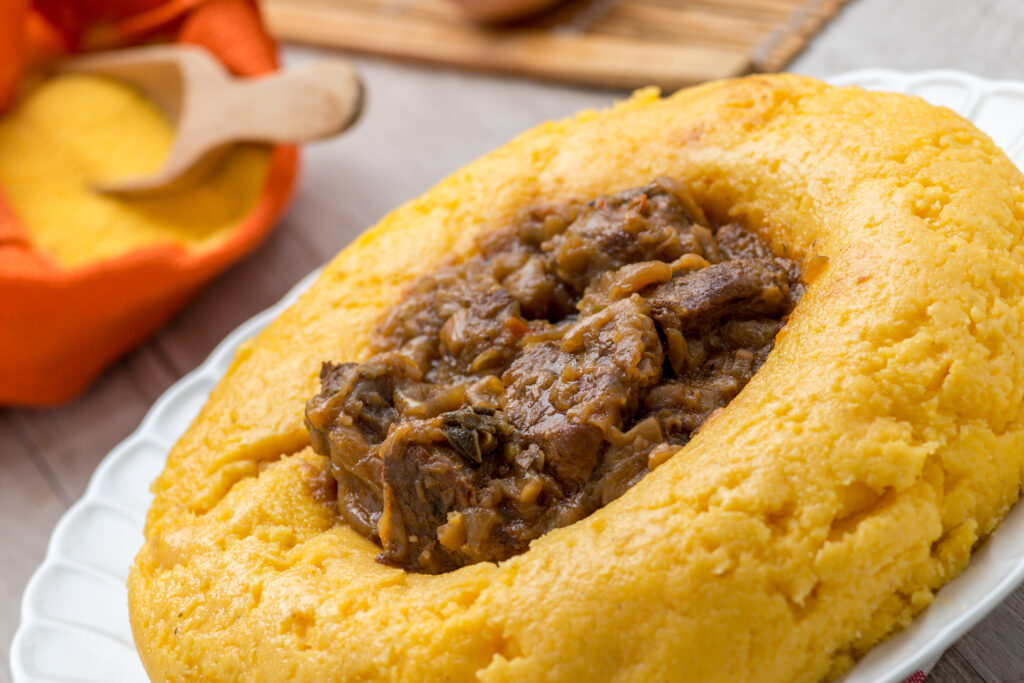
Polenta, once a vital source of sustenance for the poor peasants of northern Italy, has become a sophisticated dish served in Michelin-starred restaurants. Originally, it was made from cornmeal and cooked in water, forming a simple, bland mush that nourished generations of the working class. The introduction of corn to Europe made polenta a widespread substitute for more expensive wheat-based foods. However, its connection to poor health, like pellagra, a niacin deficiency, cemented its status as a food fit only for the downtrodden.
In the modern culinary world, chefs have worked their magic on polenta, incorporating rich butter, cream, and Parmesan to create a smooth, luxurious base for gourmet dishes. This transformation from poverty food to a gourmet staple underscores how culinary traditions can be redefined over time.
Sushi
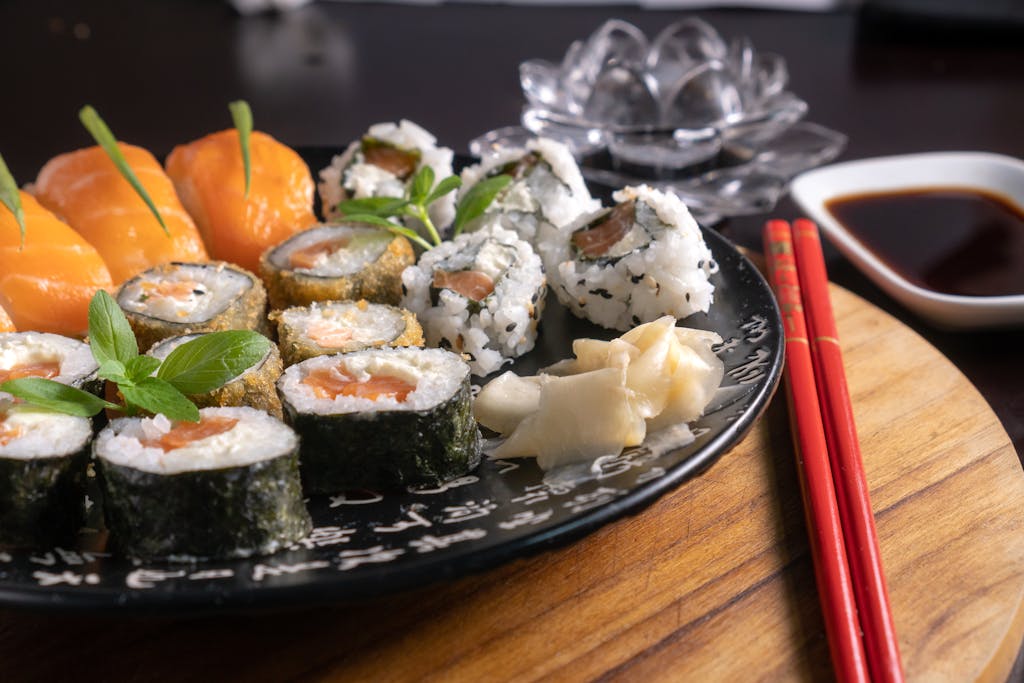
Sushi’s rise from a cheap street food to an expensive luxury dish is a testament to the changing nature of food. In ancient Japan, sushi was initially developed as a preservation technique, where fish was packed in fermented rice to prolong its shelf life. Over time, the practice evolved into a convenient fast food for laborers, with nigiri sushi emerging as a quick, low-cost meal.
By the mid-20th century, with advancements in refrigeration, sushi transitioned into a delicacy. The post-WWII economic boom and increasing global demand for raw fish led to a surge in the popularity of sushi bars and high-end omakase experiences, pushing the price of premium sushi to astronomical levels. Today, sushi’s journey from peasant food to a luxury item is a prime example of how market trends and technology can elevate a dish.
Lobster
Lobster was once so abundant in colonial New England that it was considered a food fit only for the poor. Piles of lobster shells would wash ashore after storms, and the crustaceans were often used as fertilizer or bait for other fish. In fact, lobster was so common that there were laws in Massachusetts limiting how frequently prisoners could be fed lobster, as it was deemed a form of cruel and unusual punishment.
The rise of the railroad and the development of canned lobster transformed the crustacean’s reputation. As the meat was shipped inland and became popular among the urban elite, lobster was rebranded as a luxury item. Today, lobster is a symbol of wealth and indulgence, completely detached from its past as the “sea insect” of the poor.
Caviar
Caviar, now a symbol of decadence, was once so abundant in Russia that it was considered a byproduct of fishing. The eggs of sturgeon were harvested in such large quantities that they were often given away in saloons to encourage drinking. Fish roe was salty, cheap, and widely available, and was consumed by workers as a quick, high-calorie snack.
The shift from caviar as a working-class food to a luxury began with aristocratic endorsements and environmental factors, such as overfishing. The scarcity of sturgeon and the rise of elite dining led to caviar’s transformation into one of the world’s most expensive and coveted foods.
Quinoa
Once regarded as a humble grain consumed by the indigenous poor in the Andes, quinoa has been rebranded as a “superfood” in recent years. Before the Spanish conquest, quinoa was a staple in the Incan Empire. Afterward, it was suppressed by the Spanish, who promoted European crops instead. For centuries, quinoa remained a food of the lowly and was often seen as a symbol of poverty.
In the 21st century, quinoa’s status has undergone a complete reversal, with Western health trends elevating it to superfood status. Now seen as a premium product, quinoa’s price has risen dramatically, making it inaccessible to the very people who kept it alive through centuries of hardship.
Bouillabaisse
Bouillabaisse, the famous Provençal fish stew, began as a dish made by fishermen in Marseille using the unsellable fish that they could not market. The stew was rustic and utilitarian, crafted from leftover fish scraps, garlic, and herbs. It was a cheap and hearty meal for those who worked on the water.
As bouillabaisse gained popularity among tourists and chefs began refining the dish, it evolved into a luxury item, often served with expensive saffron and presented with great ceremony. Today, bouillabaisse is protected by law, and a bowl in Marseille can cost upwards of seventy dollars.
Bird’s Nest Soup
Bird’s nest soup is made from the edible nests of the swiftlet bird, which is constructed from hardened saliva. Once consumed by royalty and elite Chinese families, the nests were initially used for their purported medicinal properties. However, harvesting the nests is dangerous and labor-intensive, making the soup incredibly expensive.
Today, bird’s nest soup is a prized delicacy, with a single serving costing hundreds of dollars. It has evolved from a humble, practical remedy into one of the world’s most expensive dishes.
Oysters
In the 19th century, oysters were the quintessential street food in cities like New York and London. They were so abundant that they were sold cheaply to the working class as a source of protein. However, overfishing, industrial pollution, and changes in consumption patterns gradually drove up their price.
Today, oysters are a luxury food item, often served raw at high-end seafood restaurants. The shift in oyster consumption reflects the transformation of an everyday food into a rare and expensive delicacy.
Escargot
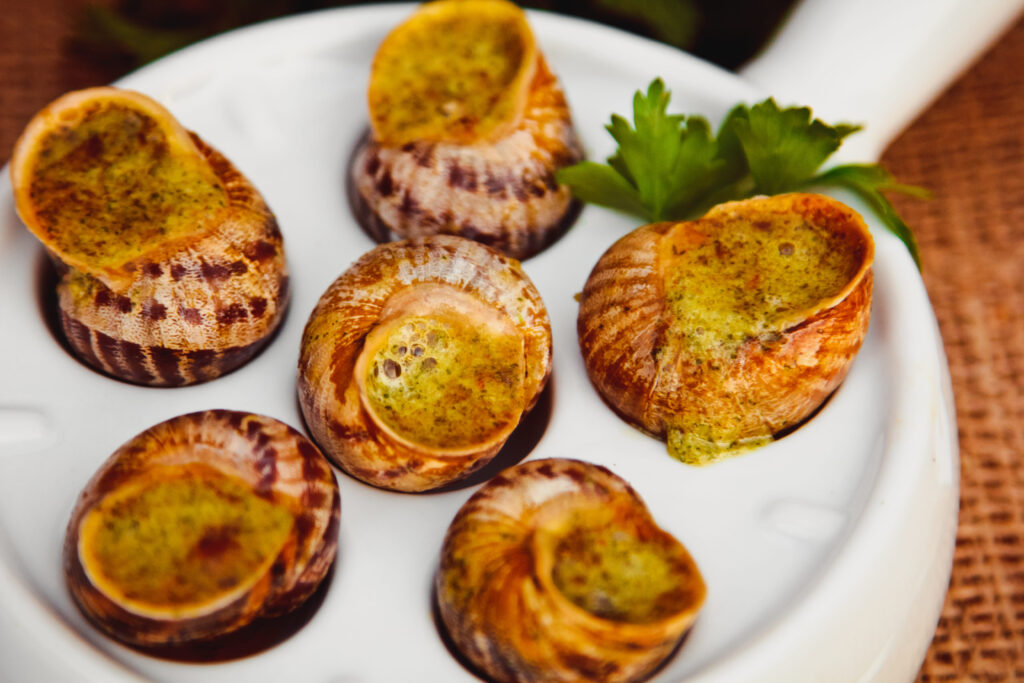
Escargot’s transformation into a luxurious dish is a testament to the culinary world’s ability to reframe food culture. Once a humble survival food, escargot has evolved into a refined appetizer served in some of the finest restaurants worldwide. The dish’s transition from lowly to elite shows how tastes can change over time.