In the grand scheme of things, humans are often seen as disruptors of nature, destroying ecosystems, driving species to extinction, and altering landscapes. But what if we told you that, in some cases, humans aren’t just destroyers but creators and sustainers of life? Through intentional breeding, cultivation, and even unintentional interventions, humans have played a role in shaping or even ensuring the survival of certain species.
These are the species that owe their existence to us, species that might not have survived or thrived without human intervention.
As we delve into these fascinating examples, it’s not just about the things we’ve domesticated or altered. In some cases, we’ve fundamentally reshaped entire evolutionary paths, creating life forms that would never exist without us. From pets to plants, let’s explore the top 10 species that owe their very survival to humans.
Dogs
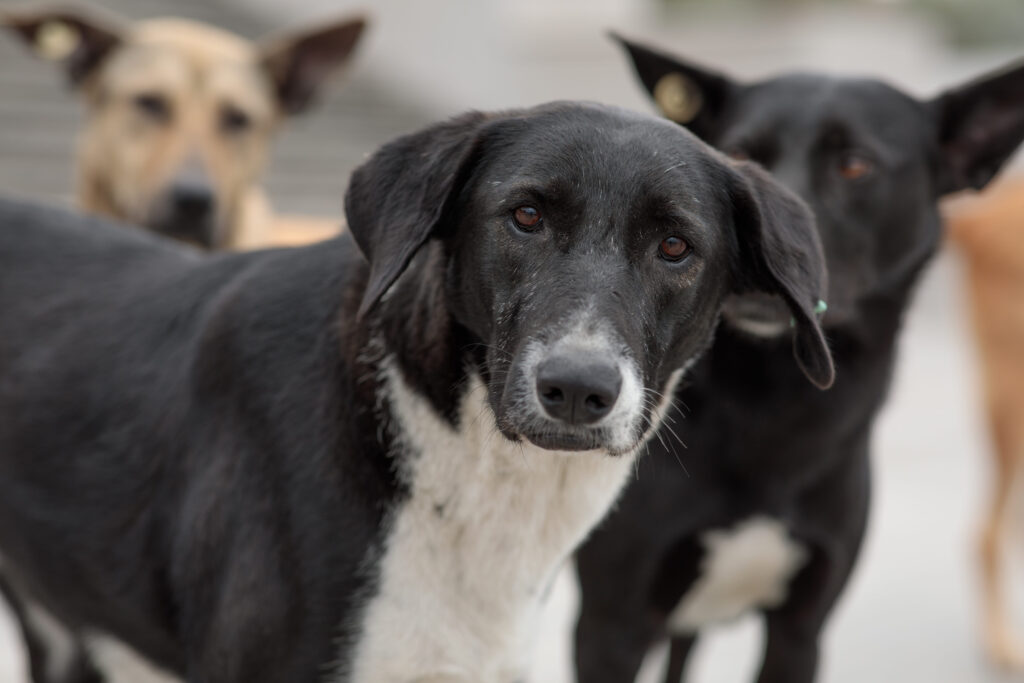
Dogs are the ultimate success story of human intervention, yet their origins remain a captivating mystery. According to Britannica, dogs evolved from wolves, with domestication beginning as early as 14,000 years ago, when early humans began taming wild canines.
But the story didn’t stop there. Over millennia, humans selectively bred dogs for traits like size, behavior, and appearance. This long history of shaping has resulted in the wide variety of dog breeds we have today, from tiny teacup Chihuahuas to towering Great Danes.
What makes dogs stand out is not just their domestication, but the way they’ve adapted to fit seamlessly into human society. Their intelligence, loyalty, and unique ability to understand and communicate with humans make them unparalleled in the animal kingdom. Without human intervention, these traits would likely never have emerged. Dogs, in many ways, are a product of human desire and selective breeding.
Corn

If you’ve ever enjoyed a corn-on-the-cob or snacked on popcorn, you’ve witnessed human ingenuity at work. Modern corn is the result of thousands of years of selective breeding, starting with a wild grass called teosinte, which early Mesoamerican farmers began cultivating about 9,000 years ago. As Britannica explains, early humans chose plants with larger seeds and better yields, gradually transforming this wild grass into the large, nutrient-rich crop we now rely on.
The evolution of corn is one of the most dramatic examples of how human intervention can alter nature’s course. Without human cultivation, the plant would remain a tiny, insignificant grass, barely able to provide any sustenance.
Wheat
Wheat, like corn, didn’t just appear in its modern form in the wild. Its domestication has a deep and long history, dating back to the ancient Fertile Crescent about 12,000 years ago. As Britannica notes, early agricultural societies selectively bred wheat for its larger, more edible grains.
This process not only allowed wheat to become one of the most important crops worldwide, but it also played a key role in the development of early human civilization.
The human impact on wheat is so profound that today, we have dozens of varieties, each adapted for different climates and agricultural needs. Without human intervention, wheat as we know it would not exist.
Cattle
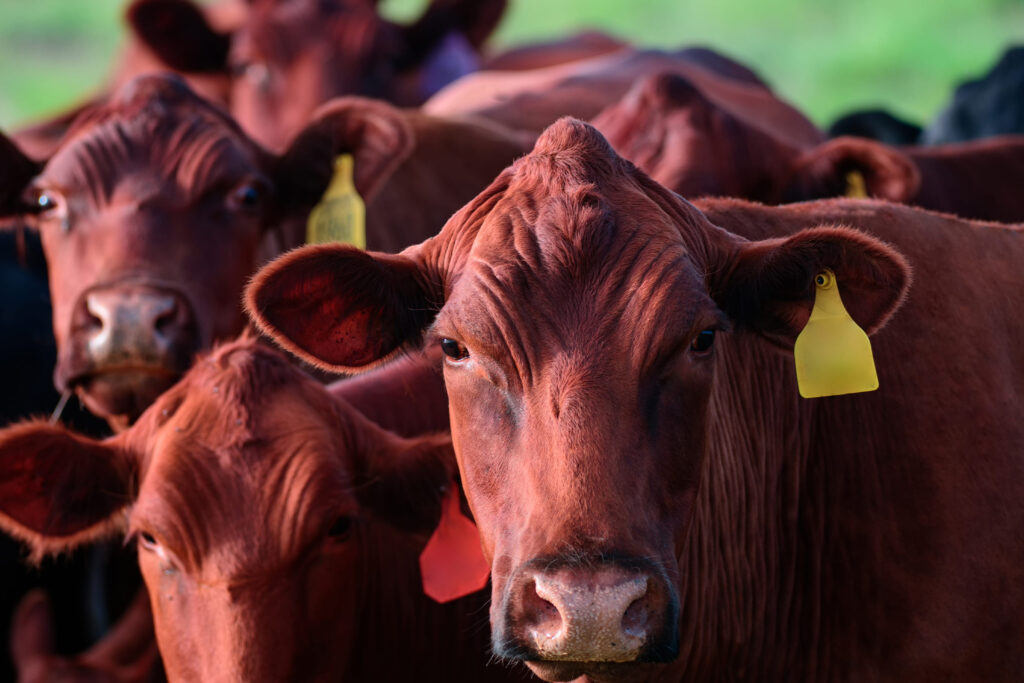
Cattle are one of the world’s oldest domesticated animals, but their origins lie in the wild aurochs, which were large, fierce ancestors of the modern cow.
The domestication of cattle began around 10,000 years ago in regions such as the Middle East, where humans began selectively breeding the animals for traits like size and temperament. Over time, the aurochs was transformed into a docile and productive farm animal that could provide milk, meat, and labor.
Today, as Britannica explains, cattle are indispensable to human agriculture. They are more than just livestock; they are essential for the global food industry, and their domestication is a direct result of human influence over the centuries.
Goldfish
Goldfish are a familiar and often underestimated part of many households. But their existence today is a direct result of human intervention.
Originally domesticated by the Chinese during the Tang dynasty (618-907 AD), the goldfish we know today was selectively bred from the wild carp. Over generations, humans selected for the fish’s unique golden coloration, and as Britannica notes, the result is a pet that now exists almost exclusively in human care.
Goldfish, while simple to maintain, are a reminder of how humans have transformed nature for aesthetic and ornamental purposes. Without human intervention,goldfish likely would not have evolved their characteristic colors and patterns, nor would they have become the beloved aquarium pet.
Potatoes
The potato is another crop that owes much of its existence to humans. Originating in the Andean region of South America, the wild ancestors of potatoes were much smaller and less prolific. As Britannica explains, early farmers began cultivating the tubers and selecting for traits such as size and taste.
Over time, potatoes were brought to Europe and the rest of the world, becoming a staple food crop thanks to their ability to grow in diverse climates and provide high yields.
Today, potatoes are a global food source, and their widespread cultivation and variety wouldn’t have been possible without human cultivation over thousands of years. The modern potato is a testament to the power of selective breeding and agricultural innovation.
Avocados
Avocados have a peculiar history. While their large pit once made them a perfect food for megafauna like mastodons, the extinction of these giant animals could have wiped out the avocado.
However, as the Smithsonian points out, humans began cultivating the fruit long before it became a global phenomenon. By selecting for larger, more palatable fruits, humans helped ensure that avocados would thrive, long after the giant herbivores that once spread their seeds disappeared.
The modern avocado is not just a relic of the past—it is a direct result of human agricultural efforts. Without our intervention, this “evolutionary anachronism” would have been lost to history.
Brassica Vegetables
Imagine a single plant that can give you broccoli, cabbage, kale, cauliflower, and Brussels sprouts. Sounds like magic, right? But it’s actually the result of thousands of years of human cultivation. As Britannica explains, all of these vegetables are derived from the same species, Brassica oleracea. Over generations, humans selected for different traits, creating the diverse array of vegetables that now form the backbone of our diets.
What’s fascinating is how humans essentially re-engineered a single species to produce a variety of products. It’s a prime example of how our selective breeding can shape entire lineages and produce a wide range of food sources from one genetic pool.
Crab Lice
Crab lice, or Pthirus pubis, are another species that wouldn’t exist without humans. As the CDC notes, this parasitic louse thrives specifically in human pubic hair and is spread almost exclusively through human-to-human contact.
While not exactly a creature you’d want to keep as a pet, crab lice are an example of how human activities can inadvertently create environments where certain species can thrive.
Without human societies and the close contact they foster, these tiny creatures would likely not have evolved into the pest they are today. Instead, they are a reminder that our very existence can impact the survival of even the most unappealing organisms.
The “London Underground” Mosquito
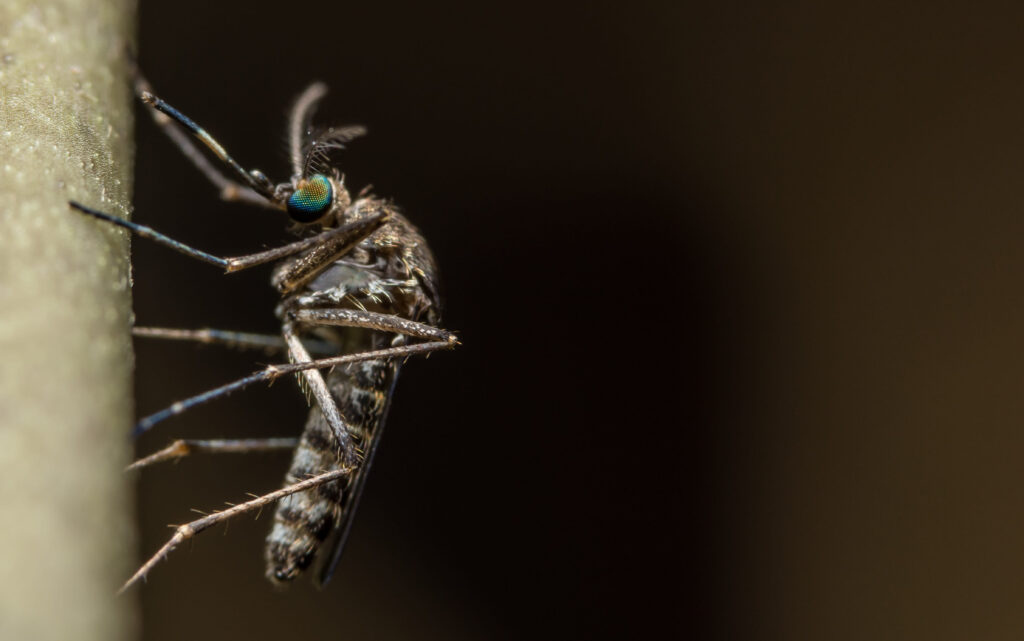
The Culex pipiens mosquito is a common nuisance, but its underground counterpart, Culex molestus, is a fascinating example of human-induced evolution.
While early studies suggested that this mosquito subsisted entirely in the subterranean tunnels of the London Underground, recent research from Nature suggests that this mosquito form may have ancient roots tied to human settlements, particularly in the Middle East and Egypt.
Still, the fact that this mosquito thrives in the dark, damp tunnels of the subway system is a testament to how human-made environments can influence the evolution of species. Without the development of cities and their underground infrastructure, these mosquitoes would likely not have adapted to their current form.