Some foods do not just feed us. They flirt with us. They arrive wrapped in reputation, mystery, and the kind of scarcity that makes people lean in a little closer. That is why a plate with truffle shavings, a pinch of saffron, or a perfectly poured specialty coffee once felt like an event instead of a routine purchase.
But the moment something rare becomes relentlessly available, the mood changes. What once felt elegant can start to feel overexposed, flattened by scale, branding, and endless imitation. That does not mean these foods became bad overnight. It means their charm, the aura that made them feel unforgettable, got diluted when production raced ahead of craftsmanship.
Truffles
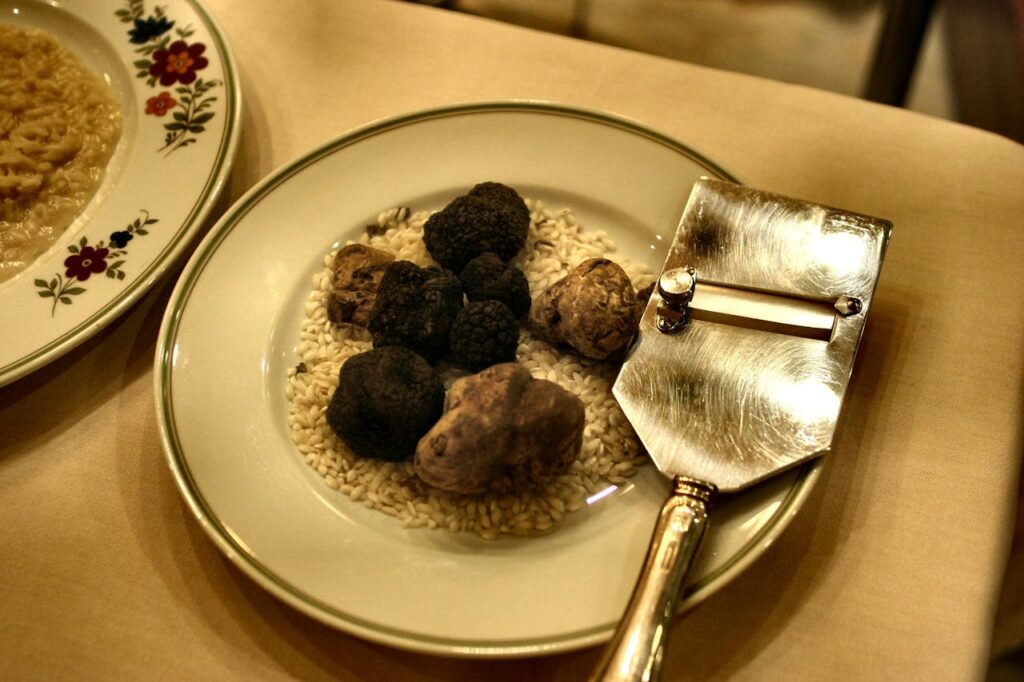
Truffles used to feel like a culinary treasure, the sort of ingredient whispered about in candlelit dining rooms and shaved over dishes with theatrical restraint. Part of the appeal was the hunt itself, since wild truffles carried a romance that could never be factory-made.
Now that cultivation has expanded, the market is crowded with truffle fries, truffle mayo, truffle chips, and truffle oil on practically everything on the menu board. When an ingredient becomes a marketing perfume instead of a rare pleasure, it stops feeling luxurious and starts feeling tired.
Saffron
Saffron still has prestige, but it no longer feels as untouchable as it once did. The spice remains labor-intensive and valuable, yet large-scale production has changed the conversation from pure wonder to questions about quality, grading, and authenticity.
FAO notes that Iran produces more than 90 percent of the world’s saffron, underscoring how concentrated and commercially significant the market has become. Once a whisper of gold in a special dish, saffron now has to fight harder to prove it is the real thing and not just another expensive promise in a small jar.
Avocados
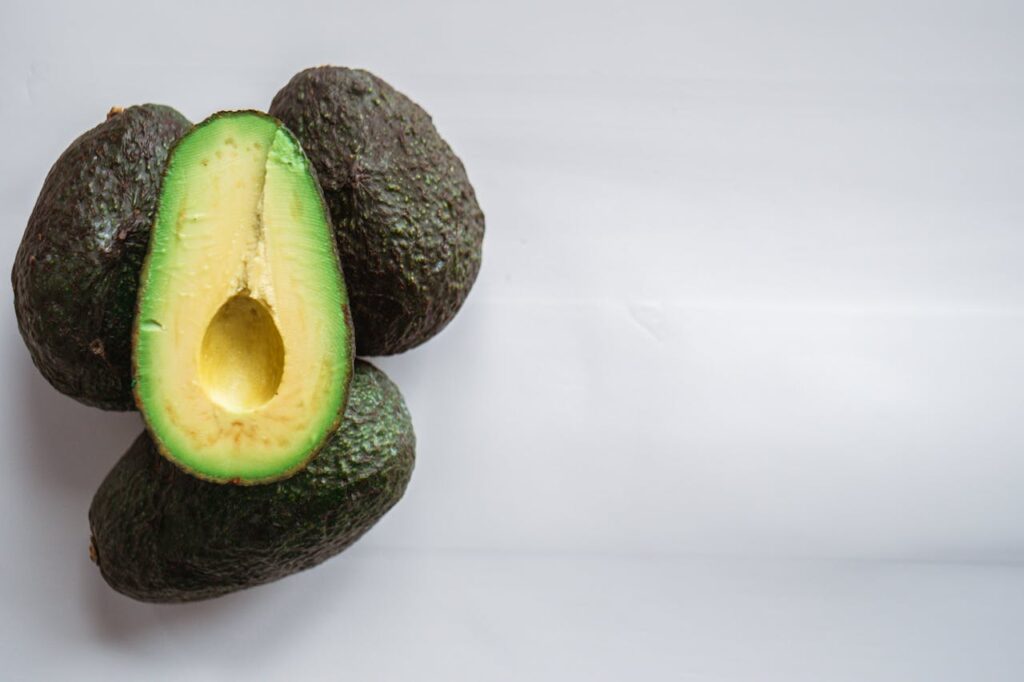
Avocados may be the clearest example of a food that went from stylish to ordinary in record time. What used to signal a slightly upscale, health-conscious lifestyle is now as common as bread and eggs, thanks to brunch culture, wellness branding, and nonstop demand.
The environmental cost of that rise has been serious in some producing regions as well. A 2026 study on Michoacán found a 168 percent increase in avocado cultivation from 1993 to 2023 and a 59 percent reduction in forest cover, with the crop requiring at least 70 percent of the region’s available freshwater by conservative estimates. That kind of scale does not just change landscapes. It changes the emotional texture of the food itself, turning a once-special fruit into an industrial symbol of excess.
Lobster
Lobster has had one of the strangest identity crises in food history. It moved from humble fare to a luxury icon, then drifted into a strange middle ground where it still wants to feel glamorous but also shows up in chain-restaurant rolls, frozen-dinner specials, and flashy menu add-ons. That constant exposure chipped away at its mystique.
A dish loses some of its power when it stops feeling like a moment and starts feeling like a sales tactic wearing a bib.
Organic Produce
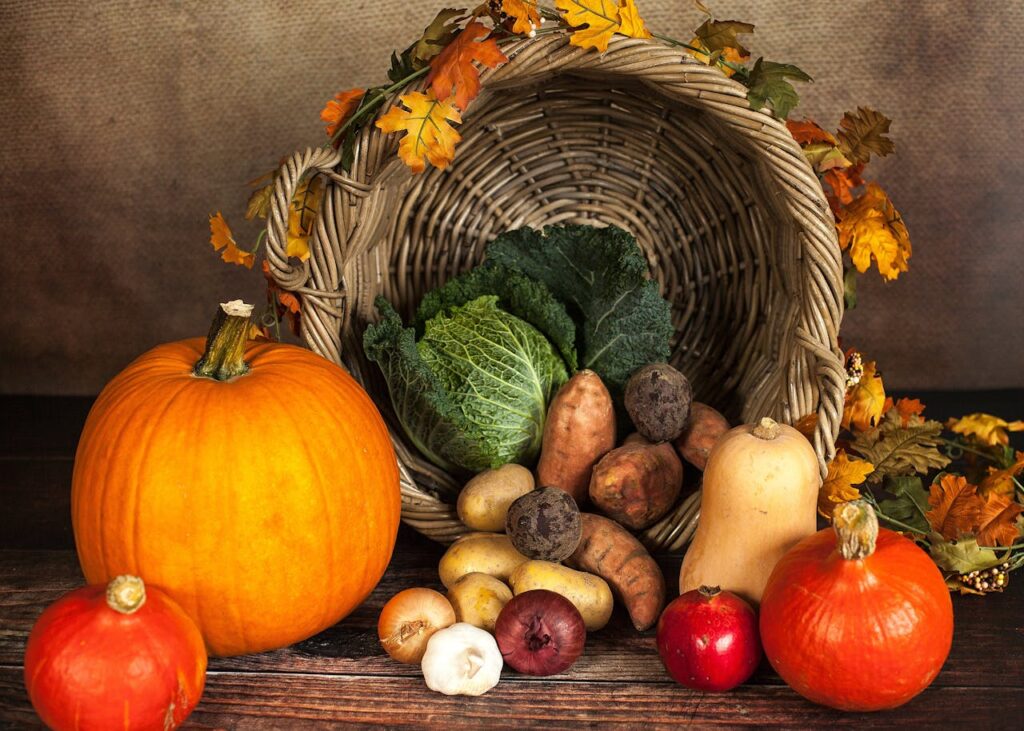
Organic produce was once treated almost like a moral choice with a halo around it. People associated it with careful farming, smaller operations, cleaner growing practices, and a more intimate connection to what landed on the plate.
Now the organic marketplace is huge. The Organic Trade Association says U.S. organic sales reached $71.6 billion in 2024, up 5.2 percent from the previous year and outpacing the overall marketplace. Growth is not the villain here, but scale has a way of sanding down meaning. When a label becomes a mass-market badge, some of its soul inevitably slips away, and shoppers begin to wonder whether they are buying a principle or just paying for packaging.
Craft Beer
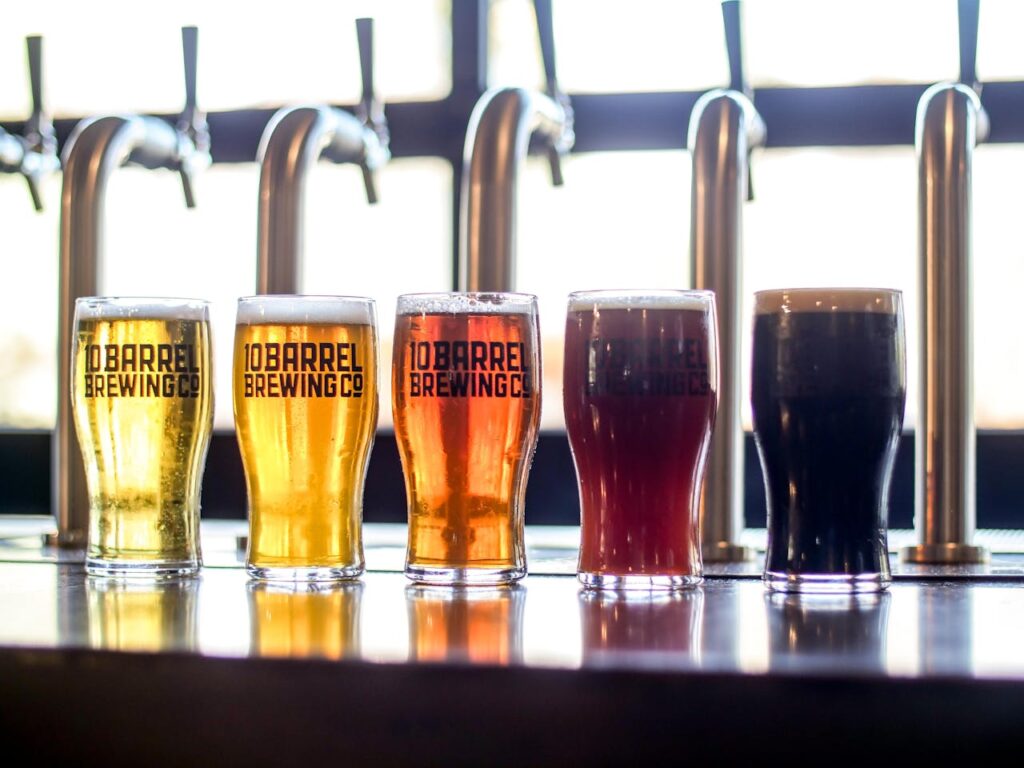
Craft beer was supposed to be the rebel. It entered the room to fight sameness, mock bland corporate lagers, and give drinkers something local, eccentric, and full of personality. Then success arrived, and with it came oversaturation.
The Brewers Association said 2025 was marked by continued contraction, with 268 new brewery openings but 434 closings, a sign that the market has become brutally crowded and difficult to stand out in. When every can screams limited release, small batch, dry hopped, barrel aged, and once-in-a-lifetime, the words lose their voltage. The romance of discovery gets buried under a mountain of lookalike labels.
Specialty Coffee
Specialty coffee used to feel like a ritual for people who genuinely cared about beans, origin notes, roast profiles, and the craft of brewing. There was intimacy in it. A barista knew the story behind the cup, and the experience felt less like a transaction and more like a tiny education. Now coffee culture is everywhere, and even though that has made better coffee more accessible, it has also encouraged massive-scale imitation.
The original source notes that specialty coffee has become a global phenomenon, and recent ICO data shows global coffee exports rising to 12.62 million bags in January 2026, up 13.7 percent year over year. Bigger markets bring wider access, but they also make it harder to tell the difference between something genuinely excellent and something merely dressed in artisanal language.