Our world is filled with fascinating creatures, each unique in its own way. While some animals exude danger with their menacing appearances, others deceive us with their innocent or cuddly looks. Here are ten such animals that may look harmless but pack a deadly punch.
Kayan Loris
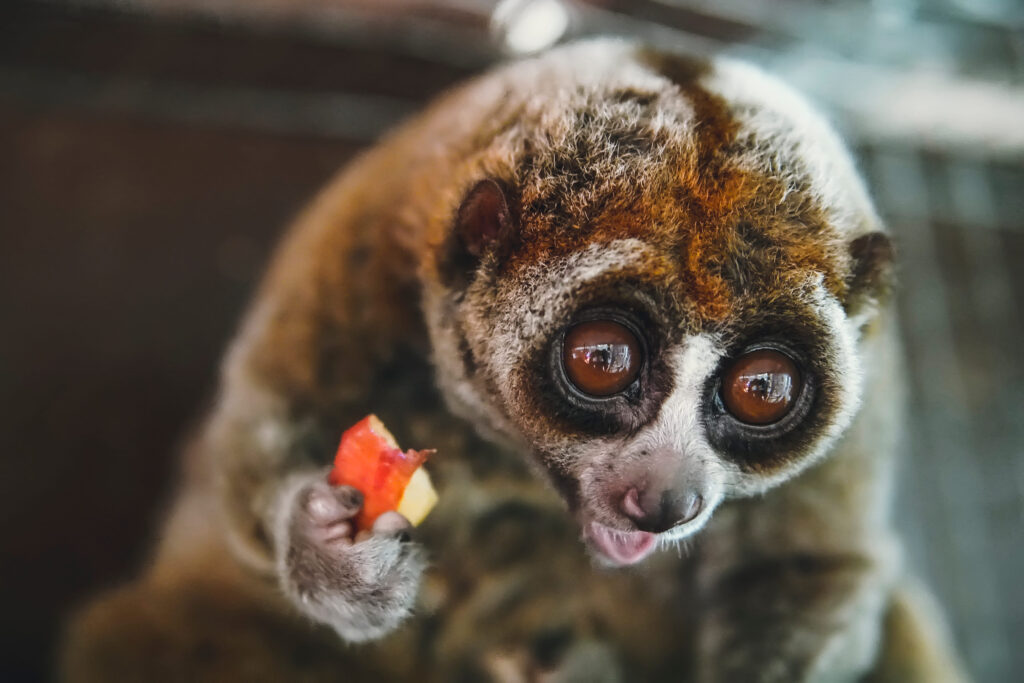
The Kayan loris, or slow loris, is a small primate that might seem harmless with its large, doe-like eyes and velvety fur. Native to Southeast Asia, this creature’s slow movements and nocturnal habits may lead you to believe it’s no threat.
However, beneath its adorable exterior lies a deadly weapon. The slow loris is the only known venomous primate, capable of producing a toxin from a gland in its elbow that it licks before delivering a venomous bite. The effects of the venom can be fatal, as it induces anaphylactic shock.
While these animals are not aggressive by nature, if they feel threatened or cornered, they will not hesitate to defend themselves. The toxin they secrete is potent enough to cause paralysis and potentially kill if left untreated.
The slow loris’ venomous bite poses a significant risk in the wild, and while it has a relatively small range in Borneo’s rainforests, its deadly defense mechanism raises important questions about human interaction with wildlife. In addition to their toxic bites, their numbers are decreasing due to habitat loss and illegal pet trade, leading them to be considered endangered.
Honey Badger
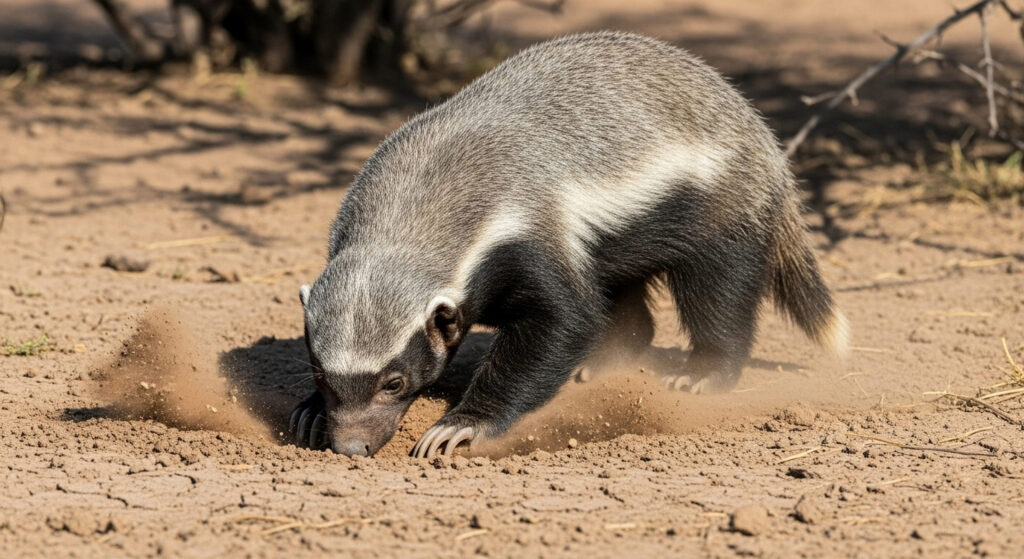
The honey badger, known for its fierce attitude and relentless pursuit of survival, is often overlooked due to its small size and seemingly innocent appearance. This fearsome creature is not only one of the most fearless animals on the planet, but it also has a reputation for picking fights with animals far larger than itself, including lions and crocodiles.
Honey badgers can take on venomous snakes like cobras and even survive bites from the deadliest species, continuing their predatory behavior undeterred. What makes honey badgers particularly dangerous is their tenacity; they never back down from a challenge.
Despite their small, almost comical look, honey badgers are skilled hunters. Their ability to dig burrows, raid bird nests, and even hunt dangerous prey, such as venomous snakes, showcases their impressive survival instincts. Their thick skin and relentless spirit mean they will continue to fight until they succeed, making them formidable opponents in the wild. Known for their viciousness, honey badgers are respected across Africa and Asia, where their reputation as fearless predators is well-established.
Koala
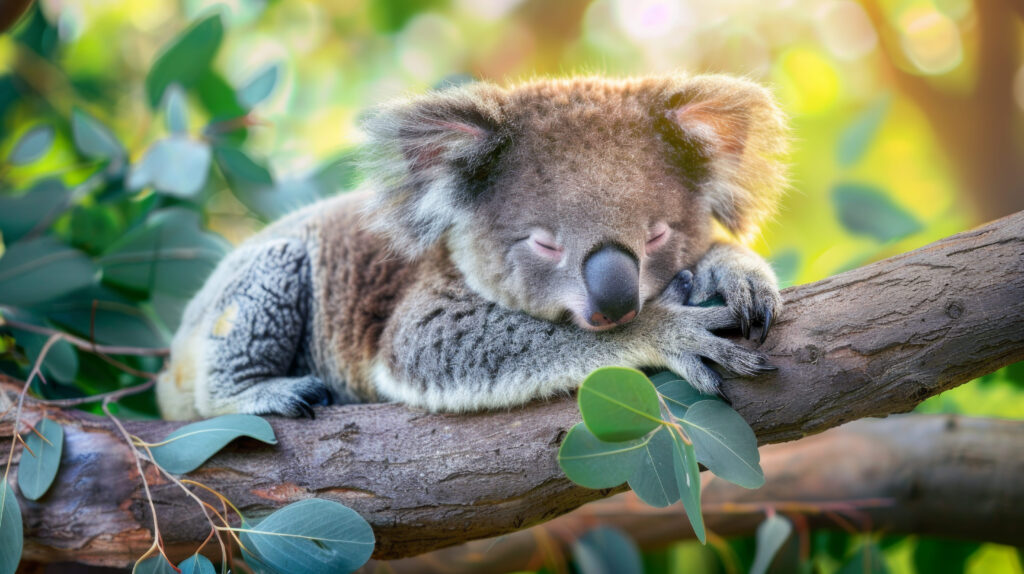
Koalas may seem like gentle, sleepy creatures who spend most of their time lounging in eucalyptus trees, but this laid-back appearance hides an animal capable of inflicting serious harm. These marsupials are armed with sharp claws and strong jaws.
When threatened, they can move surprisingly fast and use their claws to tear into opponents. Although they are usually non-aggressive, they have been known to attack dogs and humans when cornered or threatened. Koalas are not only skilled climbers but also adept at defending themselves when necessary.
Their diet, consisting primarily of eucalyptus leaves, doesn’t give them much energy, which is why they often appear sluggish. However, despite their slow pace, koalas can strike quickly and powerfully in self-defense. Their attacks, though not frequent, can be severe enough to cause injury or even death if provoked. When in distress, koalas may also vocalize with a high-pitched scream, signaling their territorial nature and their potential for aggression when pushed.
Red Panda
Red pandas may appear to be cuddly creatures, often likened to plush teddy bears with their fluffy tails and innocent eyes. However, behind that cute exterior lies a solitary and skilled predator. The red panda is an agile climber and a fierce hunter, capable of taking down prey larger than itself. Known for its sharp claws and teeth, it is not a creature to be underestimated. These animals are solitary by nature, relying on stealth and quick movements to hunt for food in the wild.
Red pandas are known to use their claws for both climbing and defending themselves. Their physical strength and hunting abilities make them capable of taking down prey that might seem too large for an animal of their size. While red pandas mostly feed on bamboo, they are opportunistic feeders and will hunt small animals, including birds and insects. Their solitary nature and sharp instincts make them excellent predators, though their small size often leads to their underestimation by potential threats.
Geographic Cone Snail
The geographic cone snail, with its beautifully patterned shell, might seem like an innocent marine creature. However, it’s one of the most venomous creatures in the ocean. Found primarily in the Indo-Pacific region, this snail uses its harpoon-like tooth to inject a powerful venom into its prey, causing instant paralysis.
While its bright patterns might attract collectors, getting too close to this mollusk can have fatal consequences. The venom it secretes contains a mix of toxins that can quickly overwhelm the nervous system.
The geographic cone snail relies on its venomous bite to capture its prey, which is typically small fish. Unfortunately, humans who encounter this snail are at risk, as the venom can cause paralysis, respiratory failure, and even death. There is no known antidote for its sting, and treatment primarily focuses on keeping the victim alive until the toxins lose their potency. Despite its small size, this snail proves that appearances can be deceiving in the animal kingdom.
Pufferfish
The pufferfish is one of the most deceptive animals in the sea. With its cute face and vibrant, colorful scales, it might seem like a harmless fish that simply inflates to defend itself.
However, this seemingly innocent creature hides a deadly secret: it contains a potent neurotoxin, tetrodotoxin, which is incredibly toxic to humans. The poison in the pufferfish is so strong that it can kill up to 30 adult humans if consumed.
In Japan, pufferfish, or fugu, is considered a delicacy, but it must be prepared by licensed chefs trained in handling the fish to avoid poisoning. Despite these precautions, fatalities still occur every year due to improper preparation. Tetrodotoxin in pufferfish paralyzes muscles, and without prompt intervention, death can occur. This makes the pufferfish both a fascinating and dangerous species, as its beauty hides a deadly potential.
Golden Poison Dart Frog
The golden poison dart frog is one of the smallest animals on this list, but it’s also one of the deadliest. Found in the rainforests of Colombia, this bright yellow frog is known for its highly toxic skin secretions. One gram of the frog’s toxin can kill several humans.
The golden color of these frogs serves as a warning to predators, signaling their toxicity and discouraging attacks. The poison is a potent neurotoxin that can cause rapid paralysis and death if absorbed through the skin or mucous membranes.
Although small in size, the golden poison dart frog’s venom makes it a formidable force in the wild. Its toxins have been used by indigenous people to poison their blow darts for hunting, giving the frog its name. Unfortunately, this species is endangered, mainly due to habitat loss and deforestation, making it an important animal for conservation efforts. The frog’s remarkable ability to produce such potent toxins in such a small body highlights the power of nature’s defense mechanisms.
Cape Buffalo
The Cape buffalo is not just a dangerous animal; it’s a vengeful one. Known for its territorial nature, the Cape buffalo is responsible for more human deaths in Africa than any other animal. These powerful creatures have an exceptional memory and can hold grudges for years. If a hunter injures a Cape buffalo, it will track that individual down for years to exact its revenge. The buffalo’s strength is incredible, capable of flipping vehicles and killing even predators like lions.
A group of buffalo, called a herd, is highly protective of its members and will fiercely defend them against attackers. These herbivores are also highly skilled at detecting danger and will often ambush predators or humans when threatened. With their large horns and powerful build, Cape buffaloes should be respected for their strength and aggressiveness in the wild.
Tsetse Fly
The tsetse fly may be small, but it is one of the most dangerous creatures in Africa. These flies spread African trypanosomiasis, also known as sleeping sickness. The bite of a tsetse fly introduces parasites into the bloodstream, causing symptoms such as fever, headaches, and fatigue. As the disease progresses, it affects the central nervous system, causing confusion, seizures, and eventually death if left untreated.
Tsetse flies are often found in rural areas, posing a major health risk to people and livestock. The best way to prevent the spread of sleeping sickness is to avoid being bitten by these flies. Wearing neutral-colored clothing, using insect repellent, and sleeping under a proper mosquito net or in an air-conditioned room are essential precautions for staying safe in areas where tsetse flies are common.
Blue-Ringed Octopus
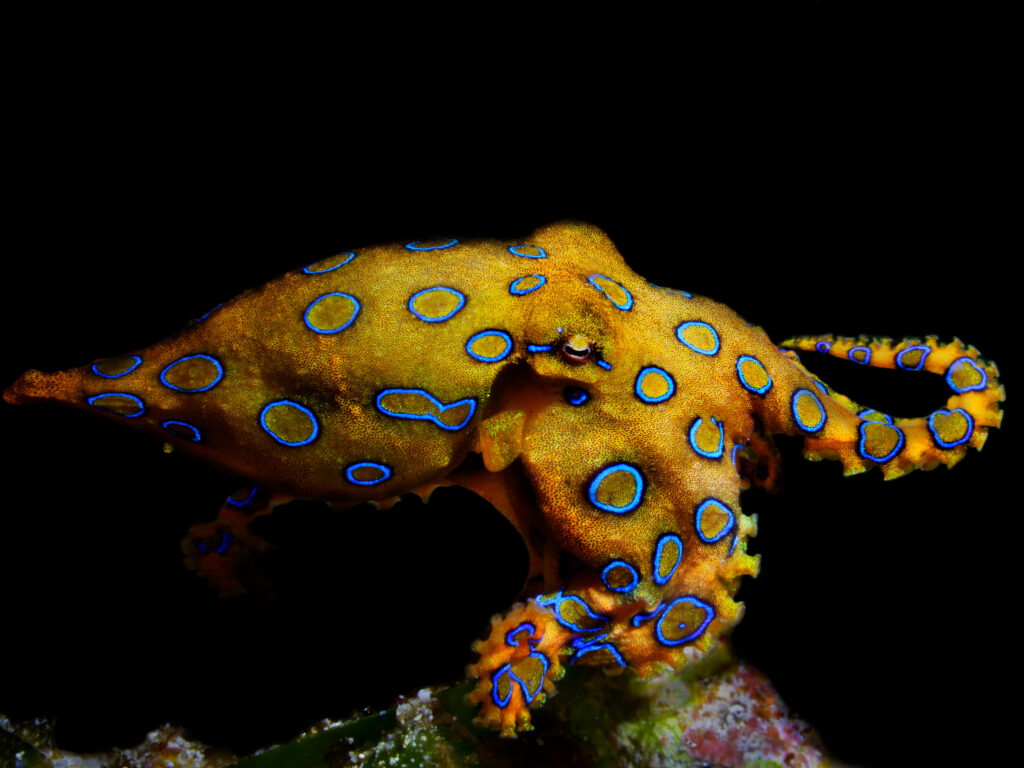
The blue-ringed octopus is one of the most deadly marine creatures, capable of delivering a venomous bite that can cause paralysis and death within minutes. Known for its stunning blue rings that appear when it feels threatened, this octopus hides in plain sight in shallow coastal waters across Australia and the Indo-Pacific. Despite its small size, the blue-ringed octopus carries enough venom to kill a human with a single bite. The venom is so potent that it can cause paralysis, respiratory failure, and even death if not treated immediately.
The danger with the blue-ringed octopus lies in its ability to bite without being noticed. The effects of the bite are often delayed, and by the time symptoms appear, the victim can already be in critical condition. There is no known antivenom, and the only treatment involves keeping the victim alive until the toxins wear off. The blue-ringed octopus is a perfect example of how something so beautiful can b