As autumn arrives and the days grow cooler, the bounty of fall harvests presents an opportunity to fill your meals with nourishing, flavorful ingredients. From hearty squashes to antioxidant-rich spices, the season offers more than just comforting flavors; it brings a range of health benefits. In fact, these fall foods are packed with vitamins, minerals, and nutrients that can support everything from heart health to digestion. While some of these ingredients might be overlooked, they deserve a spot in your fall meals. Here are 10 fall foods you should seriously consider adding to your diet this season.
Pumpkin
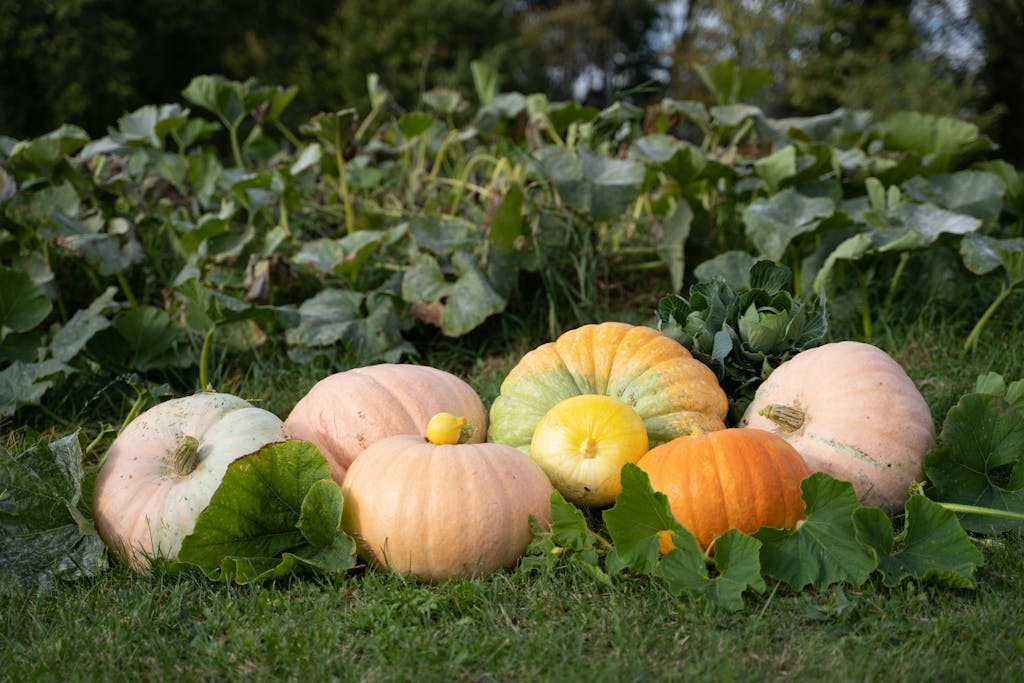
Pumpkin is often associated with sweet treats and lattes, but its health benefits go far beyond dessert. Pumpkin is loaded with fiber, vitamin A, and potassium, making it a nutrition-packed vegetable that supports immune function and heart health. It’s a versatile ingredient that can be used in savory dishes like soups, casseroles, and even risottos. Additionally, pumpkin can be used in baking as a substitute for butter or oil, providing moisture without the added fat.
Spaghetti Squash
Spaghetti squash is the perfect alternative to pasta, especially for those looking to cut down on carbs or gluten. When cooked, the flesh of this squash separates into long, spaghetti-like strands, making it an ideal base for your favorite pasta sauces. Rich in fiber and low in calories, spaghetti squash is a great way to boost your vegetable intake while still satisfying your appetite. It’s also packed with vitamin C, which supports your immune health during the colder months.
Acorn Squash
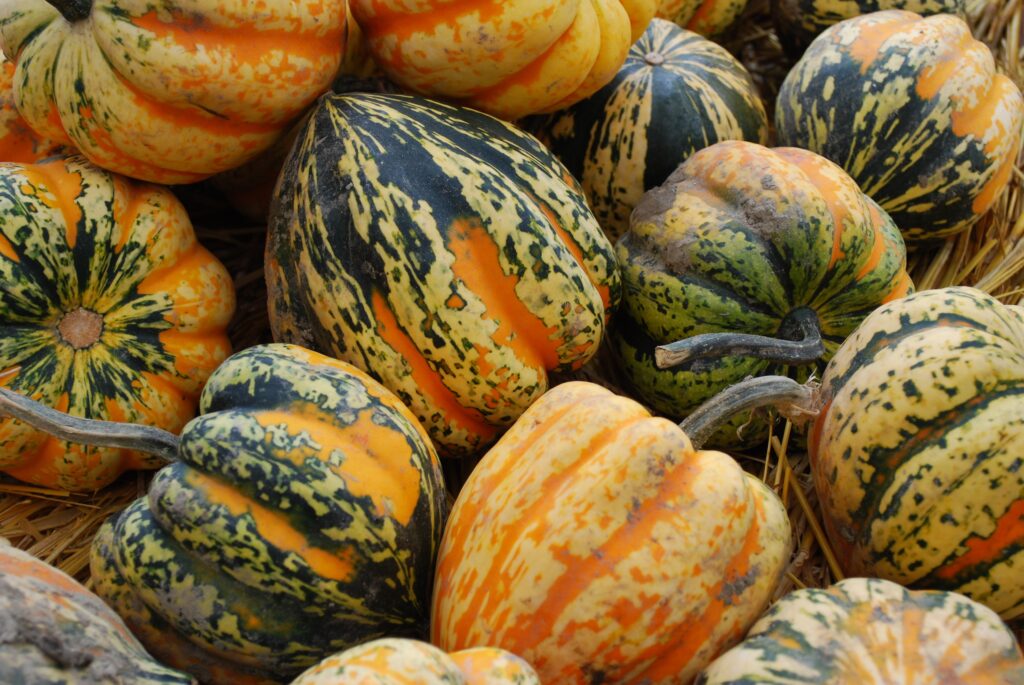
Acorn squash may not be the most popular fall vegetable, but it offers a subtle sweetness that pairs beautifully with both sweet and savory dishes. This squash is an excellent source of fiber and essential vitamins like vitamin C and B vitamins, which help boost your immune system and metabolism. Roasted acorn squash makes for a delicious side dish, or you can stuff it with grains, nuts, and herbs for a hearty, nutritious meal.
Butternut Squash
Butternut squash is a quintessential fall ingredient that adds a naturally sweet and creamy texture to a variety of dishes. It’s packed with beta-carotene, which the body converts into vitamin A, promoting healthy skin and vision. This squash is also rich in vitamins C and E, both of which are vital for immune function. Butternut squash is versatile and can be roasted, pureed into soups, or even used in baked goods for added moisture and nutrition.
Beets
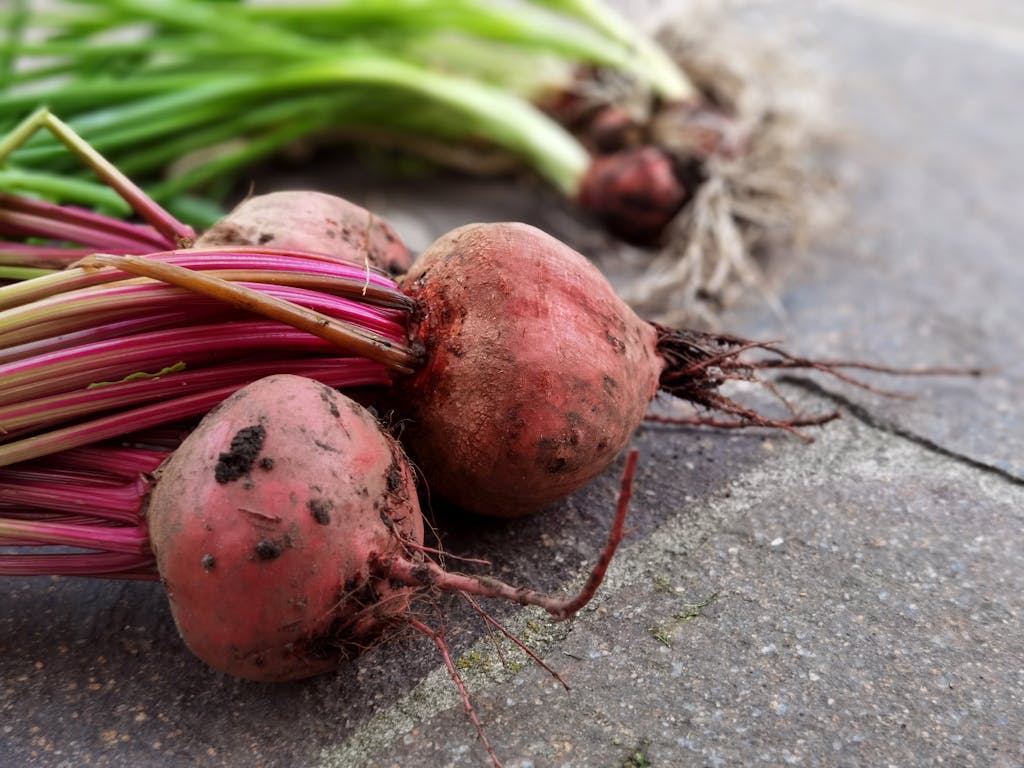
Beets are often overlooked, but these vibrant root vegetables are full of powerful nutrients. Beets are high in fiber, antioxidants, and essential minerals like iron and potassium. They also contain nitrates, which have been shown to help improve blood flow and lower blood pressure. Whether roasted, steamed, or blended into smoothies, beets are a fantastic addition to salads, bowls, and juices.
Cardamom
Cardamom is a lesser-known spice that deserves a place in your fall kitchen. It has a warm, aromatic flavor that works well in both sweet and savory dishes. In addition to enhancing the flavor of your meals, cardamom is rich in antioxidants that support digestion and reduce inflammation. Use it in baked goods, chai tea, or sprinkle it over roasted vegetables for an exotic, comforting flavor boost.
Apples
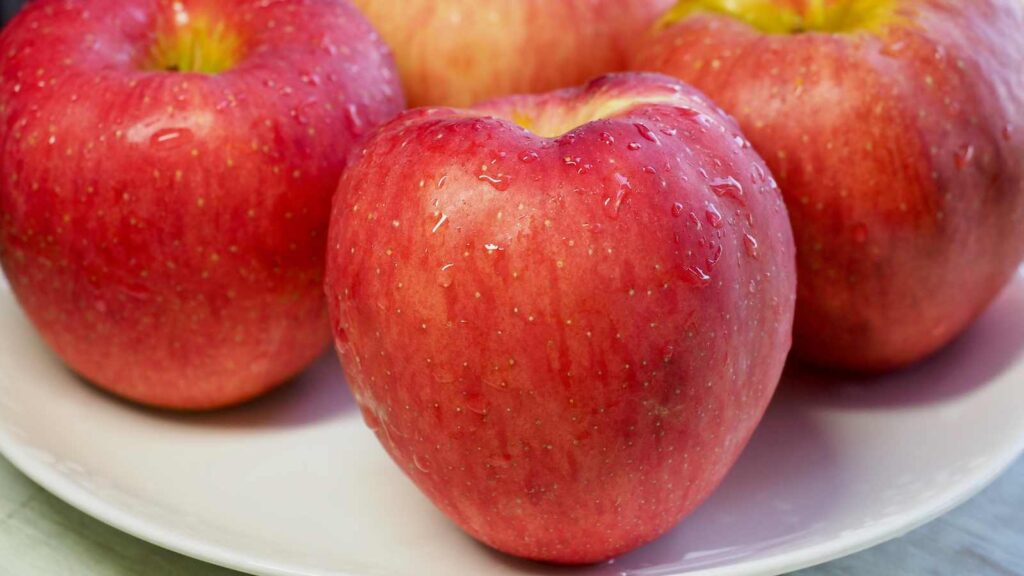
Apples are often thought of as a simple snack, but they’re much more than that. Rich in fiber and antioxidants, apples help support digestive health and provide a steady source of energy. The variety of apples available in the fall means there’s a type for every taste, whether you’re craving something tart or sweet. You can enjoy apples on their own or incorporate them into savory dishes like salads and pork roasts. They’re also perfect for making homemade applesauce or baking into pies and crisps.
Pumpkin Spice
Pumpkin spice is more than just a trendy flavor for fall beverages; it’s a blend of spices that offer a variety of health benefits. This combination of cinnamon, nutmeg, cloves, and ginger adds complexity to any dish, from baked goods to roasted meats. The ingredients in pumpkin spice are rich in antioxidants that fight inflammation and promote digestive health. The warming nature of pumpkin spice also helps support circulation and immunity, making it a great spice to use throughout the season.
Cinnamon
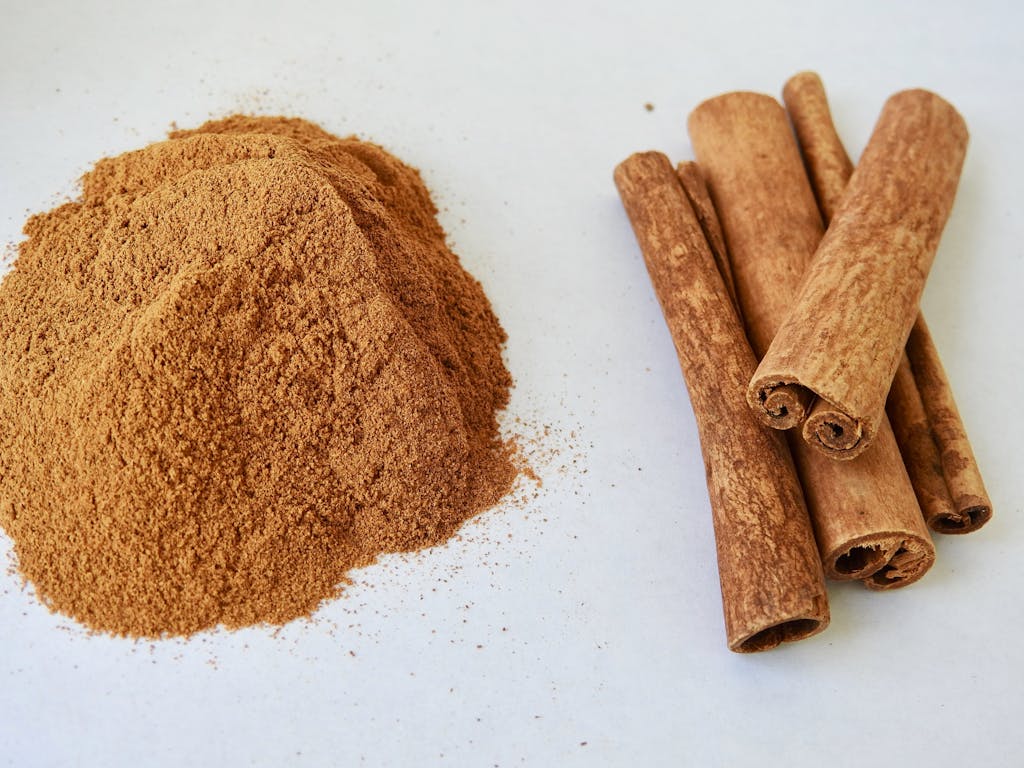
Cinnamon isn’t just for the occasional pumpkin pie; it’s a powerhouse of health benefits that should be included year-round. This spice is a great way to boost the flavor of your meals without adding extra calories or sugar. Cinnamon is rich in antioxidants and has been shown to help regulate blood sugar, making it an excellent choice for anyone looking to support metabolic health. You can sprinkle it on oatmeal, mix it into smoothies, or use it to season roasted vegetables for a warm, earthy touch.
Delicata Squash
Delicata squash is a sweet and nutty vegetable that pairs well with both savory and sweet dishes. It is rich in fiber, vitamins A and C, and antioxidants that support overall health, including immune function and skin health. Unlike some other squash varieties, Delicata’s skin is thin enough to eat, making it easy to prepare. It can be roasted, sautéed, or added to soups and salads for an extra boost of nutrition.
Conclusion
Fall is a season rich in delicious and nutritious foods that can elevate your meals while supporting your health. From hearty squashes to antioxidant-packed spices, these 10 fall ingredients offer a variety of health benefits and flavors that can make your meals both nourishing and satisfying. By incorporating these foods into your diet, you’ll not only enjoy the tastes of the season but also boost your intake of essential vitamins, minerals, and antioxidants that are vital for overall well-being. Make the most of the autumn harvest by embracing these foods in your meals this season.