Deer can ruin a beautiful garden overnight. One evening, your flower beds are bright, full, and photo-worthy, then the next morning, the blooms look like someone attacked them with garden scissors. That is why choosing the right annual flowers matters, especially if your yard sits near woods, open fields, or quiet suburban edges where deer like to wander.
The good news is that you do not have to give up color to protect your garden. Many deer-resistant annual flowers have strong scents, bitter flavors, rough leaves, or textures deer usually avoid. These flowers are not guaranteed to stop every hungry deer, but they can make your garden much less tempting.
Planting Too Many Tender Flowers Deer Love
One of the biggest mistakes gardeners make is filling beds with soft, juicy flowers and hoping deer will ignore them. Deer often go for easy, tender growth first, especially during dry weather or early spring when natural food is limited. If your garden is packed with delicate blooms and no stronger-scented plants around them, it can quickly become an open invitation.
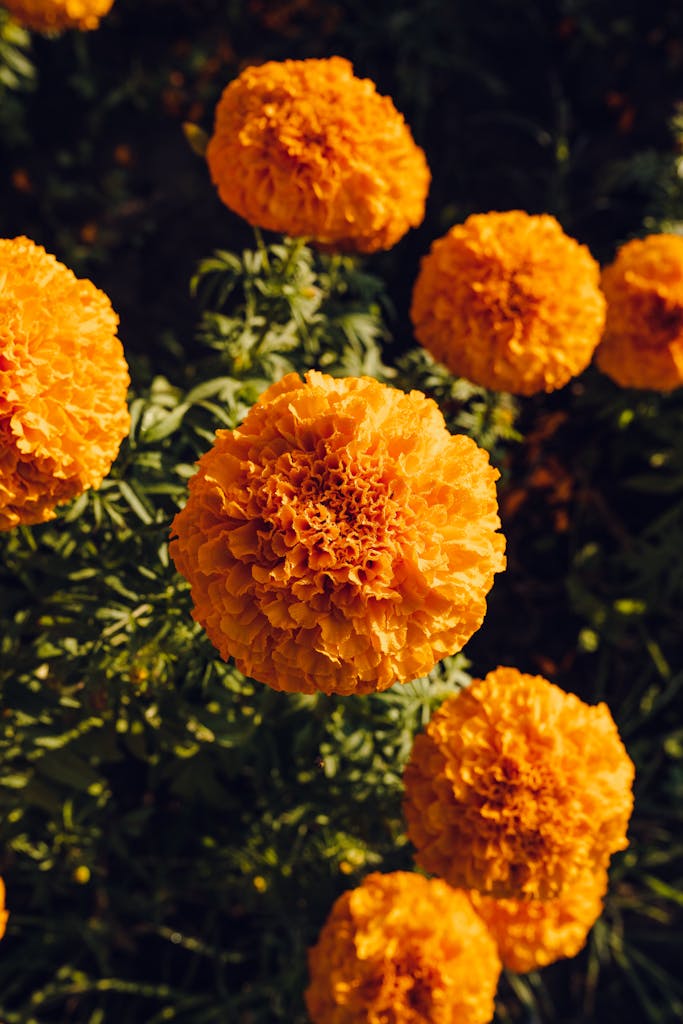
Marigolds are a smarter choice because their strong fragrance makes them less appealing to deer. Their bright orange, yellow, red, and gold blooms also bring instant warmth to borders, containers, and vegetable gardens. Plant them in full sun with well-draining soil, and they can keep blooming through the season with very little fuss.
Ignoring Zinnias When You Need Bold Color
Some gardeners skip zinnias because they look too cheerful to be practical, but that is a mistake. These annuals bring big, daisy-like blooms in pink, red, orange, yellow, purple, white, and gold, making them perfect for gardeners who want color that actually shows from the curb. Their coarse texture and scent can make them less attractive to deer.
Zinnias work best in sunny spots where they get enough light to produce strong stems and heavy blooms. They do need consistent watering, especially in hot weather, but they reward you with a long display. Remove faded flowers regularly, and the plant will keep producing new color instead of wasting energy on old blooms.
Forgetting Snapdragons for Vertical Interest

Photo Credit: Anna Tarazevich/Pexels
Flat flower beds can look dull, even when the colors are pretty. That is why ignoring snapdragons is another garden mistake, especially if you want height, structure, and deer resistance from a single plant. Snapdragons grow upright, with stacked blooms in shades of white, pink, purple, yellow, orange, and red.
Their slightly bitter taste helps make them less appealing to deer. They are especially useful in front-yard beds, cottage gardens, and mixed borders where you need flowers that do more than sit low to the ground. Give them full to partial sun, keep the soil evenly moist, and deadhead faded flowers to encourage more blooms.
Leaving Sweet Alyssum Out of Borders
A bare garden edge can make even a well-planted bed look unfinished. Sweet alyssum solves that problem with low-growing clouds of tiny flowers in white, pink, purple, and peach. Its scent can help discourage deer, making it a useful choice for borders, pathways, and container edges.
Sweet alyssum is especially helpful when you want a soft, full look without adding a high-maintenance plant. It likes full to partial sun and moist, well-draining soil, but it does not want to sit in soggy ground. Use it as a living edge around taller deer-resistant annual flowers to make your garden look fuller and more intentional.
Avoiding Spider Flowers Because They Look Unusual
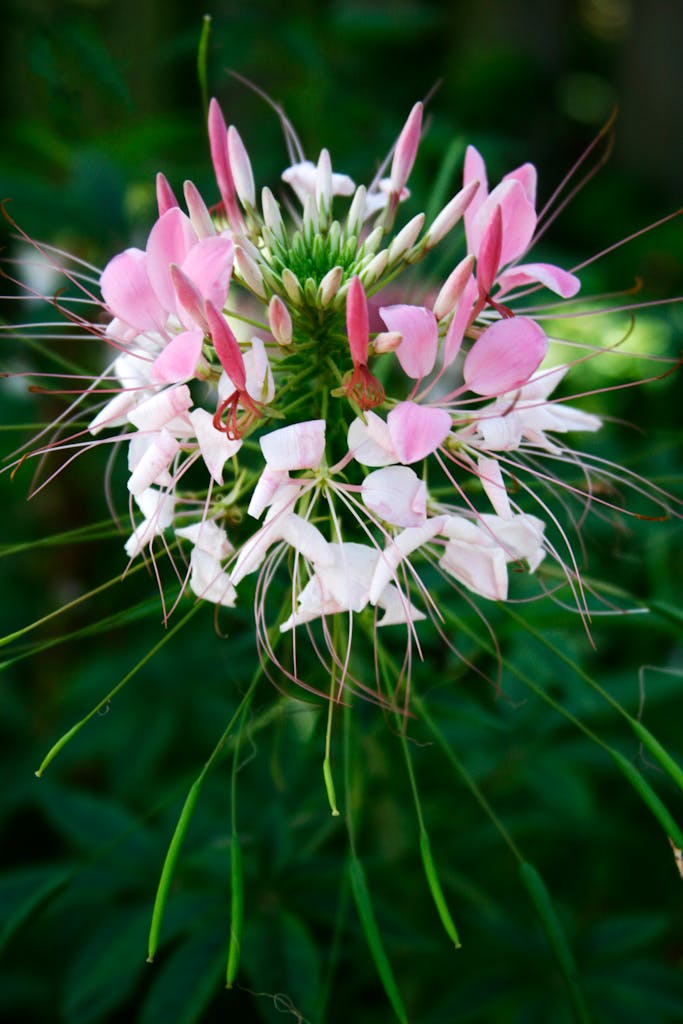
Spider flowers, also called cleome, are often overlooked because of their slightly wild, dramatic shape. That is exactly why they work so well in a garden that needs height, movement, and personality. Their pink, purple, or white blooms sit atop airy stems, creating a loose, natural look that feels less stiff than that of many bedding plants.
Deer usually dislike their odor and texture, which gives them an advantage in exposed garden spaces. Spider flowers also handle full sun well and can tolerate less-than-perfect soil better than many fussy annuals. In a dense flower bed, they add height without making the whole space feel heavy.
Missing Verbena for Sunny, Dry Spots
If your sunny garden beds look tired by midsummer, skipping verbena may be the problem. Verbena produces clusters of small blooms in purple, pink, white, and red, and it works well in borders, hanging baskets, and containers. Its rough leaves and bitter taste make it a stronger option for gardens where deer pressure is common.
Verbena loves sun and well-draining soil, so it is a good fit for hot spots where weaker flowers may struggle. Pinch off spent blooms to keep the plant looking fresh and encourage continued flowering. It gives you that full, colorful look without making your garden feel too delicate or vulnerable.
Treating Lantana Like a Backup Plant
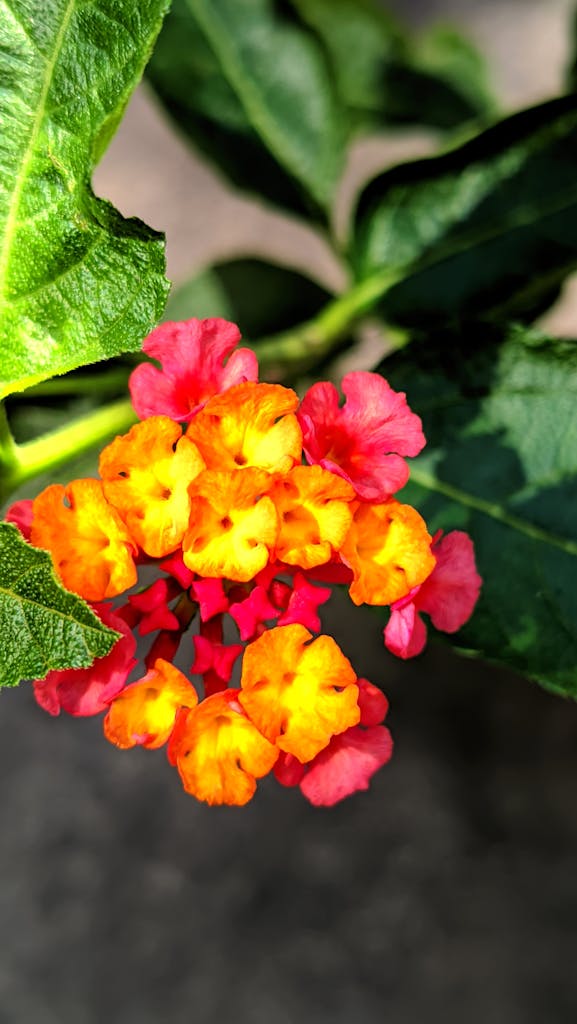
Lantana is sometimes treated like a filler flower, but that undersells its usefulness. Its clustered blooms can mix yellow, orange, pink, red, purple, and white in one plant, giving your garden a bright, tropical look. Deer tend to avoid lantana because of its rough leaves, strong scent, and unpleasant taste.
This flower is especially helpful for hot, sunny areas where you want color without constant pampering. In warmer regions, lantana may behave more like a perennial, but in colder zones, it is often grown as an annual. Plant it in well-draining soil and let it bring strong color to places where softer flowers often fail.
Overlooking Cornflowers in Natural Gardens
A garden does not always need polished, formal flowers to look beautiful. Cornflowers, also known as bachelor’s buttons, bring a relaxed wildflower feel with blooms in blue, purple, pink, red, and white. They are deer-resistant annual flowers that can make a garden look charming without feeling overdesigned.
Cornflowers grow quickly and attract helpful pollinators, making them a good choice for cottage gardens, meadow-style beds, and sunny borders. They prefer moist, well-draining soil and can handle full sun to partial shade. Their easygoing look works especially well when mixed with zinnias, calendula, or sweet alyssum.
Forgetting California Poppies in Tough Soil
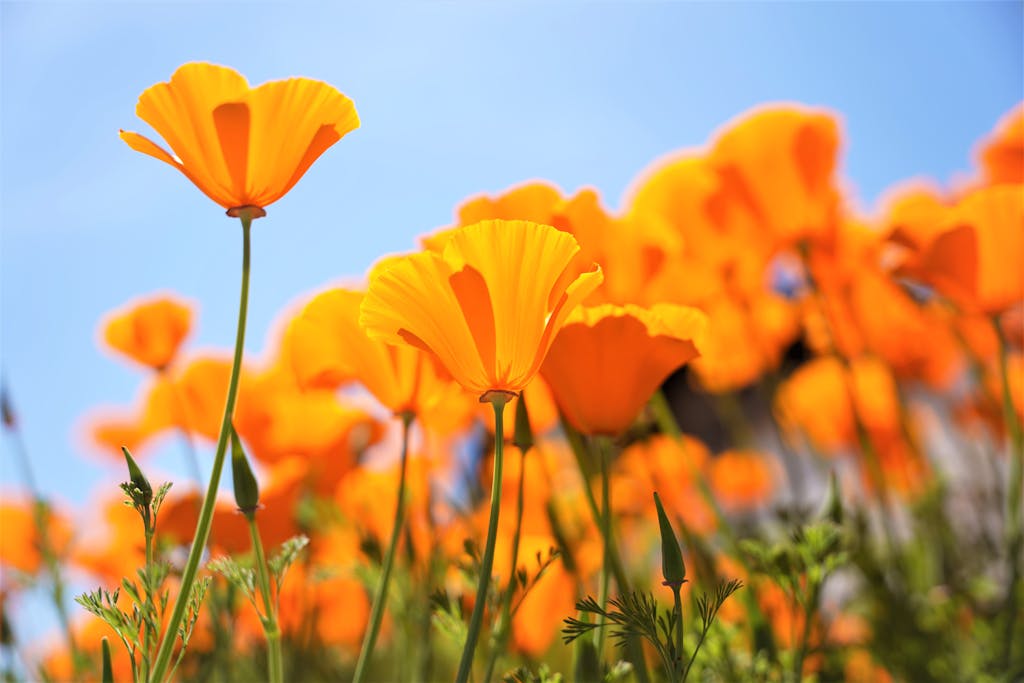
Some gardeners waste time fighting poor soil instead of choosing flowers that can handle it. California poppies are a smart pick for sandy, rocky, or fast-draining areas where other annuals may sulk. Their silky blooms usually appear in yellow, gold, and orange, though some varieties come in softer shades like pink, red, and cream.
Deer often avoid California poppies because of their bitter taste. They thrive in full sun and do not need rich, pampered soil to perform well. If your garden has a dry, open area that looks empty every year, California poppies can make it feel bright and intentional with far less effort.
Underestimating Calendula for Easy Color
Calendula, also called pot marigold, is another flower that gardeners sometimes underestimate. It’s sunny, daisy-like blooms bring cheerful gold and orange tones to beds, borders, and containers. Deer usually avoid it because of its bitter flavor and strong aroma, which makes it a practical choice as well as a pretty one.
Calendula grows best in full sun but can tolerate partial shade, giving it more flexibility than some heat-loving annuals. It also works well from seed after the last frost, which makes it budget-friendly for gardeners who want more flowers without buying endless nursery trays. Use it near vegetables, walkways, or patio beds for color that feels bright but not fussy.
Conclusion
The biggest mistake is planting for beauty alone and forgetting how deer actually choose what to eat. A smarter garden uses deer-resistant annual flowers like marigolds, zinnias, snapdragons, sweet alyssum, spider flowers, verbena, lantana, cornflowers, California poppies, and calendula to create color with built-in protection. No flower is completely deer-proof, but choosing plants with strong scents, bitter tastes, rough leaves, and tough textures can make your garden much less inviting to hungry visitors.