Green tea has earned a well-deserved reputation as a health miracle, praised for its antioxidant properties, weight-loss benefits, and heart-healthy effects. However, as with any popular health trend, it’s crucial to assess both its advantages and drawbacks.
While green tea offers several notable benefits, excessive consumption or use under certain conditions can lead to significant side effects. In this article, we will explore six serious side effects of drinking green tea, helping you navigate its consumption for optimal health benefits without the unexpected consequences.
Digestive Distress

Green tea is often seen as a soothing beverage, but its high tannin content, a type of polyphenol, can actually cause digestive issues. Tannins can increase stomach acidity, leading to symptoms such as nausea, stomach cramps, or indigestion. For individuals already prone to digestive conditions like acid reflux or irritable bowel syndrome (IBS), consuming green tea may worsen these problems. In some cases, it can even lead to bloating or an uncomfortable sense of fullness.
To mitigate these digestive issues, it’s advisable to consume green tea in moderation. Drinking it between meals rather than with food can help reduce its acidic effects on your stomach. If you’re sensitive to tannins, consider switching to decaffeinated green tea, as it tends to be gentler on the digestive system. Most importantly, listen to your body if you notice discomfort; it’s wise to reduce your intake and experiment with other milder herbal teas.
Sleepless Nights

Despite green tea’s calming reputation, it contains caffeine, which can have the opposite effect if consumed too late in the day. Even though it has less caffeine than coffee, this stimulant can still cause restlessness, anxiety, and insomnia, particularly if consumed in the afternoon or evening. The caffeine in green tea can stay in your system for several hours, disrupting your ability to fall asleep and affecting your sleep quality. For people with sleep disorders or heightened sensitivity to caffeine, drinking green tea late in the day can be counterproductive.
To prevent sleep disruption, avoid drinking green tea after mid-afternoon. You can also switch to decaffeinated green tea or opt for herbal teas like chamomile, known for their sleep-promoting properties. Maintaining a moderate caffeine intake throughout the day will also help minimize its potential impact on your sleep. If you experience persistent sleeplessness, cutting back on green tea consumption might be necessary.
Iron Absorption
Green tea is rich in catechins, antioxidants known for their health benefits. However, these same antioxidants can bind to non-heme iron (the type found in plant-based foods) and prevent its absorption. This can be particularly problematic for individuals who rely on plant-based diets for their iron intake or those who are already at risk of iron deficiency. Over time, green tea’s interference with iron absorption could contribute to anemia or other related health issues.
To avoid this issue, it’s advisable to drink green tea between meals rather than alongside them, giving your body time to absorb iron without interference. For those who need to increase their iron levels, pairing iron-rich meals with foods high in vitamin C can enhance absorption, as vitamin C synergizes with iron. If you have concerns about iron deficiency, it’s always a good idea to have your iron levels checked by a healthcare provider, especially if you’re a regular consumer of green tea.
Liver Damage
Green tea extracts, commonly found in weight loss and fat-burning supplements, have been associated with liver toxicity in some cases. While drinking regular green tea is generally safe, taking concentrated green tea extracts can strain your liver excessively. In some extreme instances, high doses of green tea extracts have been linked to liver damage, including acute liver failure. These high doses of catechins can overwhelm the liver’s natural detoxification processes, potentially causing harm.
To reduce the risk of liver damage, it’s best to consume green tea in its natural form, drinking one to three cups per day. Avoid overusing green tea supplements or extracts unless specifically advised by your healthcare provider. If you experience unusual symptoms such as yellowing of the skin (jaundice), fatigue, or abdominal pain, seek medical attention immediately, as these could indicate liver distress.
Increased Risk of Bleeding
Green tea may increase the risk of bleeding in individuals taking blood-thinning medications like warfarin. The active compounds in green tea, including vitamin K and catechins, can interfere with blood clotting, reducing the effectiveness of blood thinners. For anticoagulant therapy, consuming excessive green tea can increase the risk of bruising or more serious bleeding complications.
If you’re on blood-thinning medication, consult your healthcare provider before adding green tea to your routine. Even moderate amounts of green tea can cause interactions, so it’s important to be mindful of how much you consume. Reducing your intake to one or two cups per day and keeping an eye out for unusual bleeding or bruising can help you avoid complications.
Blood Pressure Fluctuations
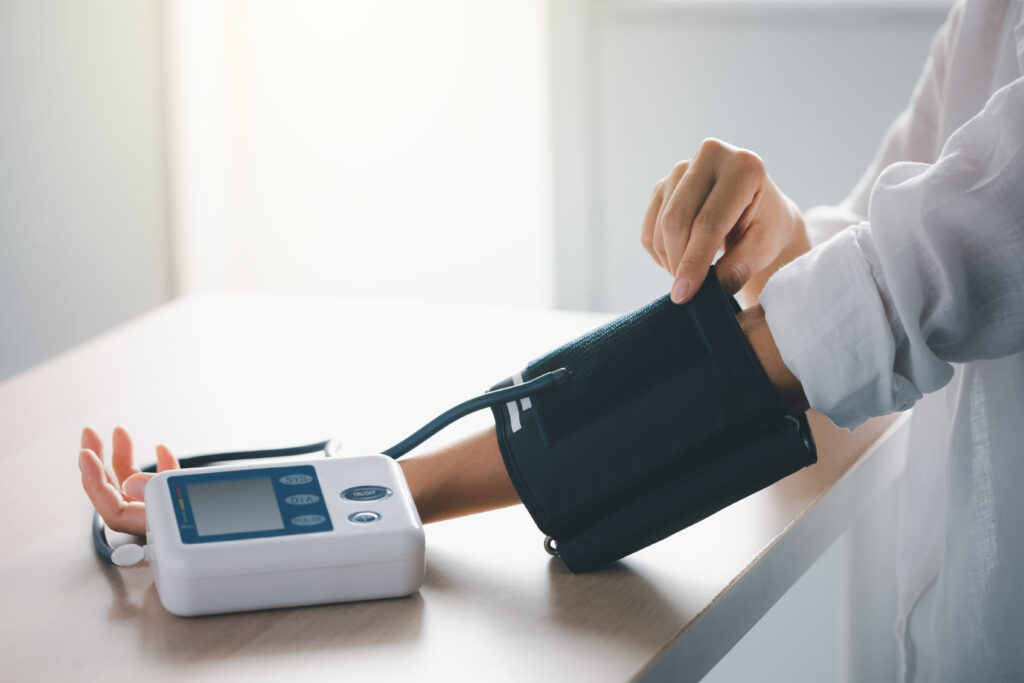
Green tea has been shown to have potential benefits for blood pressure management, but it can also have an adverse effect in some cases. The caffeine in green tea, although present in lower amounts than in coffee, can raise blood pressure, especially when consumed in excess. For people already dealing with high blood pressure or taking medication for hypertension, consuming too much green tea can cause blood pressure fluctuations, leading to dizziness or lightheadedness.
If you’re taking medication for high blood pressure, it’s important to monitor your green tea intake carefully. Stick to no more than one or two cups per day to prevent excessive caffeine intake, which can cause blood pressure spikes. If you experience dizziness or lightheadedness after drinking green tea, reducing your intake or consulting your doctor may be necessary to keep your blood pressure stable.