Baking rewards precision, patience, and a little kitchen discipline. A cake can collapse because the batter was mixed too aggressively, cookies can spread into puddles because the butter was too warm, and a pie crust can turn tough because the dough was handled like bread. We get better results when we stop treating baking like guesswork and start treating it like a quiet conversation between temperature, timing, ingredients, and technique.
The good news is that most baking disasters are predictable. Flat cakes, dry brownies, gritty frosting, scrambled custards, hard brown sugar, and crumb covered frosting usually come from small habits that are easy to correct. Once we understand the mistake behind the mess, the fix becomes simple enough to repeat every time.
Using Cold Butter When the Recipe Needs Softened Butter
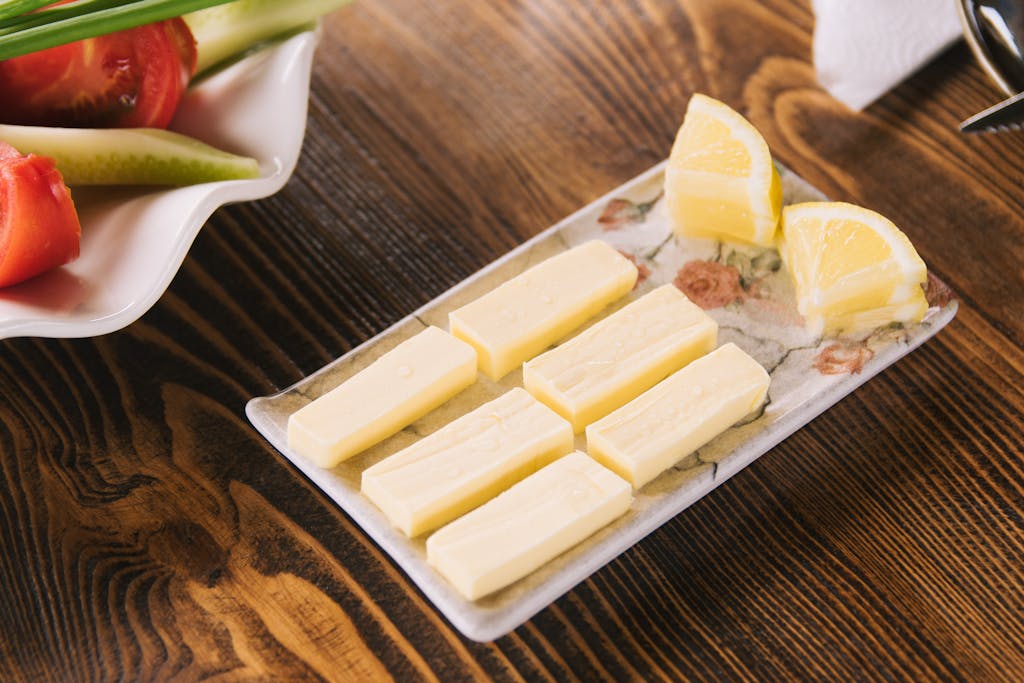
Butter temperature can make or break a bake before the mixer even starts. Softened butter should feel cool and flexible, not greasy, shiny, or half melted. When we cream properly softened butter with sugar, the mixture traps tiny air pockets that help cakes rise and cookies bake with better texture.
Cold butter cannot blend smoothly into sugar, so it leaves dense streaks and uneven pockets in the batter. Melted butter creates the opposite problem because it cannot hold air the same way, which often leads to flat cookies, heavy cakes, or greasy crumbs. The best test is simple: press the butter gently with a finger, and it should dent without collapsing.
Trusting the Oven Dial Without Checking the Real Temperature
Many ovens run hotter or cooler than the number on the dial. A cake baked in an oven that is too hot may brown quickly on the outside and stay underbaked in the center. Cookies can burn underneath before the tops look done, and custards can curdle before they set properly.
An inexpensive oven thermometer can save countless batches. Once we know the real temperature, we can adjust the setting or give the oven more time to stabilize. Preheating should mean the whole oven is ready, not just that the display has reached the target number.
Measuring Flour Straight From the Bag
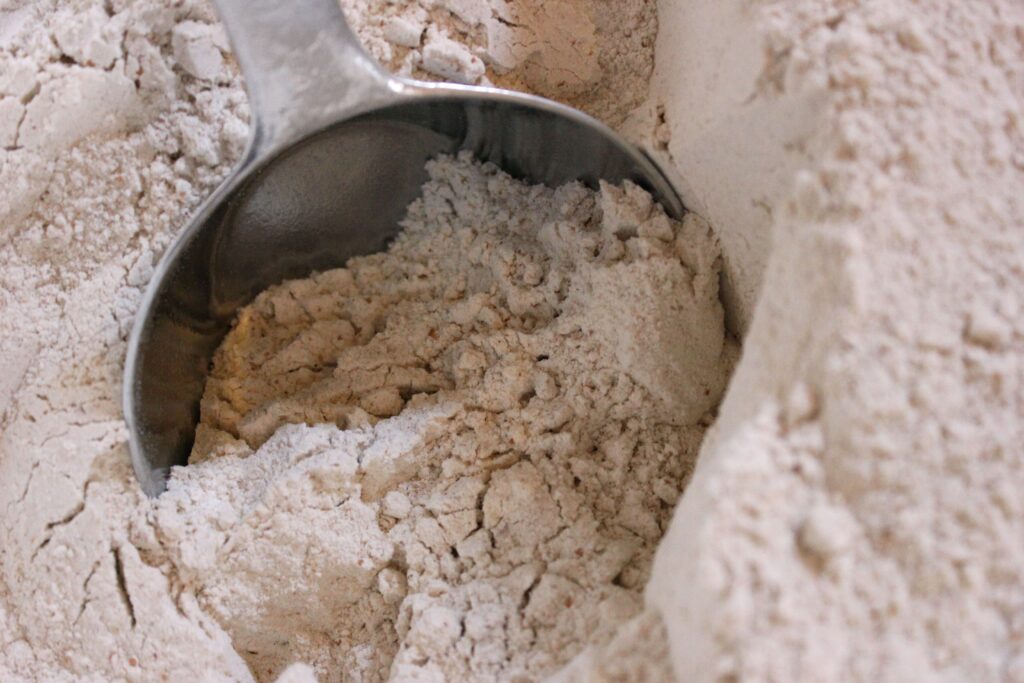
Too much flour is one of the fastest ways to make baked goods dry, tough, and disappointing. When we scoop flour directly from the bag with a measuring cup, the flour packs tightly and can add far more than the recipe intended. That extra flour quietly steals moisture from cakes, cookies, muffins, and pie dough.
A digital scale gives the most reliable result, especially for recipes that need accuracy. Without a scale, we should fluff the flour, spoon it into the measuring cup, then level it with a straight edge. This small habit can turn a dense muffin into a tender one and a dry cookie into one that actually tastes balanced.
Ignoring the Wet and Dry Ingredient Divide
The wet and dry ingredient divide matters because it controls how evenly ingredients spread through the batter. Dry ingredients like flour, cocoa powder, baking soda, baking powder, salt, and spices should usually be whisked together before they meet the wet mixture. That step helps avoid salty pockets, bitter baking soda spots, and uneven rising.
When we dump everything into one bowl without order, some ingredients can clump before they are fully distributed. Cocoa powder can form dry streaks, baking powder can sit in one area, and flour can overdevelop once liquid is added. Respecting the mixing order gives the batter a better chance to bake evenly from edge to center.
Baking Cakes Without Leveling the Heat Around the Pan
Domed cakes are common because the edges of the cake bake faster than the center. As the outer batter sets, the middle keeps rising, creating a rounded top that later needs trimming. This can waste cake, weaken layers, and make frosting harder than it needs to be.
Wrapping the outside of the pan with a damp cake strip or a clean damp towel helps the cake bake more evenly. The moisture slows the heat at the edges, allowing the center and sides to rise at a similar pace. This simple trick creates flatter layers, cleaner stacks, and a more professional looking cake without complicated tools.
Overmixing Cake Batter After Adding Flour
Cake batter is not bread dough, and it should never be treated like it needs strength. Once flour meets liquid, gluten begins to form, and too much mixing can create a firm, chewy texture instead of a soft crumb. This is why many cake recipes say to mix only until just combined.
Overmixed batter can also trap too much air, which may cause a cake to rise dramatically and then sink as it cools. A good habit is to stop the mixer before the batter looks perfectly smooth, then finish with a spatula by scraping the bowl gently. A few tiny streaks are easier to fix than a tough cake that has already baked.
Forgetting That Hot Pans Keep Cooking Food
Baked goods continue cooking after they leave the oven, especially on metal pans that hold heat. Cookies left too long on a hot sheet can move from chewy to crisp before anyone notices. Brownies can dry out at the edges, and biscuits can darken underneath.
Cooling instructions matter because they manage carryover heat. Some cookies need a few minutes on the pan to firm up before moving to a rack, but others should be transferred sooner. Cakes often need time in the pan so they do not break, then time on a wire rack so steam does not make them soggy.
Bringing Eggs to Room Temperature for the Wrong Reason
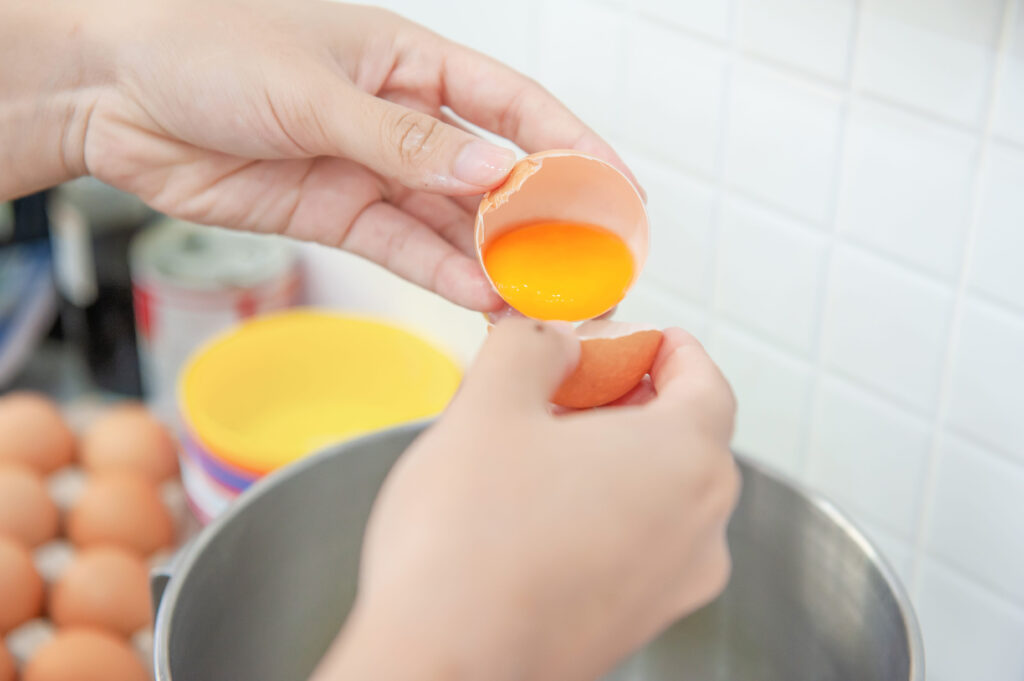
Room temperature eggs are useful in certain recipes, but they are not magic in every situation. They matter most when eggs need to whip, emulsify smoothly, or blend into softened butter without causing the mixture to curdle. Sponge cakes, meringues, and butter based batters often benefit from eggs that are not refrigerator cold.
For many simple cookies, brownies, and quick breads, cold eggs may not ruin the recipe. The bigger issue is consistency. If a recipe is built around room temperature ingredients, we should follow it because the batter will mix more smoothly and bake more evenly.
Chilling Cookie Dough When It Needs to Relax First
Cookie dough temperature affects shape, spread, and texture. Some doughs need chilling to control spreading, deepen flavor, and firm up the fat. Other doughs become too hard straight from the fridge, which can cause uneven baking or thick centers that do not spread enough.
For well shaped cookies, we should pay attention to the dough texture before baking. If it is rock hard, letting it sit briefly at room temperature can help the cookies bake more evenly. If it is greasy or too soft, chilling prevents flat, oily cookies that melt across the pan.
Using the Wrong Leavening for Cookie Texture
Baking powder and baking soda do different jobs, and they change cookie texture in noticeable ways. Baking soda usually encourages spreading and browning, especially when acidic ingredients are present. Baking powder can create a puffier, cakier cookie because it provides lift in a different way.
When cookies turn out too flat, too cakey, or too dense, the leavening may be part of the problem. We should avoid swapping baking soda and baking powder as though they are the same ingredient. A small spoonful can completely change the personality of the cookie.
Opening the Oven Door Too Often
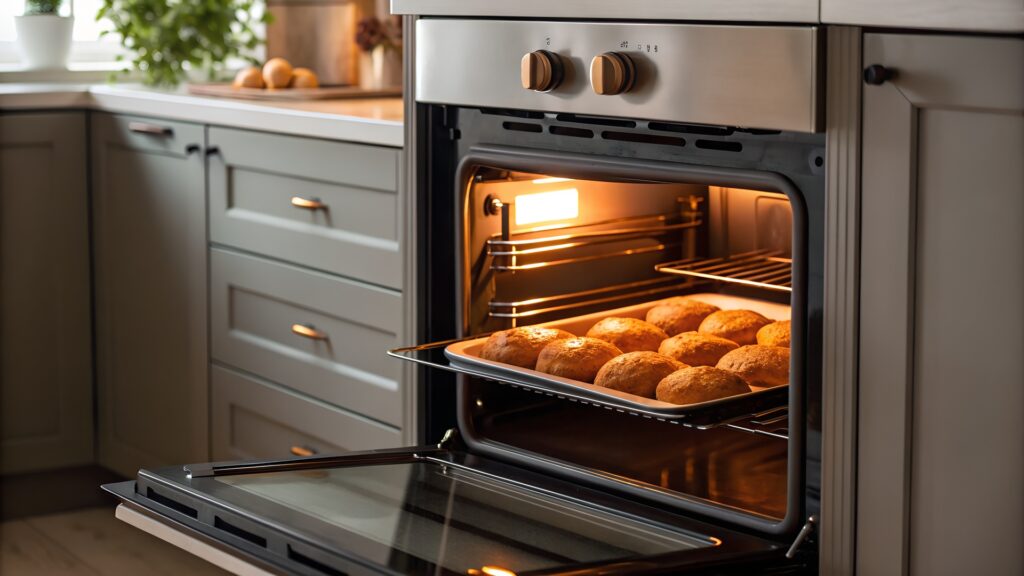
Peeking feels harmless, but every open oven door lets heat escape and changes the baking environment. Cakes, soufflés, cheesecakes, custards, and delicate pastries are especially sensitive to sudden drops in temperature. A bake that needs steady heat can sink, crack, or turn gummy when the oven is disturbed too early.
The oven light is there for a reason, and we should use it during the first stretch of baking. If a recipe says bake for thirty minutes, checking at the ten minute mark usually does more harm than good. It is better to wait until the structure has set, then test near the lower end of the recommended baking time.
Treating Gluten Free Flour Like Regular Flour
Gluten free baking needs structure, and all purpose gluten free flour blends are not identical. Some contain binders such as xanthan gum or guar gum, and others do not. Without a binder, cakes, cookies, and muffins can crumble, feel sandy, or fall apart after cooling.
Reading the ingredient label matters before replacing wheat flour. If a blend does not contain a binder, the recipe may need one added separately. It is also wise to use recipes developed for gluten free flour instead of forcing a direct swap in a delicate cake or pastry.