Perennials you’ll regret planting in your garden can look charming at first, but these aggressive growers may spread fast, crowd out other plants, damage trees, or create years of removal work.
Perennials are supposed to make gardening easier. We plant them once, expect them to return each year, and hope they reward us with dependable flowers, foliage, fragrance, or ground cover. The trouble begins when a “reliable” perennial becomes too reliable, spreading beyond its assigned bed, slipping into lawns, climbing trees, or forming thick mats that choke out the plants we actually wanted.
Not every fast-growing perennial is officially invasive in every region, but we still need to treat aggressive plants with caution. An invasive species is generally understood as a non native species that can cause environmental, economic, or health harm, and ornamental plants can become invasive after escaping cultivation. That means the smartest garden choice is not just asking whether a plant is pretty, but asking how it spreads, how hard it is to remove, and whether local experts recommend avoiding it.
Lily of the Valley
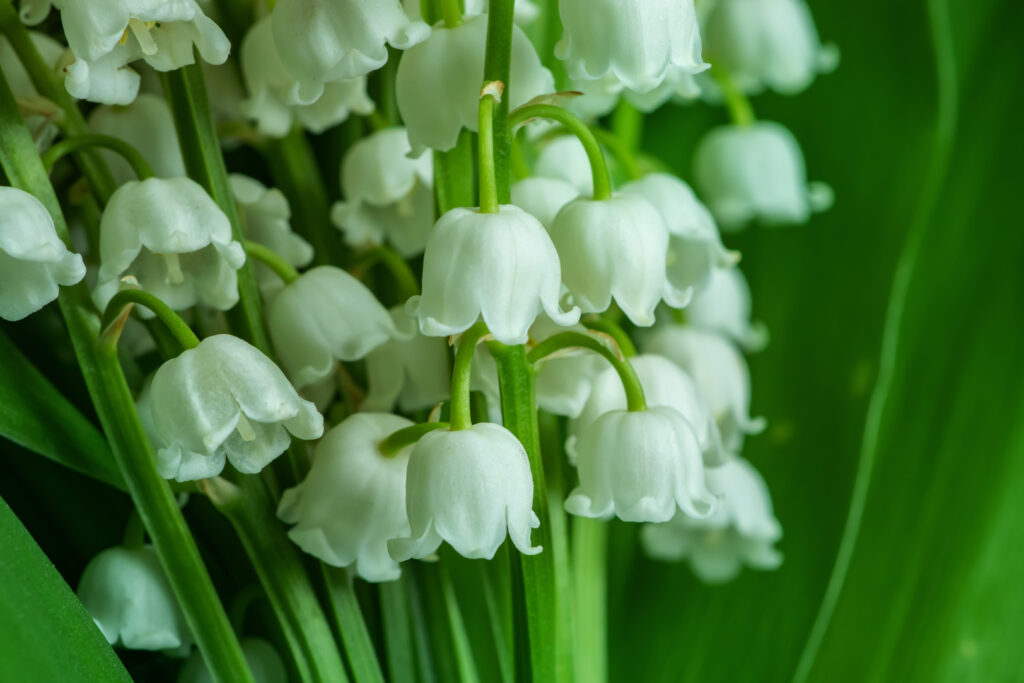
Lily of the valley looks innocent because its white, bell-shaped flowers are delicate, fragrant, and nostalgic. In shady gardens, though, this perennial can behave like a quiet takeover artist. It spreads through dense rhizomes, and in ideal conditions, those underground stems can form colonies that choke out neighboring plants. Purdue describes it as a “garden thug” because of its aggressive spreading nature in shady, moist, rich, well-drained gardens.
We should be especially careful with lily of the valley in woodland-style beds, under shrubs, and along foundations where it can spread unnoticed. North Carolina Extension notes that it is a rhizomatous perennial native to Eurasia and that, under ideal growing conditions, its dense rhizomes can spread and choke out other plants. It is also reported as invasive in Wisconsin and Arkansas and may become weedy in moist, cool winter climates.
The better approach is to use native shade plants that fill space without creating the same removal headache. Foamflower, wild ginger, woodland phlox, sedges, and native violets can add texture and seasonal interest to a shaded bed. We get the soft woodland look without creating a root mat that punishes us every spring.
English Ivy
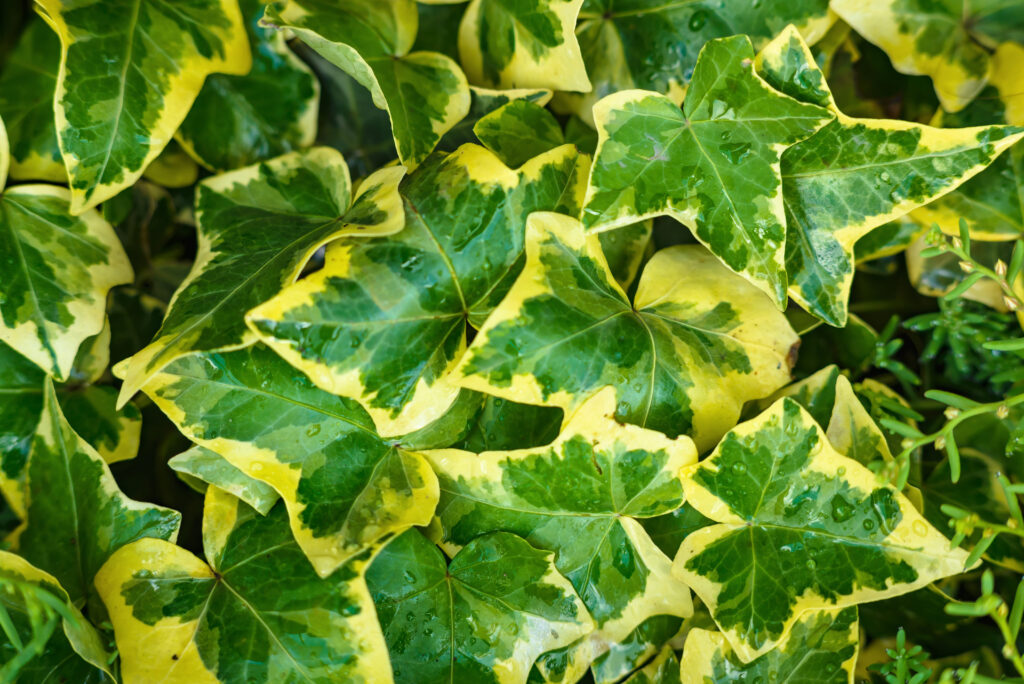
English ivy has a cottage-garden image, but outdoors it can become one of the most regrettable perennials in the landscape. It was widely planted as a ground cover, then escaped into natural areas where it now threatens many ecosystems. University of Maryland Extension notes that English ivy has covered forest floors, encircled trees, invaded hedgerows, and spread into field edges and salt marshes in Maryland.
The damage becomes more serious when ivy climbs. The vines can envelop branches and twigs, blocking sunlight from the tree foliage and interfering with photosynthesis. Heavy growth can also become weighted by snow and ice, increasing the risk of broken limbs and falling trees. As a ground cover, dense mats can hide puddles and soggy soil, creating mosquito habitat.
We should avoid planting English ivy outdoors, especially near woodlands, older trees, brickwork, fences, and neighboring properties. Better choices depend on region, but native ginger, green and gold, Pennsylvania sedge, creeping phlox, coral bells, and woodland asters can offer ground-level coverage with far less ecological risk. The key is choosing a plant that covers the soil without climbing everything around it.
Periwinkle
Periwinkle, also called vinca, wins gardeners over with evergreen foliage, quick growth, and purple to white spring flowers. It seems like the perfect low-effort solution for bare shade. The problem is that this ground cover does not always stay where we place it. University of Maryland Extension warns that periwinkle has escaped into natural areas where it crowds out wildflowers and other herbaceous natives.
Its spreading method makes it especially troublesome. Periwinkle roots at nodes and tips, and it can also spread from root pieces. That means cleanup can become frustrating when small pieces remain in the soil and start again. Extension guidance says it is appropriate in home landscapes only when monitored and kept far from natural areas.
We should not treat periwinkle as a harmless filler plant. In tight urban beds far from natural areas, some gardeners may manage it with constant edging and removal. In suburban, woodland, streamside, or rural gardens, we are usually better served by native sedges, foamflower, wild strawberry, creeping phlox, or other regionally recommended ground covers.
Chameleon Plant
The chameleon plant is one of the most deceptive perennials because its colorful foliage makes it look like a clever design choice. It can bring red, cream, green, and yellow tones to a damp or awkward corner, which is exactly why gardeners buy it. Then the roots begin their real work underground. Once established, this plant can become extremely difficult to remove because it spreads by underground rhizomes and regrows from missed pieces.
University of Maine Extension describes the chameleon plant as a problematic spreader and a difficult visitor to remove once established. Physical removal requires careful digging to remove all subsurface parts, followed by vigilant monitoring for new sprouts. Missed rhizomes or broken rhizome fragments can regrow, which means one careless cleanup can turn into several seasons of follow-up work.
We should avoid planting chameleon plant directly in garden beds, especially mixed perennial beds where it can tangle with valuable plants. If a bed already contains it, removal often means sacrificing nearby perennials, digging deeply, and watching the area for regrowth. For colorful foliage, we can use coral bells, coleus in seasonal containers, variegated sedges, or regionally safe native plants that add contrast without sending runners through the whole bed.
Japanese Honeysuckle
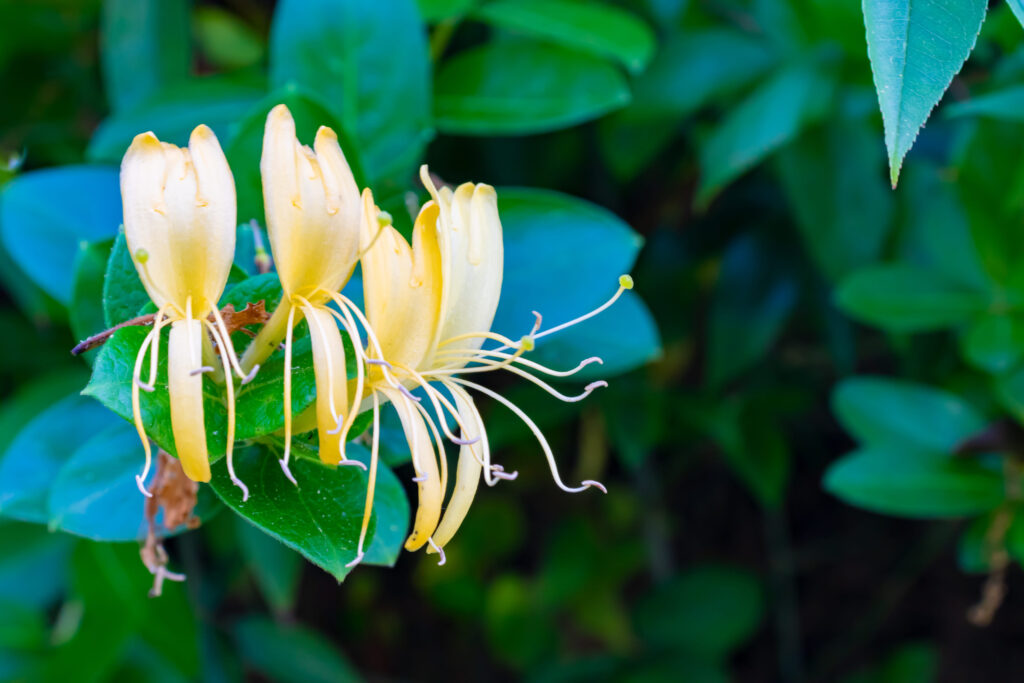
Japanese honeysuckle has fragrant flowers and a romantic vine habit, but it is a poor bargain for most gardens. It was introduced to the United States in the early nineteenth century for ornamental and erosion-control uses, but later escaped cultivation and spread widely. University of Maryland Extension describes it as shade-tolerant and capable of smothering and killing native ground-level vegetation. It can also kill shrubs and saplings by girdling.
This vine becomes dangerous because it climbs by twining around objects. It forms dense mats on the ground and can climb vertically into trees and shrubs, where it competes for light and space. Extension guidance notes that vines can grow more than 30 feet per year and can also spread through berries carried by birds and other animals.
We should choose native honeysuckles or other regionally recommended flowering vines instead of Japanese honeysuckle. Coral honeysuckle is a better option in many parts of the United States because it brings tubular flowers and wildlife value without the same invasive reputation. A vine should decorate a trellis, not turn the trellis, fence, shrub, and nearest tree into one tangled mass.
Mint
Mint is useful, fragrant, edible, and easy to love. That is why so many gardeners plant it directly in the soil, only to later regret it. The University of Maryland Extension states that mints are perennial herbs that spread aggressively and recommends growing them in containers to prevent them from taking over the garden.
The problem is not that mint is a bad plant. The problem is that mint behaves badly when given open ground. Utah State University Extension explains that mint spreads quickly in open garden areas, can outcompete most garden plants, and becomes very hard to eradicate once established.
We can still grow mint successfully by treating it like a contained crop. A pot on a patio, a raised container, or a dedicated planter keeps the harvest close and the roots controlled. We should also trim runners before they creep over the pot edge and root into the soil around it. Mint is wonderful in tea, sauces, salads, and summer drinks, but it should not be allowed to write its own map across the garden.
Purple Loosestrife
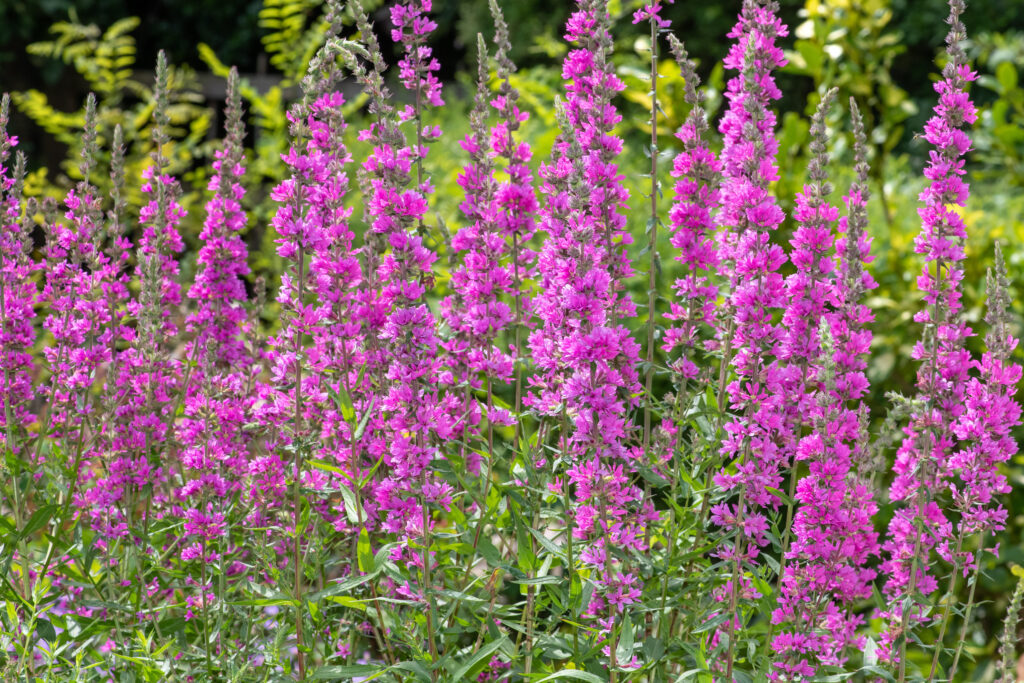
Purple loosestrife produces dramatic purple flower spikes, but beauty does not make it safe. This plant is a serious wetland invader in many regions. The University of Minnesota Extension lists purple loosestrife as a prohibited invasive species and a noxious weed, meaning its spread must be prevented. It can invade wet meadows, stream banks, pond edges, lake edges, and ditches, where populations can expand quickly into dense stands that crowd out native vegetation.
The seed problem is alarming. Minnesota Extension notes that purple loosestrife can produce up to 300,000 seeds per stem each year, with seeds remaining viable for up to twenty years. Wisconsin Horticulture reports that the plant can produce more than 2 million tiny seeds per plant and spreads aggressively via rhizomes, making it difficult to remove once established.
We should never plant purple loosestrife as an ornamental perennial. In areas where it is regulated, gardeners may need to report it or follow local control guidance. Better purple blooming alternatives include blazing star, purple coneflower, bee balm, where appropriate, salvia, obedient plant cultivars selected for better behavior, and native vervain species chosen for the local region.