A tidy garden can sometimes become a little too tidy for its own good. Those dry seed heads, fading blooms, and slightly wild stems may look like garden clutter, but many of them are doing quiet work after the flowers fade. Some feed birds. Some help plants reseed naturally. Some protect next year’s growth. If you cut everything back too early, you may rob your garden of texture, wildlife value, and surprise blooms next season.
Deadheading has its place, especially for plants that keep producing fresh flowers after old blooms are removed. Still, some plants deserve patience. These uncommon garden favorites look better, grow stronger, or support more wildlife when you leave them standing until summer is truly over.
Rattlesnake master
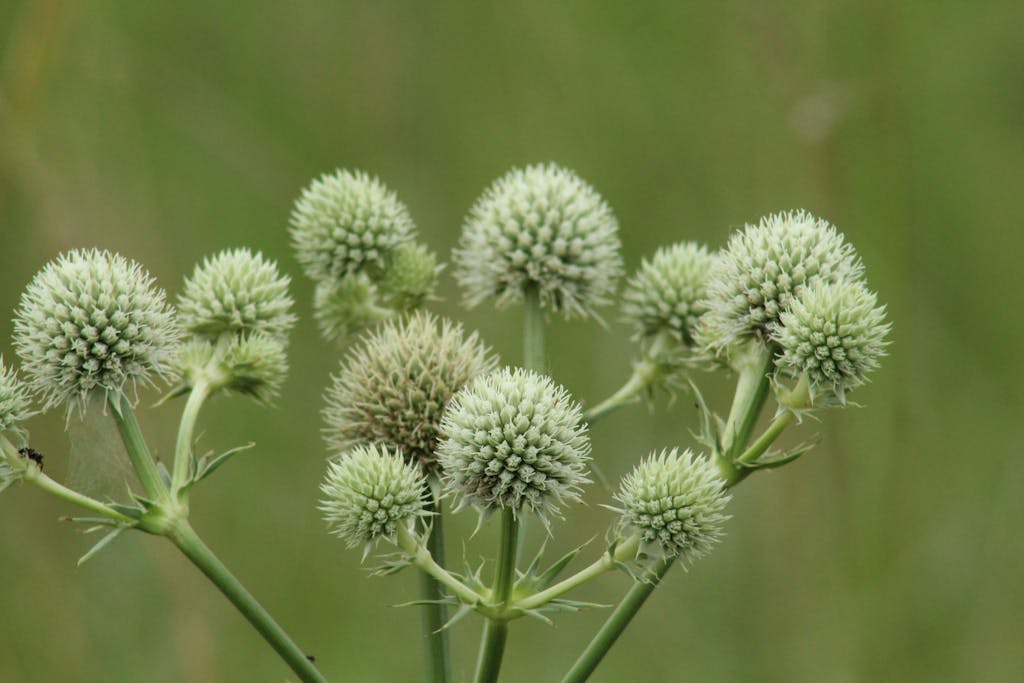
Rattlesnake master is the kind of plant that makes people stop and ask questions. Its spiky, silver-green leaves and round, thistle-like flower heads give the garden a sculptural look long after peak bloom. Cutting it too soon removes one of its best features, which is its dramatic seed structure. Those pale, globe-shaped heads add texture to late-summer borders, especially beside softer plants like grasses, asters, and coneflowers.
This plant also supports pollinators during bloom and keeps visual interest after the flowers fade. Instead of rushing in with shears, leave the heads standing until they brown fully and begin to loosen naturally. In a naturalistic garden, rattlesnake master looks even better as the season ages. Deadheading too early turns a bold architectural plant into a missed opportunity.
Sea holly
Sea holly looks almost unreal in the garden, with metallic blue stems, prickly bracts, and cone-shaped flower centers. Many gardeners cut it too soon because the color starts to fade, but that faded stage still has value. The dried heads hold their shape beautifully and can make the border look polished rather than neglected. They also work well in dried flower arrangements if you clip them after they dry.
This plant thrives in lean soil and requires little fuss. If you deadhead sea holly too early, you lose its late-season structure and its ability to self-seed lightly in the right spot. Leave it standing through the end of summer, then decide which stems to cut for dried arrangements and which to let remain for garden interest. It is one of those plants that proves brown does not always mean ugly.
Love in a mist
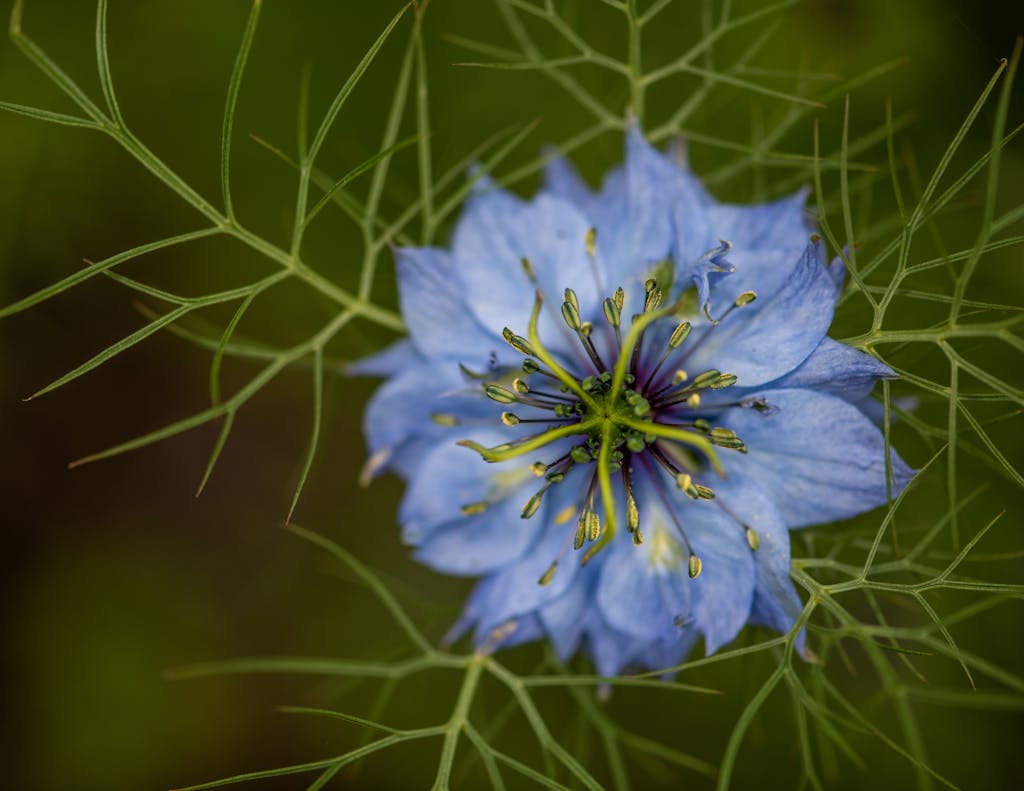
Love-in-a-mist earns its name with its soft, airy foliage and delicate blue, white, or pink flowers. The real surprise comes after flowering, when the plant forms balloon-like seed pods that look almost as pretty as the blooms. Deadheading too quickly removes those charming pods before they can ripen. That is a shame because they are one of the main reasons gardeners grow this plant.
If you want love in a mist to return next year, let at least some seed pods stay in place. The plant often self-sows gently, creating a dreamy cottage garden effect without much effort. You can remove a few untidy stems, but leave the strongest pods standing until they dry. The reward is a softer, fuller garden the following season.
Blackberry lily
Blackberry lily is not as common as daylilies or irises, but it deserves more attention. Its orange-speckled flowers are lovely in summer, yet its seed stage may be even more interesting. After blooming, the plant forms pods that split open to reveal shiny black seeds that look like tiny blackberries. Cutting the stems too early means losing that unusual late-season display.
These seed clusters bring a quirky, ornamental touch to the garden when many flowers begin to fade. They also allow the plant to reseed when conditions are favorable. Instead of treating blackberry lily like a spent flower, think of it as a plant with two acts. The flowers bring color first, then the seed heads bring drama.
Balloon flower
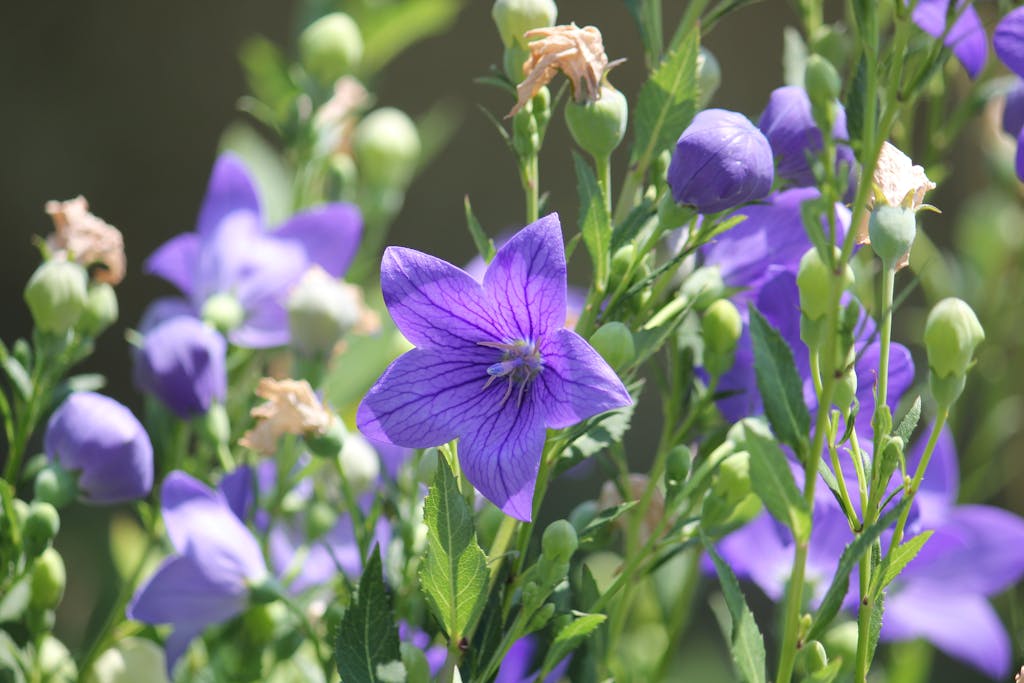
Balloon flower gets its name from the puffed buds that swell before opening into star-shaped blooms. It can benefit from light deadheading early in the season, but aggressive cutting near the end of summer can be a mistake. The plant often needs time to finish its natural cycle and store energy. Too much late trimming can leave it weaker going into cooler weather.
For an uncommon perennial with such neat habits, balloon flower requires minimal cleanup. Once the main flush slows, remove only stems that look truly messy or diseased. Leave healthier stems alone until the plant naturally declines. This gentler approach protects the crown and keeps the plant ready for a strong return.
Japanese anemone
Japanese anemone blooms later than many summer perennials, so cutting it back too early can ruin the show. Its elegant pink or white flowers often arrive just when the garden begins to look tired. After flowering, the seed heads can turn fluffy and attractive, adding movement and softness to the border. Deadheading too soon takes away both late flowers and late texture.
This plant is especially useful in part shade, where late-season color can be hard to find. Give it room to finish blooming before you clean it up. If it spreads more than you like, control it in fall or spring instead of chopping it during active bloom. Japanese anemone rewards patience with a graceful finish to summer.
Gas plant
Gas plant is an old-fashioned perennial that many modern gardens overlook. It produces upright flower spikes and glossy foliage, and it can live for years once settled. The plant dislikes disturbance, so constant cutting and fussing can do more harm than good. After flowering, the seed pods add interest and help the plant complete its cycle.
Because gas plant grows slowly, it deserves a light hand. Do not rush to deadhead every fading bloom as if it were a bedding annual. Let the stems mature through late summer, then clean up only when they have fully dried. This protects the plant’s rhythm and keeps the garden from looking stripped bare.
Prairie smoke
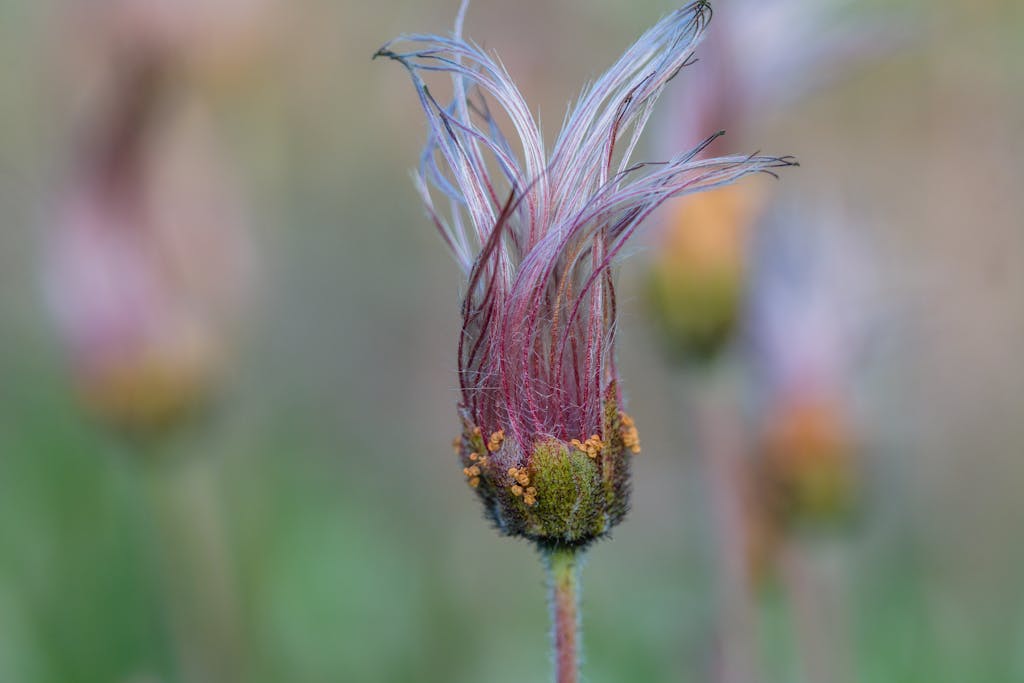
Prairie smoke is one of the most enchanting native plants for gardeners who like unusual textures. Its nodding flowers turn into wispy, pinkish seed plumes that look like smoke drifting across the soil. Cutting off the flowers too early removes the most beautiful part of the plant’s display. The seed stage is what makes this plant feel so magical.
Prairie smoke works well in rock gardens, native borders, and dry sunny spaces. It does not need constant grooming to look good. Let the feathery seed heads develop fully, especially if you want the plant to spread a little. A too neat hand can flatten its charm before the best part arrives.
Turtlehead
Turtlehead is an underrated late summer perennial with snapdragon-like blooms that often appear in pink or white. It grows well in moist soil and brings color when many other plants begin to slow down. Deadheading before summer ends can shorten its bloom period and reduce its usefulness to pollinators. It is a plant that looks modest at first, then becomes valuable when the garden needs a second wind.
Let turtlehead finish flowering before you tidy it. The stems also give the garden a sturdy, upright shape late in the season. Once the blooms fade fully and the plant begins to yellow, you can cut it back with confidence. Until then, leave it alone and let it do its quiet work.
Conclusion
The biggest deadheading mistake is treating every fading flower the same way. Some plants need regular clipping to stay fresh, while others shine when allowed to age naturally. Rattlesnake master, sea holly, love in a mist, blackberry lily, balloon flower, Japanese anemone, gas plant, prairie smoke, and turtlehead all offer more than their first bloom.
A good late summer garden does not have to look perfectly shaved and spotless. It can look layered, alive, and a little wild in the right places. Before you cut, ask what the plant is still offering. Sometimes the smartest move is to put the shears down and let the garden finish its story.