Belly fat has become one of the most misunderstood health topics on the internet. We see it packaged as a beauty problem, a willpower problem, a detox problem, or a punishment for eating one “bad” food, but the truth is more layered and far more useful. The fat around the abdomen can include soft subcutaneous fat just under the skin and deeper visceral fat that sits around internal organs, and that difference matters because visceral fat carries stronger links to metabolic and cardiovascular risk.
We need a clearer conversation because belly fat myths send people toward the wrong solutions. Crunches, waist trainers, harsh cleanses, miracle teas, and panic-driven diets often make the issue feel urgent without making it easier to solve. A better approach starts by separating body-shaming from health literacy, because a larger waist does not define a person’s worth, yet abdominal fat can still be a useful signal worth paying attention to. More than 2 in 5 U.S. adults have obesity, and many adults with obesity also live with serious chronic diseases such as diabetes and heart disease, so the topic deserves honesty instead of gimmicks.
Belly fat is not all the same kind of fat.

One major misconception is that all belly fat behaves the same way. The soft layer we can pinch is subcutaneous fat, and it sits just beneath the skin. Visceral fat sits deeper in the abdomen, surrounding organs such as the liver, stomach, and intestines. Mayo Clinic explains that excess visceral fat is strongly linked to a higher risk of serious health problems, which is why waist size can sometimes tell us more than appearance alone.
This distinction changes the entire conversation. A person can dislike the look of a soft belly, but the health concern often comes from the deeper fat we cannot see or pinch. Harvard Health describes visceral fat as more biologically active than subcutaneous fat because it produces more inflammatory proteins called cytokines and can influence blood pressure through compounds that constrict blood vessels. That means belly fat is not simply “stored calories” sitting quietly under a shirt; in excess, it can act more like an endocrine organ that talks to the rest of the body.
A flat stomach always means better health.

Another common myth is that a flat stomach automatically equals good health. Some people naturally store less fat around the waist because of genetics, age, sex hormones, activity level, or body shape. Others may look lean but still have metabolic issues such as high blood pressure, high triglycerides, low HDL cholesterol, insulin resistance, or excess liver fat. BMI also has limits because it does not directly measure body fat or show where fat is stored.
This is why we should avoid judging health by a mirror alone. A smaller waist may reduce certain risks, but real health also includes blood pressure, fasting glucose, cholesterol, sleep quality, strength, stamina, medication history, family history, and lifestyle patterns. A person with visible belly fat can improve health markers through movement, better nutrition, sleep, and medical care, even before dramatic weight loss appears. The goal should be metabolic improvement, not a perfect abdomen.
Crunches cannot melt belly fat by themselves.
The idea that we can burn belly fat by training only the abdominal muscles remains one of the most profitable myths in fitness. Sit-ups, planks, and crunches can strengthen the core, improve posture, support the lower back, and make daily movement easier. They do not, by themselves, force the body to pull fat only from the stomach. Fat loss occurs through broader energy balance and metabolic changes, not through a direct request sent from one muscle group to the fat above it.
That does not mean core training is useless. It means we should place it in the right role. A strong core helps us move better, lift safely, and maintain balance, but reducing visceral fat usually requires a wider plan that combines regular physical activity, a healthy eating pattern, better sleep, and consistency. Research comparing exercise approaches has found that aerobic training can reduce visceral fat, and resistance training can still support body composition by helping preserve or build muscle.
Waist size can reveal risks that weight misses.
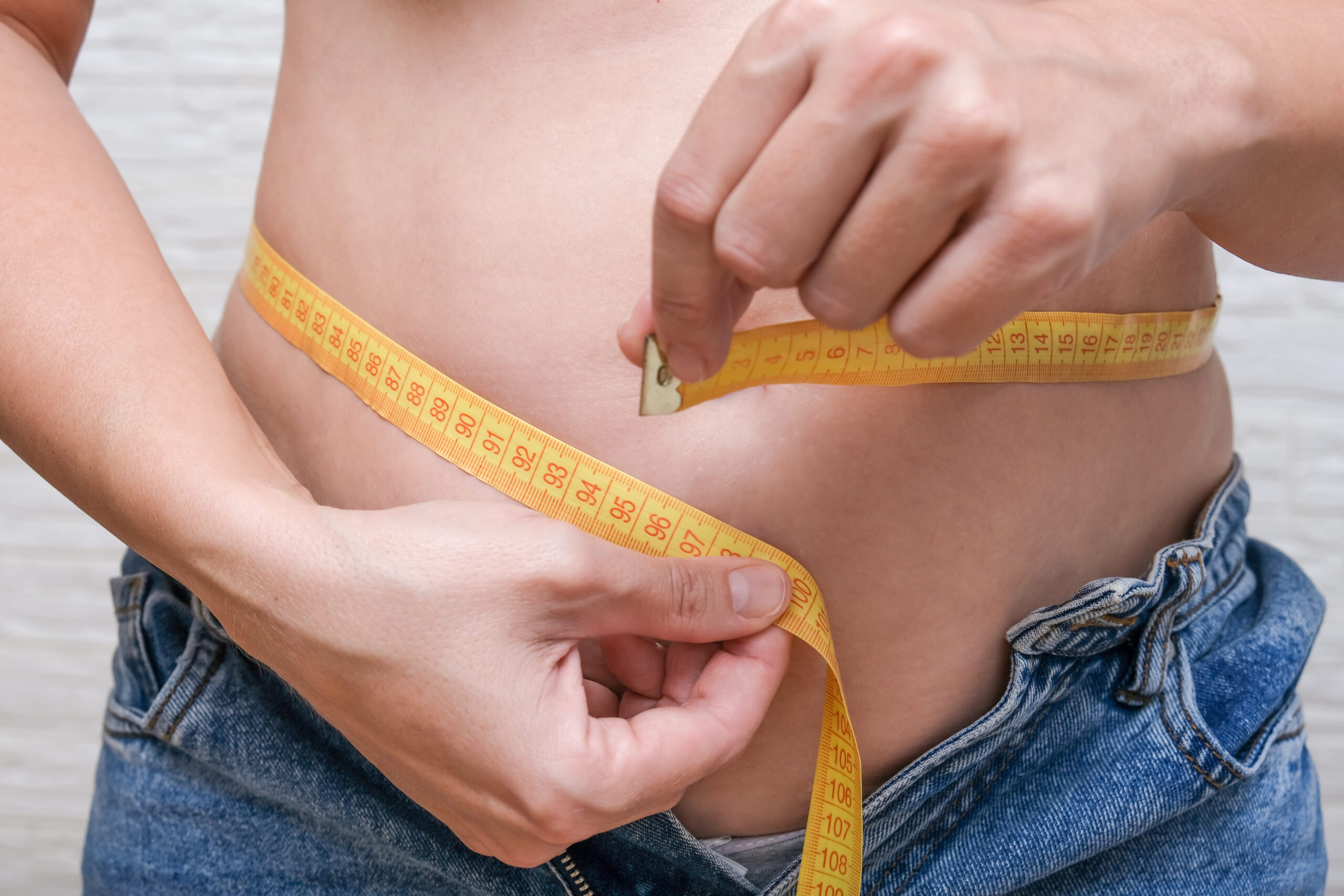
Many people focus only on the scale, but belly fat is also about distribution. Two people can weigh the same yet have very different health profiles because one stores more fat around the abdomen, while the other stores more around the hips, thighs, or under the skin. The National Heart, Lung, and Blood Institute uses waist circumference as one of the clinical measures associated with metabolic syndrome, with abdominal obesity typically defined as more than 40 inches for men and more than 35 inches for women, though cutoffs can vary by race and ethnicity.
This does not make the tape measure a moral scoreboard. It makes it a practical clue. If waist size is rising along with blood pressure, fasting glucose, triglycerides, or fatigue, we should treat that as useful information rather than shame. A waist measurement can help people spot risk earlier, especially when the bathroom scale barely moves. It also reminds us that weight loss is not the only metric that matters because losing inches around the waist can signal meaningful changes in visceral fat.
Diet quality matters more than avoiding a single forbidden food.
Belly fat is often blamed on one villain, such as bread, bananas, rice, dairy, or late-night snacks. That framing sounds simple, but it usually misses the bigger pattern. A diet that regularly overloads the body with sugary drinks, refined carbohydrates, excess calories, low fiber, and ultra-processed foods can make abdominal fat harder to manage. Harvard’s Nutrition Source notes that sugar-sweetened drinks are strongly linked with type 2 diabetes risk, and replacing sugary drinks or fruit juice with water is associated with lower long-term weight gain.
We do not need to demonize every carbohydrate to reduce belly fat. The smarter move is to upgrade the package that the carbohydrate comes in. Beans, oats, lentils, berries, vegetables, potatoes with the skin, and whole grains bring fiber, water, minerals, and satiety. Pastries, sweet drinks, candy, and many packaged snacks tend to deliver fast calories with less fullness. The body responds differently to a high-fiber meal than it does to a liquid sugar rush, even when both technically contain carbohydrates.
Sugar drinks are a bigger belly fat trap than many people think.
Sugary drinks deserve special attention because they are easy to consume quickly and are poor at creating a sense of fullness. Soda, sweet tea, energy drinks, sweetened coffee drinks, sports drinks, and many bottled fruit beverages can add a large amount of sugar without feeling like a meal. A study published in the American Heart Association journal Circulation linked higher intake of sugar-sweetened beverages with greater visceral fat accumulation over time.
This does not mean one soda ruins a person’s health. The problem is the daily habit that quietly becomes normal. Liquid calories slip past appetite signals, and the sugar load can worsen blood glucose swings, hunger, and cravings for more quick energy. Swapping even one daily sugary drink for water, unsweetened tea, sparkling water, or coffee with less sugar can reduce weekly calorie intake without requiring a dramatic diet overhaul. For many people, that one change is more realistic than trying to eat perfectly.
Menopause can change where fat is stored.
Many women notice that belly fat increases with age, even when their habits have not changed much. That is not imaginary, and it is not a personal failure. Mayo Clinic explains that lower estrogen levels after menopause appear to influence where fat is stored, making abdominal weight gain more likely. Aging also leads to muscle loss, and less muscle can slow the rate at which the body burns calories.
This is why the same routine that worked at 30 may feel weaker at 50. The solution is not punishment; it is adaptation. Strength training becomes more important because muscle supports mobility, glucose control, and resting energy use. Protein, fiber, sleep, and regular movement matter more because the body may become less forgiving of skipped meals, sedentary days, and stress eating. We should treat midlife belly fat as a signal to adjust the plan, not as proof that the body is broken.
Stress can prompt the body to store fat in the abdomen.
Stress is often discussed as a mood issue, but it also affects appetite, cravings, sleep, hormones, and fat distribution. Research has linked chronic stress and cortisol patterns to abdominal fat, and long-term cortisol levels appear particularly associated with increased abdominal fat mass.
The practical point is that stress alone does not cause belly fat in everyone. It is that stress can make the usual triggers stronger. A tired, tense person is more likely to crave high-sugar, high-fat foods, skip workouts, sleep poorly, and eat quickly. One study found that chronic stress combined with a high-sugar or high-fat diet may be a stronger driver of visceral adiposity than diet alone. This makes stress management part of belly fat management, not a luxury add-on.
Poor sleep can make it harder to lose belly fat.

Sleep is another overlooked piece of the belly fat puzzle. Short sleep can alter hunger hormones, reduce motivation to move, increase cravings, and make the body less efficient at handling glucose. A longitudinal study in adults linked sleep duration to visceral fat accumulation and glucose changes, showing that sleep belongs in the metabolic conversation.
Better sleep does not replace nutrition or exercise, but it makes both easier. A person who sleeps five hours may need more discipline to resist cravings than someone who sleeps seven or eight. Poor sleep also reduces workout quality, recovery, and mood regulation. If we talk about belly fat without discussing sleep, we ignore one of the quiet forces that shape hunger and energy every day.
Starvation diets often backfire
Severe dieting looks powerful at first because the scale can drop quickly. Much of that early change may come from water, glycogen, and reduced food volume rather than lasting fat loss. The bigger problem is that harsh restrictions can increase hunger, reduce energy, trigger overeating, and increase the likelihood of muscle loss if protein and resistance training are too low. A smaller body that has lost muscle may burn fewer calories, making weight regain easier.
A more effective plan usually looks less dramatic. We build meals around lean protein, high-fiber carbohydrates, vegetables, fruit, and healthy fats, then create a modest calorie deficit we can actually maintain. Harvard Health has highlighted that aiming for 30 grams of fiber per day helps people lose weight, lower blood pressure, and improve insulin response, according to one study.
Belly fat is not only about eating too much.

Calories matter, but belly fat is not just about overeating. Genetics, sleep, stress, menopause, medications, alcohol intake, muscle mass, insulin resistance, and daily movement all shape where fat goes and how easily it comes off. This is why two people can follow similar diets and see different changes in waist size. The body is not a calculator with a personality; it is a living system influenced by hormones, habits, environment, and time.
This matters because shame-based advice often fails. Telling people to “just eat less” ignores the reasons they may be hungry, exhausted, sedentary, insulin resistant, stressed, or stuck in a food environment built around convenience. Better advice looks at patterns. We ask whether meals contain enough protein and fiber, whether drinks add hidden sugar, whether movement happens daily, whether sleep is consistent, and whether stress is driving evening snacking.
Alcohol can quietly widen the waist.
Alcohol is often left out of belly fat conversations because many people do not count drinks the same way they count food. Yet alcohol can add calories quickly, lower inhibition around late-night eating, disrupt sleep, and interfere with recovery. Beer is not the only concern. Wine, cocktails, sweet mixers, hard seltzers, and spirits can all contribute, depending on frequency, portion size, and the context of the drinking habit.
The issue is rarely one drink at a celebration. It is the routine that becomes invisible. A few drinks several nights a week can add up, especially when paired with salty snacks, takeout, poor sleep, and lower next-day activity. Reducing alcohol often helps people sleep better, snack less, and cut calories without feeling like they are following a strict diet. For belly fat, that combination can matter more than the drink label itself.
Strength training matters because muscle changes the equation
Many belly fat plans overfocus on cardio and underuse strength training. Cardio helps burn energy and improve heart health, but muscle is metabolically valuable tissue. As we age, we tend to lose muscle, especially without resistance exercise, and that can make body composition harder to manage. Mayo Clinic notes that age-related muscle loss can slow calorie use, making healthy weight maintenance more challenging.
Strength training does not need to mean extreme lifting. Squats, lunges, rows, presses, deadlifts, pushups, resistance bands, machines, and bodyweight progressions all count when they challenge the muscles safely. A stronger body often handles glucose better, moves more comfortably, and burns more energy throughout the day. For belly fat, we should think beyond “burning calories” and build a body that is harder to push into metabolic trouble.
Walking is more powerful than it looks.
Walking gets dismissed because it feels too simple, but consistency beats intensity that disappears after two weeks. A brisk walk after meals can support blood sugar control, increase daily energy use, reduce stress, and improve digestion. For people who feel intimidated by gyms or high-intensity workouts, walking is one of the best entry points because it is flexible, low-cost, and easier to repeat.
The biggest benefit may be behavioral. Walking creates momentum. Someone who walks most days may sleep better, crave less, sit less, and feel more capable of making other health changes. That matters because belly fat responds to repeated signals, not heroic one-day efforts. The body pays attention to what we do most of the time.
Healthy fats do not automatically become belly fat.
A persistent myth says fat in food goes directly to fat on the stomach. The body does not work that simply. Nuts, olive oil, avocado, seeds, eggs, and fatty fish can fit into a healthy eating pattern because they bring satiety and valuable nutrients. The issue is portion size and total energy intake, not the mere presence of dietary fat.
The smarter question is: what fat source does it replace? Olive oil on vegetables is different from fries eaten with a sugary drink. Nuts eaten as a measured snack are different from mindlessly eating half a jar of nut butter. Healthy fats can help meals feel satisfying, but they are calorie-dense, so we should use them with intention rather than fear.
Carbs are not the enemy when fiber comes with them.
Many people cut carbohydrates completely because they believe carbs create belly fat. Refined carbs and sugary foods can absolutely make fat loss harder, especially when they are easy to overeat. Yet high-fiber carbohydrates can support fullness, gut health, and steadier blood sugar. Beans, lentils, oats, quinoa, brown rice, fruit, and vegetables are not the same metabolic experience as donuts, candy, and soda.
Fiber is especially important because it slows digestion and helps meals last longer. When we remove carbs without replacing fiber, many people end up constipated, hungry, irritable, and more likely to rebound. A better strategy is to reduce refined carbohydrates and increase fiber-rich ones. That gives the body useful fuel without creating the same cycle of spikes, crashes, and cravings.
Belly fat loss does not have to show up first on the scale.
People often quit too early because the scale moves slowly. Waist size, clothing fit, energy, blood pressure, fasting glucose, triglycerides, sleep, and stamina can improve before the mirror delivers dramatic proof. Visceral fat can respond to lifestyle changes, but these changes may not appear evenly across the body or at the same pace for everyone.
This is why tracking only weight can become discouraging. A person who gains muscle and loses fat may see smaller-scale changes but meaningful improvements in body composition. Another person may lose inches around the waist before losing many pounds. We should measure progress in several ways, since belly fat is part of a broader health picture.
The best belly fat plan is boring in the right ways.

The most reliable belly fat plan is not flashy. It usually includes protein at meals, high-fiber foods, fewer sugary drinks, regular walking, strength training, better sleep, stress management, and less alcohol. It also requires patience, because the habits that reduce visceral fat have to become routine enough to repeat. Harvard Health notes that a combination of a healthy diet and exercise is a strong approach for reducing visceral fat.
This boring plan works because it attacks the problem from several angles. Food reduces excess energy intake and improves insulin response. Exercise burns energy and builds muscle. Sleep regulates hunger and recovery. Stress management reduces the urge to eat for relief. None of these steps is magic alone, but together they create a body environment where belly fat becomes easier to reduce.