Food is meant to nourish us, but not all foods are created equal. Some contain hidden dangers that, when prepared or consumed incorrectly, could lead to serious illness or even death. While most of us enjoy our meals without a second thought, certain foods carry risks that are often underestimated. From toxic fish to the raw foods we love, the reality is that some of our favorite dishes could be life-threatening if not handled with care.
In this article, we will look at some foods that can be deadly if you don’t pay attention. Many of these risks are no secret, while others may only come as a shock. It could be improper preparation or the wrong food altogether; the risk is great. Let’s explore the realm of deadly foods and what you can do to prevent becoming a statistic.
Fugu (Pufferfish)

Of all the dangerous foods in the world, one of the most well-known is fugu, or pufferfish. The Japanese delicacy is poisoned with tetrodotoxin, a powerful neurotoxin that can be hundreds of times more toxic than cyanide. While chefs in Japan undergo years of training to prepare the fish and minimize the risk of poisoning properly, there’s always a risk. A minor error in preparation can prove to be deadly. There are still fugu accidents despite the careful measures, and it is one of the riskiest foods in the world.
Raw Cashews
If you’ve eaten a few cashews, you may not be aware of the fact that raw cashews are poisonous. Raw cashews are loaded with urushiol, the same toxic substance present in poison ivy, whereas roasted cashews do not have this same toxin. Raw cashews can cause severe allergic reactions, rashes, and, in rare cases, death if consumed. This is why raw cashews will never be sold directly to the consumer. When cooking, always roast or steam them to neutralize the toxins. Don’t risk eating them raw.
Raw Eggs
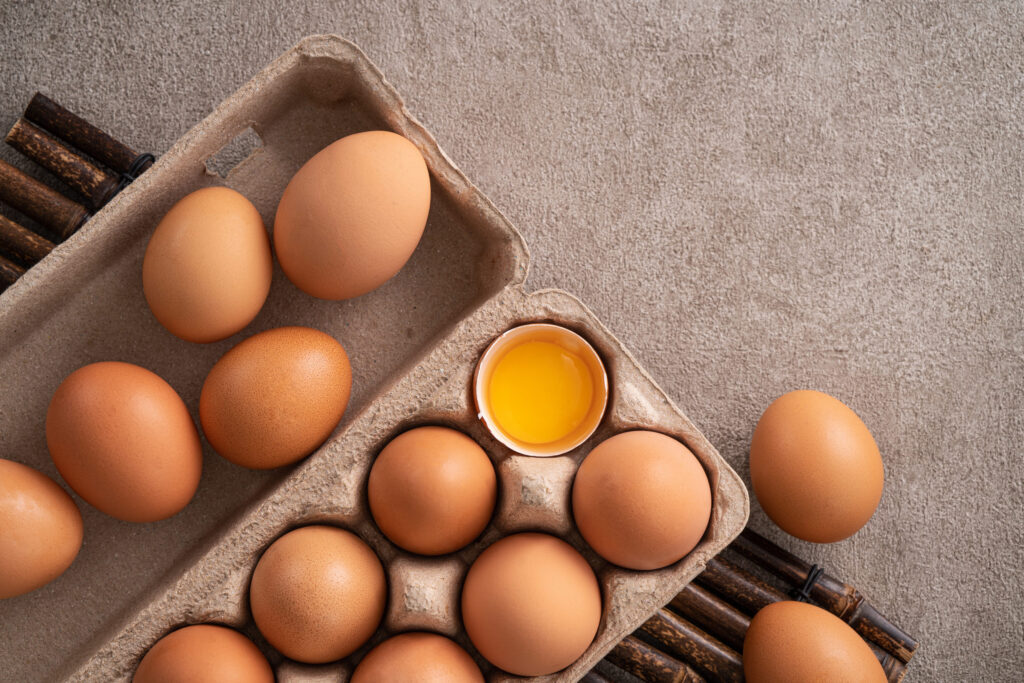
Raw eggs are a popular ingredient in many dishes, from homemade mayonnaise to classic tiramisu. But consuming raw eggs can lead to a Salmonella infection that causes serious food poisoning, including diarrhea, vomiting, fever, and nausea. While the risk of infection is relatively low, it remains present. The elderly, young children, and pregnant women are highly susceptible. It’s always safer to use pasteurized eggs in recipes that call for raw eggs, reducing the risk of contamination.
Undercooked Meat
Many diets depend heavily on meat, but eating undercooked meat can pose a risk of ingesting potentially life-threatening germs like E. coli, Salmonella, and Listeria. E. coli is particularly prevalent on ground beef and can lead to serious disease and may even result in kidney failure if it is not cooked to a safe temperature. This risk is not confined to beef; it also affects poultry, pork, and some fish. To prevent any health risks, always cook meat to the recommended internal temperature.
Rhubarb Leaves
Rhubarb is used in pies, jams, sauces, and in many other culinary applications, but rhubarb leaves are poisonous! They are also rich in oxalic acid and anthraquinone glycosides, which can be extremely poisonous and lead to heavy poisoning, such as respiratory difficulty, convulsions, or death in extreme cases. The leaves are not edible at any time, but the stalks are perfectly fine and edible. When harvesting or preparing rhubarb, be sure to remove the leaves and use only the stalks.
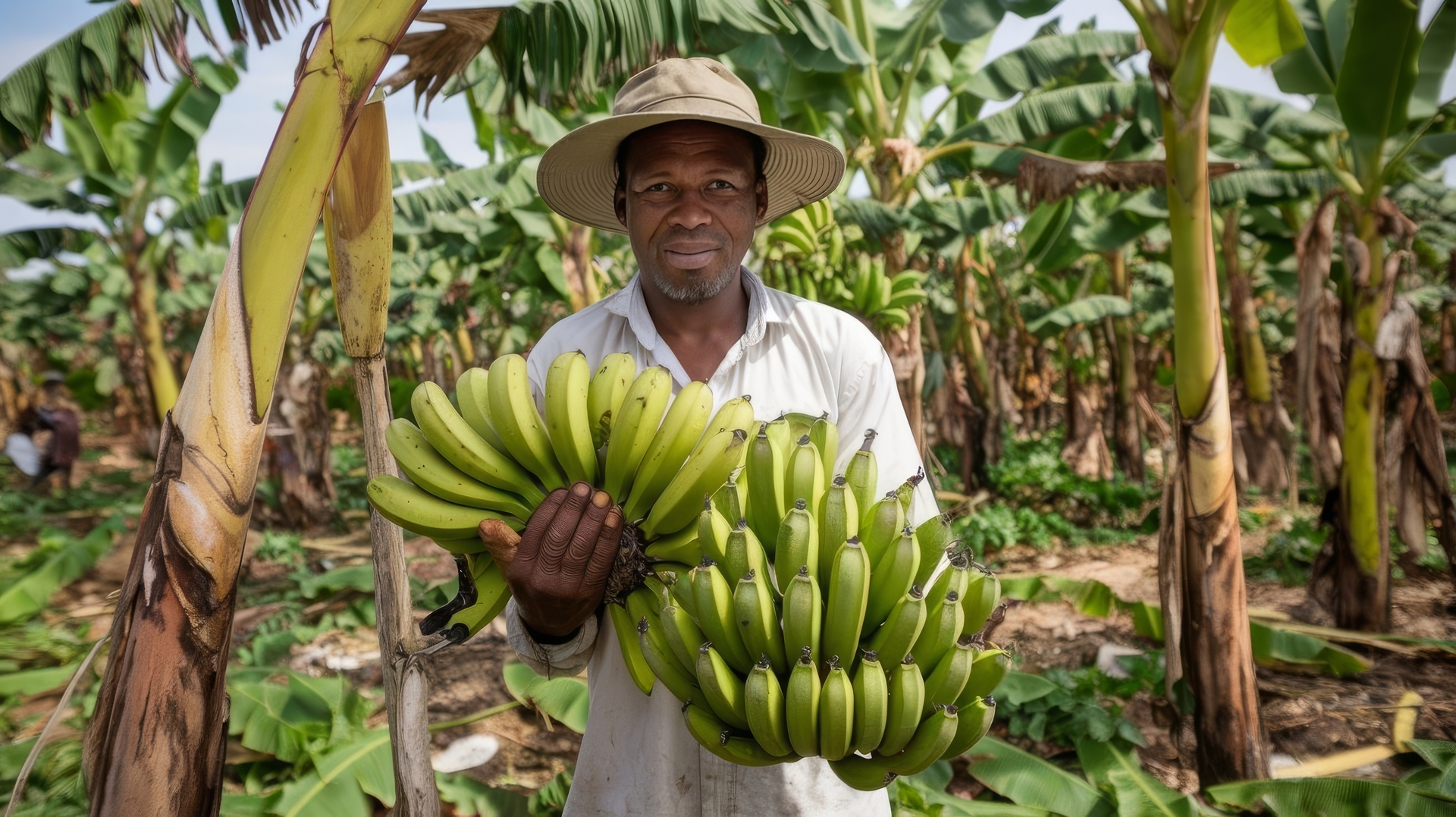
Ackee Fruit
Ackee is a native Jamaican fruit and the national fruit of Jamaica. However, if not prepared properly, it can be deadly. Hypoglycin is a toxin present in the fruit that may cause the “Jamaican vomiting sickness,” which results in vomiting and reduced blood sugar levels and can be fatal in extreme cases. Ackee needs to ripen naturally and be cooked well before eating; otherwise, it can cause poisoning. Ackee is not a food that can be prepared safely and, as a result, is not eaten in Jamaica unless it is prepared correctly.
Green Potatoes
Although potatoes are a common food, green potatoes may be poisonous. Potatoes exposed to light produce a natural toxin known as solanine, which can lead to nausea, vomiting, and even coma in large quantities. A large quantity of green potatoes can be harmful, but a small amount is not. Before cooking potatoes, always remove any green skin or sprouts, as they can cause solanine to build up. Then put the potatoes in a cool, dark place to prevent solanine from forming.
Unpasteurized Dairy
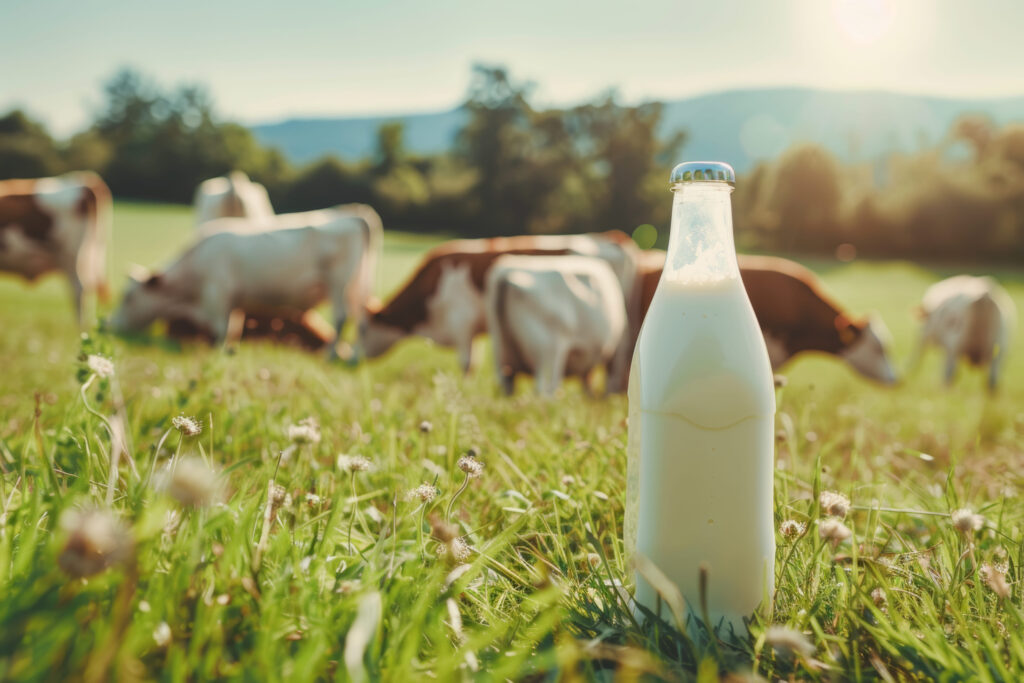
Raw milk and raw cheese (also called unpasteurized milk and cheese) are gaining popularity in certain areas because they are claimed to have health benefits. Unpasteurized dairy products, however, can lead to foodborne diseases such as Listeria, E. coli, and Salmonella. These pathogens may make people very sick, especially pregnant women, young children, and people with weak immune systems. For these reasons, it is best to avoid consuming raw dairy products, since the bacteria they contain can be harmful.
Bitter Almonds
Almonds are a beloved snack, but bitter almonds, often used in flavorings and extracts, can be deadly. Bitter almonds contain amygdalin, which breaks down into hydrogen cyanide when consumed. While sweet almonds are perfectly safe to eat, bitter almonds can cause symptoms of poisoning, such as difficulty breathing, confusion, and seizures. In fact, cyanide poisoning can lead to death if a large amount of bitter almonds is consumed. Bitter almonds are typically processed or treated before consumption, but raw, unprocessed bitter almonds should never be eaten.
Mushrooms
Mushrooms can be a tasty and nutritious addition to your meals, but wild mushrooms carry an inherent risk of poisoning. Certain varieties, such as the Amanita phalloides (death cap mushroom), are extremely toxic and can cause liver and kidney failure, often leading to death. Even experienced foragers can mistake deadly mushrooms for safe varieties. If you’re unsure about the mushroom you’re picking, it’s always safer to purchase them from reputable sources rather than collecting them from the wild. The risks associated with wild mushrooms are very real, and consuming the wrong one can be fatal.
Conclusion: Eat with Caution, Live with Confidence
While food is meant to nourish and bring people together, some foods pose hidden dangers that can be life-threatening if not handled properly. From pufferfish to bitter almonds, the risk of consuming certain foods is very real, and it’s essential to understand the dangers involved. However, with proper preparation, education, and awareness, you can enjoy these foods safely and appreciate them without fear. It’s important always to know where your food comes from, how it should be prepared, and the potential risks involved. So, the next time you sit down for a meal, make sure you take the right precautions to avoid putting your health at risk.