A bare garden can make even the prettiest home feel unfinished. You water, weed, trim, and stare at the same dull patches, hoping something colorful will hurry up and do its job. That’s where fast-growing tiny flowers become the quiet heroes of the yard. They may look small, but they can soften hard edges, fill awkward gaps, brighten walkways, and make your garden feel fuller in just weeks.
The biggest mistake many homeowners make is chasing big, dramatic blooms while ignoring the little flowers that actually pull a garden together. Tiny flowers add texture, movement, fragrance, and charm without demanding too much space. Some spread like ground covers, some spill beautifully over walls, and others work perfectly in borders or empty corners. Here are 10 fast-growing tiny flowers worth planting before your garden starts looking tired.
Creeping Thyme
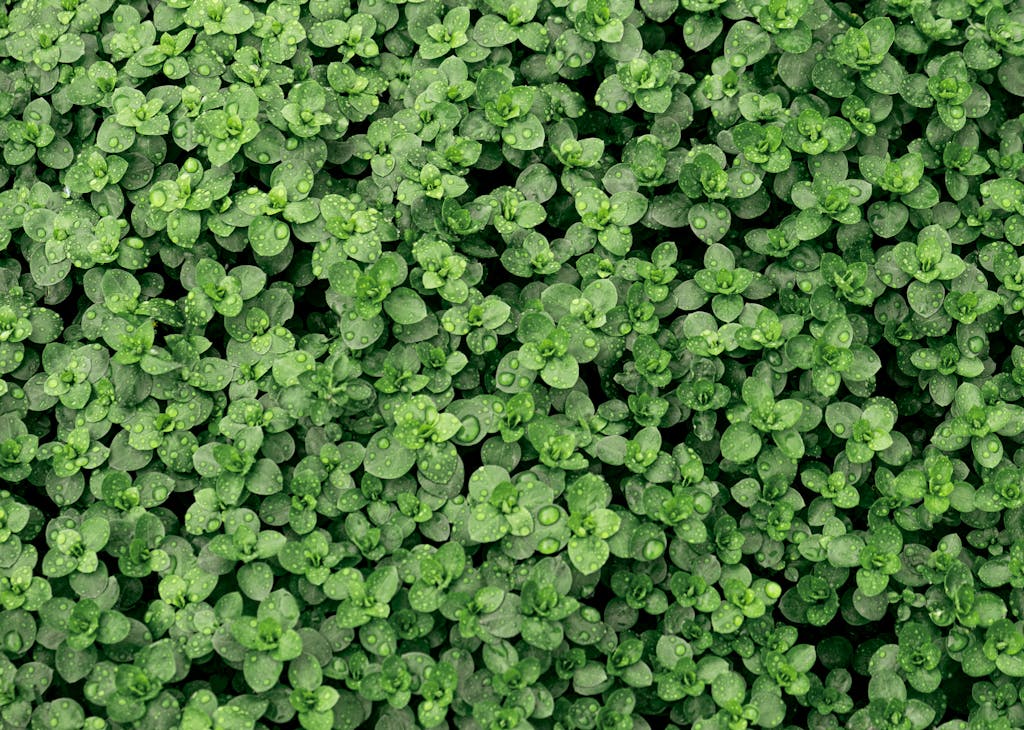
Creeping thyme is a smart choice for anyone tired of empty gaps between stepping stones, dry patches, or awkward edges. This low-growing plant produces tiny pink, purple, or white flowers, adding a soft, carpet-like look to the garden. It loves full sun and well-draining soil, which makes it useful in places where fussier plants give up.
The bonus is its scent. When brushed or stepped on lightly, creeping thyme can release a pleasant herbal fragrance. It works well as a lawn alternative in small spaces, especially for gardeners who want beauty without constant mowing or pampering.
Lantana
Lantana is the kind of tiny-flowered plant that refuses to be boring. Its small clustered blooms come in fiery shades like red, orange, yellow, pink, purple, and white. In sunny gardens, it can quickly turn a dull corner into a cheerful burst of color.
This plant thrives best in warm climates and loves direct sunlight. It’s great for dry, sunny spots, rock walls, containers, and borders. The only real warning is that lantana can grow enthusiastically, so give it room and keep it shaped if you want a neat look.
Dwarf Tickseed
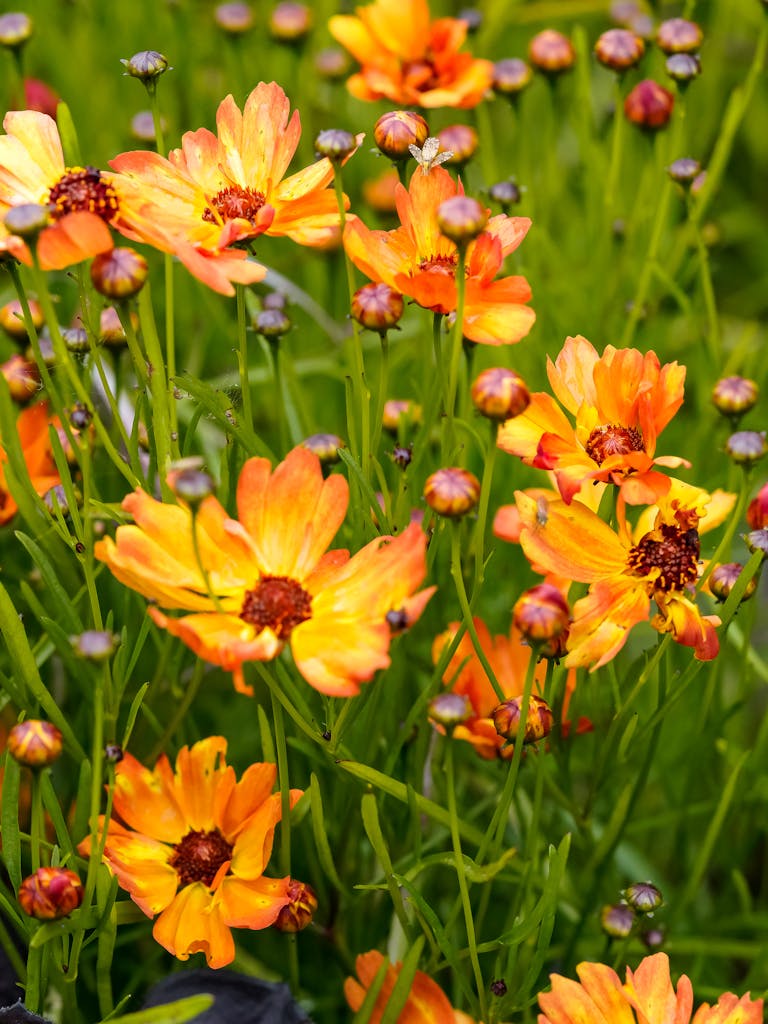
Dwarf tickseed is perfect for your garden when it needs a happy splash of yellow without looking overdone. Its small daisy-like flowers bring brightness to borders, cottage gardens, and sunny beds. It grows in clumps, which helps fill space naturally without making the garden feel messy.
To get the best from dwarf tickseed, plant it where it can enjoy plenty of sun. Deadheading spent flowers encourages more blooms throughout the season. It’s a great option for gardeners who want a cheerful plant that looks lively but doesn’t need constant attention.
Rock Cress
Rock cress is a great answer for gardens that look flat, dry, or unfinished around stones and slopes. This low-growing perennial produces tiny flowers in purple, pink, blue, or white, creating a soft mat of color. It works beautifully in rock gardens, along pathways, and over low walls.
Once established, rock cress can handle drier conditions better than many delicate-looking flowers. It prefers sunny spots and well-draining soil. If your garden has a rough patch that seems impossible to dress up, rock cress can make it look intentional.
Blue Star Creeper
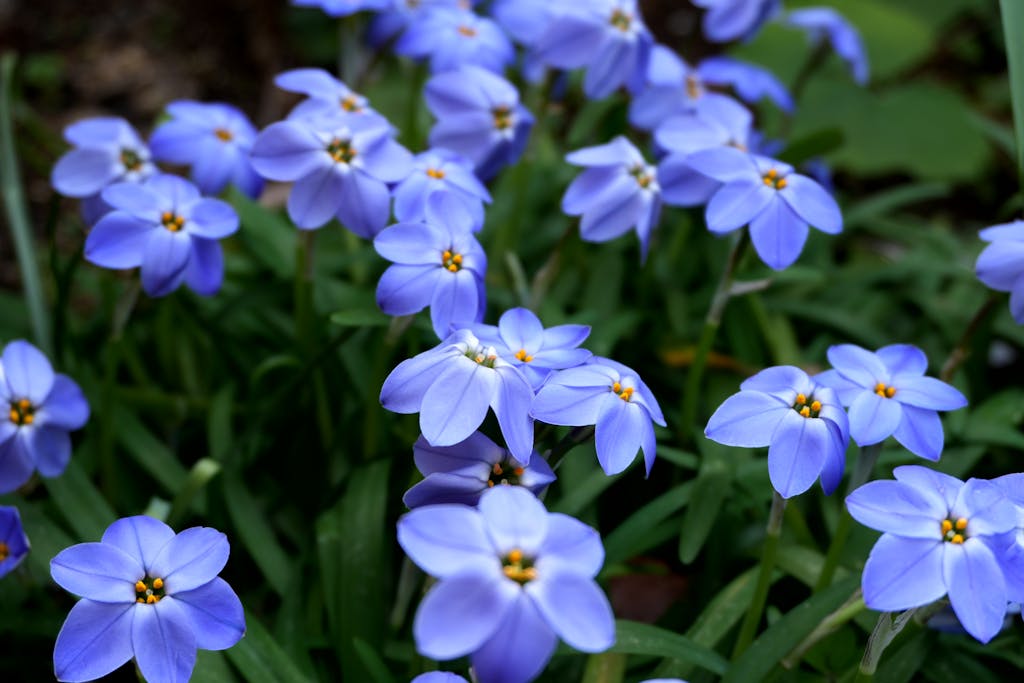
Blue star creeper sounds delicate, and it looks delicate too, but it can spread into a lovely blanket of small star-shaped flowers. Its tiny blue, violet, or white blooms are especially pretty between pavers, around borders, or in spaces where you want a softer ground cover.
It grows best in full or partial sun with moist, well-draining soil. The trick is not to drown it. Blue star creeper likes moisture, but soggy soil can cause problems. Treat it gently, and it can reward you with a dreamy, cottage-style look.
Baby’s Breath
Baby’s breath is often seen in bouquets, but it deserves more attention in the garden. Its tiny white flowers create an airy, cloud-like effect that softens stronger plants and adds romance to garden beds. It’s especially useful when your garden looks too heavy or crowded with bold blooms.
This plant enjoys full sun and sandy, well-draining soil. It doesn’t like being overwatered, which makes it a good choice for gardeners who sometimes love their plants a little too much with the hose. Baby’s breath adds lightness without stealing the whole show.
Sweet Alyssum

Sweet alyssum may be small, but it knows how to make an entrance. Its tiny white, pink, or purple flowers grow in soft clusters and often come with a sweet fragrance. It’s perfect for borders, containers, hanging baskets, and filling those little bare spaces that make a garden look neglected.
This flower enjoys the sun but can also handle partial sun in many gardens. It needs moderate watering and well-draining soil. Sweet alyssum is especially useful near patios and walkways because its scent makes the garden feel cozy and welcoming.
Bugleweed
Bugleweed is a strong choice for gardeners dealing with low-sun areas where many flowers refuse to perform. It produces small blue or purple flowers and spreads as a ground cover, helping hide bare soil. Its foliage also adds texture, so it still looks useful even when it’s not blooming heavily.
This plant can grow in partial sun and does well in many garden settings. It’s especially helpful under trees, along shaded paths, or in spots that need coverage more than height. Bugleweed proves that shade does not have to mean dull.
Wild Candytuft
Wild candytuft brings a crisp, clean look with clusters of tiny white, pink, or pale violet flowers. It’s a lovely option for gardeners who want something neat, charming, and easy to blend with other plants. Its low-growing style makes it useful for edges, borders, and small garden pockets.
It grows well in full sun or partial shade and prefers light, well-draining soil. Wild candytuft can make a garden look more polished without feeling too formal. It’s small, but it adds the kind of detail people notice without knowing exactly why the space looks better.
Phlox

Phlox is one of those tiny-flowered plants that can make a garden look full fast. Low-growing varieties spread across the ground and produce colorful blooms in shades of pink, violet, blue, red, and white. It’s especially good for slopes, borders, and areas where you want a flowing carpet of color.
Phlox likes full or partial sun and rich, well-draining soil. Once it settles in, it can create a dense, colorful look that feels lush without needing giant flowers. If your garden looks thin or unfinished, phlox can help pull the whole space together.
Conclusion
Tiny flowers are easy to underestimate, but that’s exactly why many gardens look bare for longer than they should. Big blooms may get attention, but small, fast-growing flowers do the quiet work of filling gaps, softening edges, adding fragrance, and making outdoor spaces feel alive. Creeping thyme, sweet alyssum, phlox, blue star creeper, and the rest of these small bloomers can turn a tired garden into something warmer, fuller, and more inviting. The trick is choosing the right plant for the right spot, then letting those tiny flowers do what they do best: make your garden look like you planned every inch of it.