The world is full of small things that seem harmless until they bite. Some creatures are tiny, some are terrifyingly fast, and some can sneak up in the most unexpected places. A single bite can range from mildly annoying to deadly, depending on the species, location, and your reaction.
Listverse compiled a list of the top biting nightmares, featuring animals that are stealthy, venomous, or just plain aggressive. While most of us go through life never encountering these pests up close, knowing which ones can cause serious harm helps you stay safe and alert.
Mosquitoes
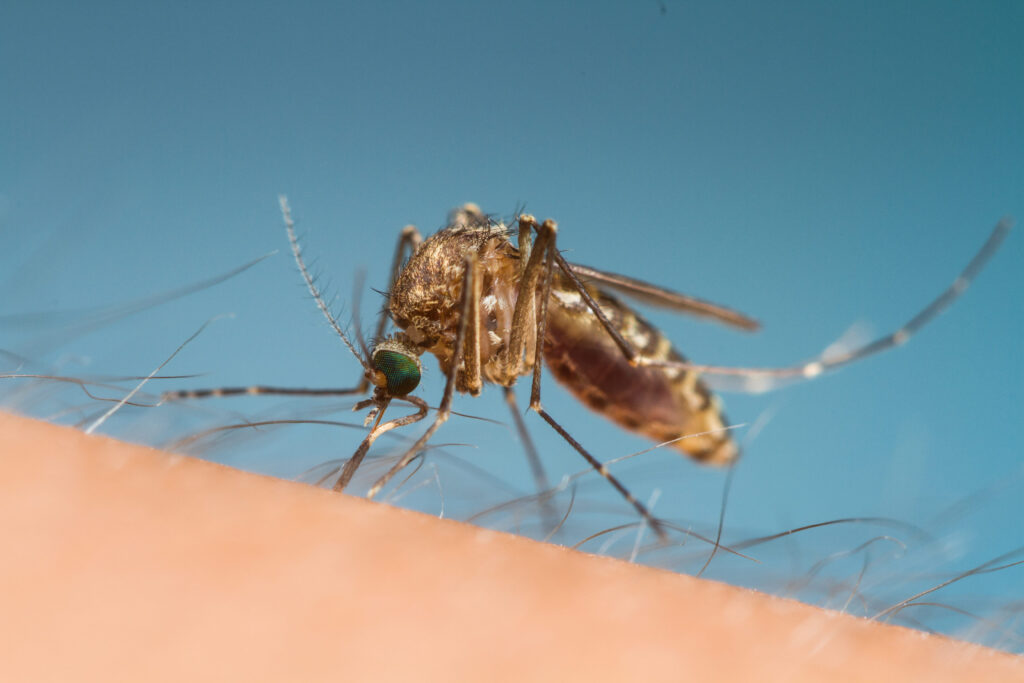
Mosquitoes are tiny but lethal in a subtle way. They transmit malaria, dengue fever, Zika virus, and West Nile virus, causing hundreds of thousands of deaths annually worldwide.
It’s not the itch that kills you, it’s the pathogens the bite carries. Even in countries with lower mosquito-borne disease risks, bites can lead to allergic reactions, infection, or just relentless irritation.
Ticks
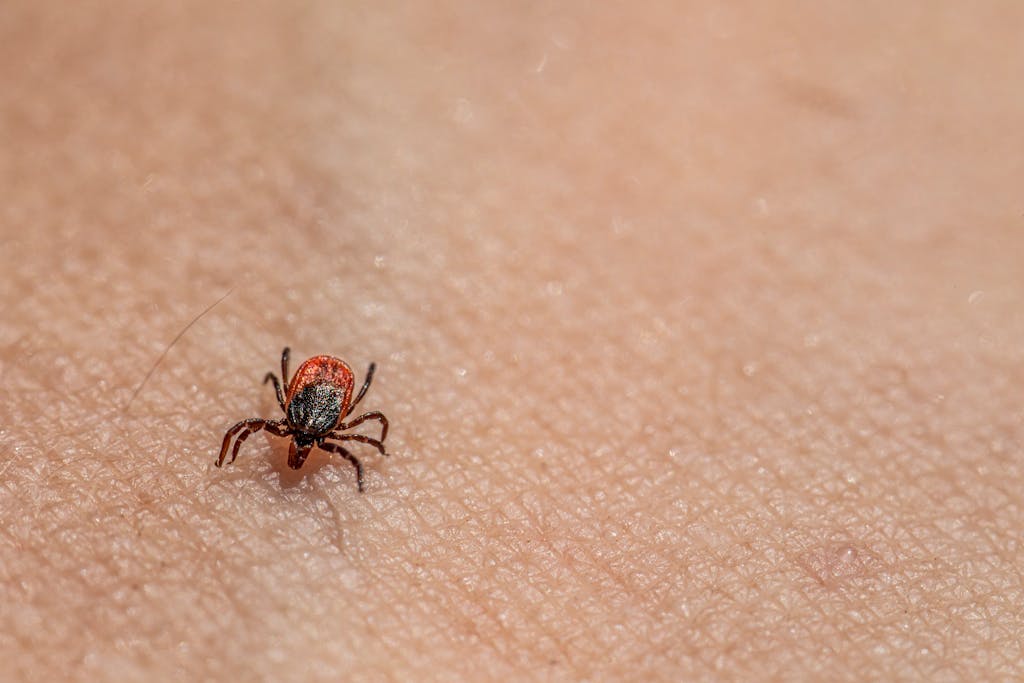
Ticks are silent predators that latch on and feed on blood for days. Some species carry Lyme disease, Rocky Mountain spotted fever, and other dangerous pathogens.
The danger lies in their small size and stealth. You may not notice a tick attached until the pathogen has already entered your system. Proper protective clothing, repellent, and body checks are essential in tick-prone areas.
Brown Recluse Spider
Brown recluse spiders are infamous for their venomous bites, which can cause necrotic skin lesions. Though the species tends to avoid humans, contact in dark corners, closets, and attics can trigger a serious bite.
Symptoms can develop slowly, often starting with redness and progressing to tissue damage. Medical treatment is often necessary to prevent severe complications.
Black Widow Spider
Black widow bites are small but potent. The neurotoxic venom can cause muscle pain, spasms, and, in rare cases, serious systemic effects.
Black widows are shy and rarely bite unless provoked, but even a brief encounter in a garage, shed, or under a porch can lead to a painful, urgent situation.
Fire Ants
Fire ants bite and sting, injecting venom that causes immediate burning pain and welts. Multiple stings can escalate to allergic reactions, including anaphylaxis.
They are aggressive, colony-based insects that attack en masse when disturbed. Fire ant infestations are best handled with extreme caution.
Scorpions
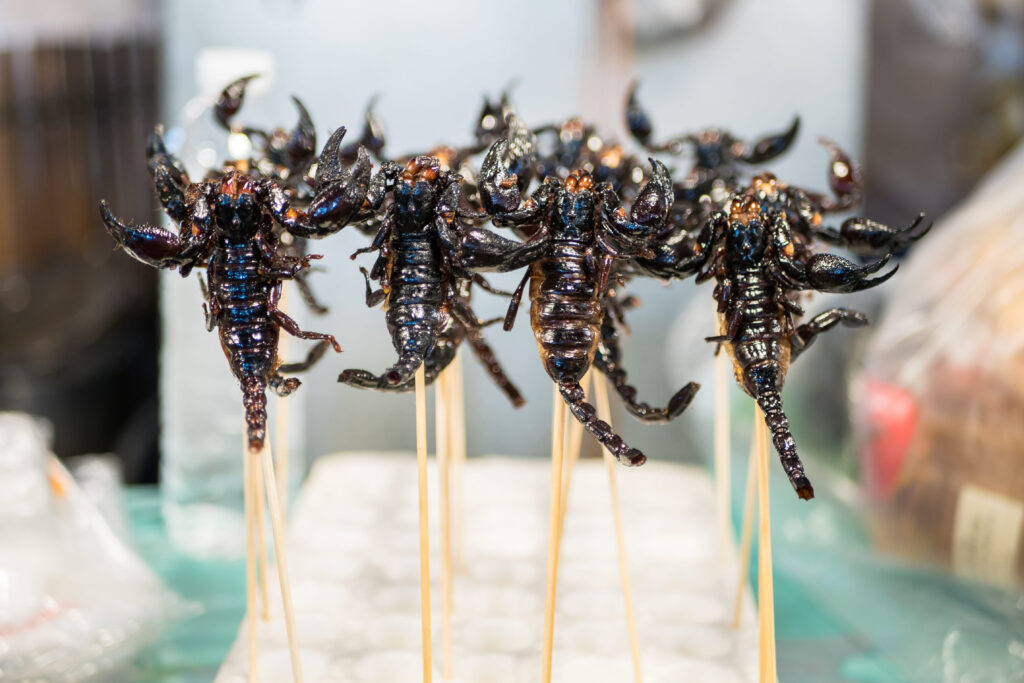
Scorpions are a global problem in warm climates. Their stings inject venom that ranges from mild discomfort to life-threatening toxicity, depending on the species.
Symptoms can include pain, swelling, numbness, and, in severe cases, heart or respiratory issues. Awareness of local scorpion species is key to avoiding encounters.
Cone Snails
Cone snails may look beautiful and harmless, but their harpoon-like teeth deliver venom capable of paralysis and death. They live in tropical waters and often hide in sand or coral.
Accidental contact with water or shells while swimming or collecting can be fatal. Protective footwear and caution are essential in cone snail habitats.
Piranhas
Piranhas are infamous for their sharp teeth and feeding frenzy. While attacks on humans are rare, they can strip flesh quickly in certain situations, especially when provoked or during low water periods.
Freshwater swimmers in South America should respect their territory and avoid disturbing schools during feeding periods.
Sharks
Sharks are apex predators that inspire instinctive fear. Though statistically rare, bites can be catastrophic, often involving massive tissue damage.
Species like the great white, tiger, and bull sharks are the most dangerous. Understanding shark behavior and avoiding high-risk areas reduces the odds of an encounter.
Jellyfish

Jellyfish deliver painful, venomous stings that can range from mild irritation to cardiac arrest in the case of box jellyfish. They float invisibly in the water, making them difficult to avoid.
Protective clothing, awareness of stings, and first-aid knowledge are vital for swimmers and divers in areas where venomous jellyfish are common.
Why You Should Care
Most bites are avoidable with awareness, protective clothing, and careful behavior. The creatures on this list share one thing in common: they are underestimated in terms of danger. Tiny or slow, they can inflict serious pain, illness, or even death.
The takeaway is simple: respect wildlife, know your environment, and don’t underestimate even the smallest creatures. A single bite can ruin a day or worse, so vigilance and prevention are key to staying safe.