You know that scene in every thriller where the character survives a car chase, a shoot-out, and a building explosion only to slip on a wet floor in the final act? Turns out, that’s basically real life. The things most likely to wreck your day aren’t lurking in dark alleys; they’re sitting quietly in your bathroom, your kitchen, and your car’s passenger seat.
We spend so much energy fearing the dramatic plane crashes, shark attacks, and lightning strikes that we completely ignore the mundane chaos happening around us 24/7. So yeah, welcome to the most underrated danger list you’ll ever read.
Your Bathroom Is Basically a Trap

If your bathroom were a video game level, it would be rated “Hard Mode.” Wet tiles, slippery mats, and that awkward step out of the tub are a full obstacle course in disguise. Falls are among the leading causes of emergency room visits globally, and a huge chunk of those occur in bathrooms, which, honestly, is the least cinematic way to end up in the hospital.
Think of every horror movie set in a bathroom, Psycho, The Shining, and then realize the real danger isn’t a ghost; it’s the floor. A simple bath mat with proper grip or a wall handle can completely change the game. It’s the most unglamorous home upgrade you’ll ever make, and also possibly the most important one.
Power Strips Are Not Invited to the Party
There’s something almost wholesome about a power strip; it’s just there, quietly letting you charge seven things at once while you binge your favorite show. But an overloaded, aging power strip is basically a slow cooker for a house fire.
Electrical fires caused by overloaded outlets and dodgy power strips cause thousands of fires every year, and most people never see it coming.
Think of it like adding too many passengers to a car; everything seems fine until it really, really isn’t. Older strips with no surge protection are especially sketchy; they just silently overheat behind your TV stand. Replacing that crusty 2010-era strip isn’t exciting content, but neither is explaining to your insurance company why your living room looks like a crime scene.
Sleep Deprivation Is Not a Personality Trait
Pop culture has spent years glamorizing the “I’ll sleep when I’m dead” grind mentality, and ironically, that attitude is doing its best to make that statement come true.
Sleep deprivation does to your brain what dial-up internet does to a Zoom call: slows everything down, creates lag, and eventually causes a full crash. After just 17–19 hours without sleep, your cognitive performance dips to the equivalent of being legally drunk.
This is especially terrifying when you think about how many people drive after a bad night’s sleep without a second thought. Drowsy driving is responsible for hundreds of thousands of accidents annually, yet it carries none of the social stigma of drunk driving.
If sleepy driving were a character in a superhero movie, it would be the unassuming villain nobody suspects until the third act.
Drowning Looks Nothing Like the Movies
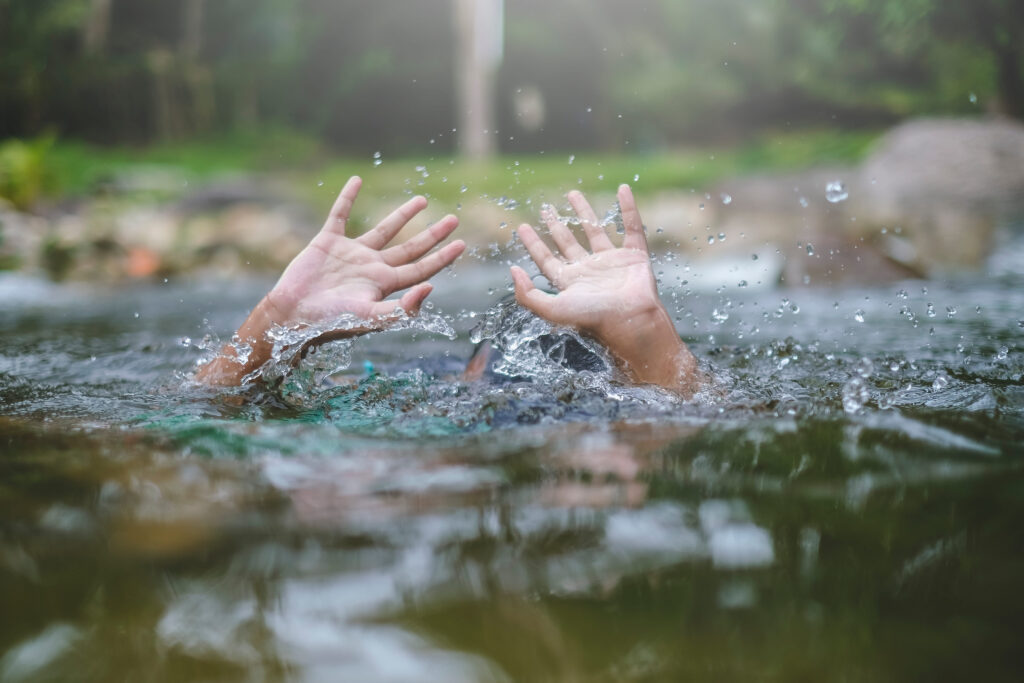
Every movie drowning scene involves splashing, screaming, and dramatic arm-waving. But real drowning is almost completely silent. A person going under will often hold their arms out to the side to stay afloat, unable to wave or call for help; it looks less like an emergency and more like someone just bobbing around.
Lifeguards call this “instinctive drowning response,” and it’s why so many incidents happen in plain sight without anyone realizing.
Even experienced swimmers can get into trouble fast, especially in open water with currents, cold temperatures, or unexpected obstacles, so this is not just a “children at the pool” situation; adults drown in bathtubs, lakes, and even large buckets.
The lesson here: watch people in the water like you’re watching a spoiler-heavy finale, because the danger is never as obvious as you’d expect.
Your Feet on the Dashboard? A Full Emergency
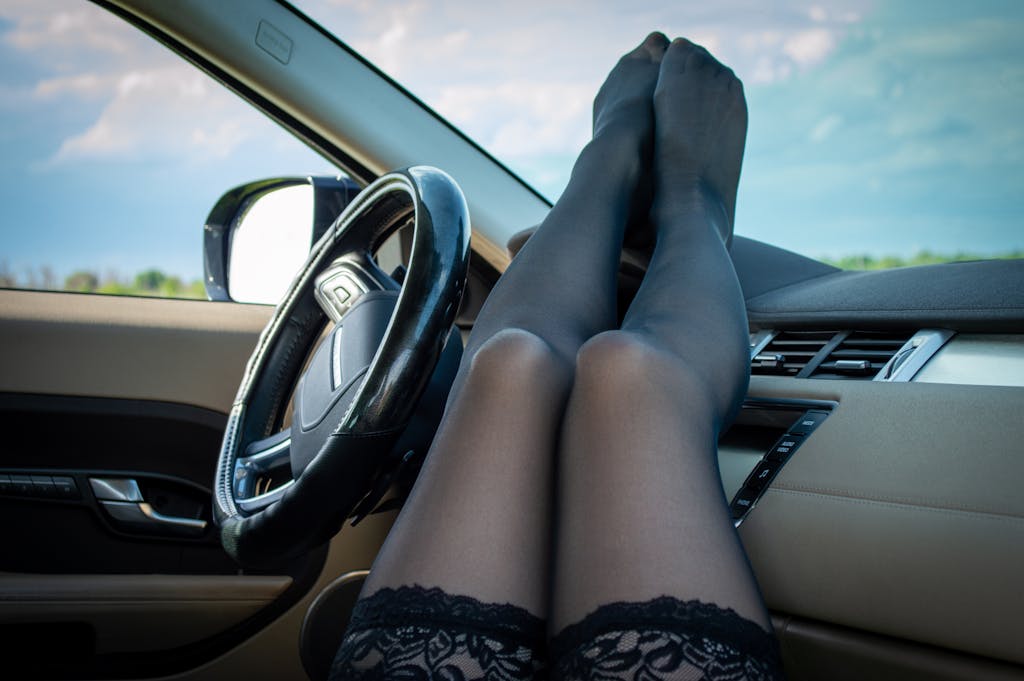
We’ve all seen someone riding shotgun on a road trip, feet propped up on the dashboard like they’re in a music video. It looks casual and carefree; it is absolutely not.
In the event of a collision, airbag deployment sends those legs and hips backward with brutal force, causing catastrophic injuries that would not have occurred with proper seating. Doctors have documented cases where passengers broke both legs, hips, and pelvises from this one chill little habit.
It’s the kind of thing that looks so harmless in a Taylor Swift road trip montage that nobody thinks twice. But physics doesn’t care about the aesthetic. So keep your feet on the floor; your future self and your orthopedic surgeon will thank you.
Cows Are More Dangerous Than Sharks (Yes, Really)
Statistically, cows kill more people per year than sharks do. Let that sit for a moment. While Jaws had us avoiding the ocean for decades, the true menace was grazing in a field the whole time, looking completely unbothered. Cows are heavy, fast when spooked, and have zero concept of personal space when they decide you’re a threat.
This isn’t to say you should start fearing every farm visit like it’s a horror movie, but treating large animals as predictable or safe because they seem calm is a genuinely risky assumption.
A spooked 1,000-pound animal doesn’t need to be aggressive to cause serious damage. The cow never meant to be the villain; it just kind of is.
Bleach Wants to Be Used Alone
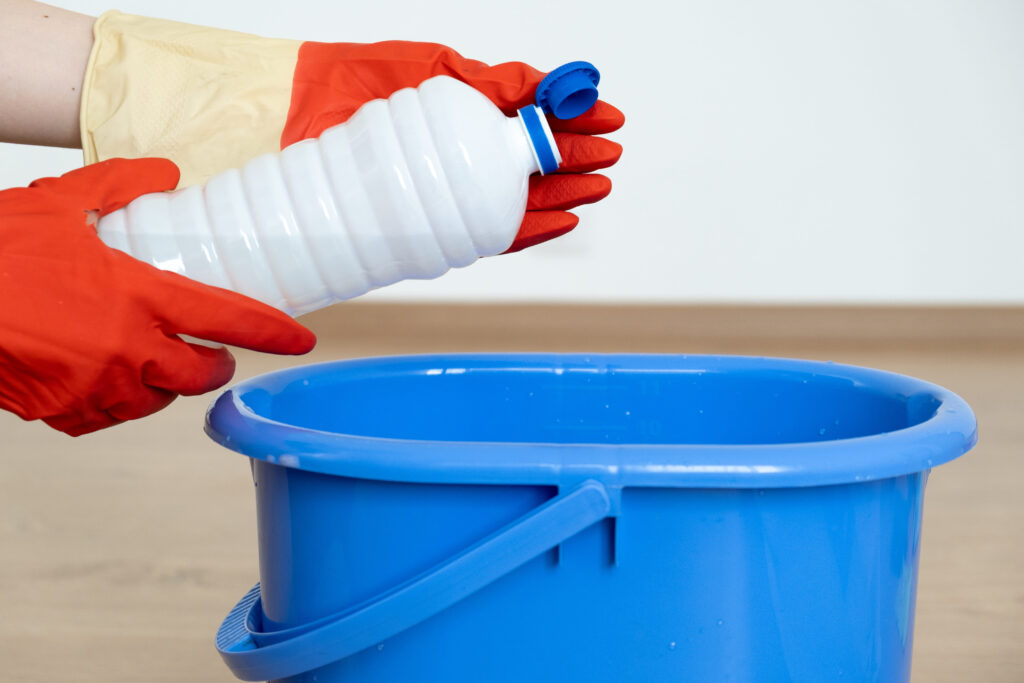
Bleach is the clean-freak icon of household products; it’s powerful, dependable, and deeply misunderstood. Mix it with ammonia (found in many glass cleaners), and you’ve created chloramine gas, a toxic fume that will damage your lungs and send you to the ER faster than you can say “I was just trying to clean the bathroom.”
It’s one of the most common causes of accidental household poisoning, and it happens because the bottles don’t scream warnings loudly enough.
The scary part is how many common cleaners contain ammonia without advertising it on the front label. Reading the back of your cleaning products is not the fun Saturday morning activity anyone signed up for, but it’s genuinely one of the easier ways to avoid a medical emergency. Bleach cleans solo, full stop.
Conclusion
Here’s the uncomfortable truth: the world’s most dangerous things aren’t hiding in the shadows of some dystopian thriller. They’re sitting in your bathroom, your car, your cleaning cabinet, and your sleep schedule. We’ve been trained by movies, media, and pop culture to fear the dramatic and ignore the everyday trivial, but the everyday trivial is what actually gets people.
Being aware of these risks isn’t about becoming a walking anxiety spiral. It’s about knowing your enemy, and in this case, your enemy is remarkably boring-looking.
A bath mat, a good power strip, and a full eight hours of sleep are small, unglamorous choices that, together, make the difference between a regular Tuesday and a very bad one. The plot twist of adult life is that safety is mostly just paying attention to the things you’ve learned to ignore.