Diet soda feels like the clever choice. It tastes sweet, has little or no sugar, and has a lower calorie count than regular soda, which makes it feel safe enough for many adults over 30 to drink every day.
But the body changes with age. Sleep becomes more precious, weight can become harder to manage, teeth may get more sensitive, and the heart and brain deserve more care. Diet soda is not “bad” in one sip, but these warning signs may mean your favorite daily drink needs a second look.
You Drink It Instead Of Water
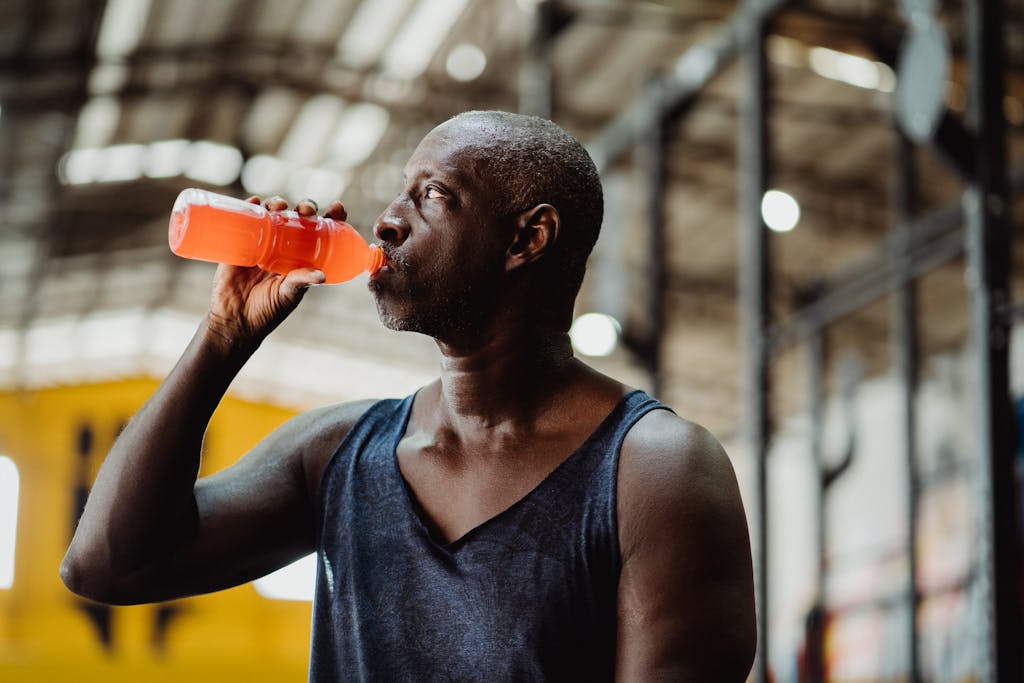
Diet soda may feel like a drink, but it should not replace water all day. Water helps your body work well. It helps with clear thinking, body temperature, digestion, and kidney health.
A strong warning sign is when you barely drink plain water anymore. The CDC says drinking enough water can help prevent dehydration, which may lead to unclear thinking, mood changes, overheating, constipation, and kidney stones.
You Crave Sweet Things More Often
One quiet warning sign is simple. You keep wanting sweet foods and sweet drinks, even after choosing the “diet” option. That can happen because diet soda still tastes very sweet, even without regular sugar.
Your mouth may get used to that sweet taste. After a while, water may feel too plain, and fruit may not taste exciting enough. Mayo Clinic notes that sugar substitutes may make your taste buds more accustomed to sweetness, which can affect your daily food and drink choices.
Your Weight Goals Feel Stuck
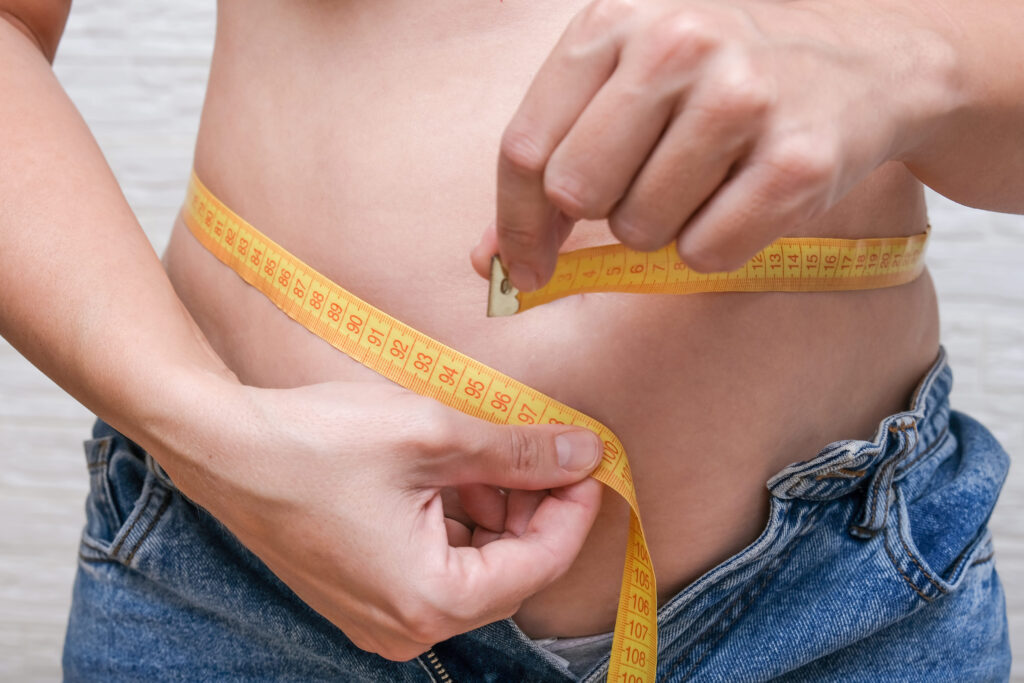
Many people switch to diet soda because they want to cut sugar and calories. That choice may help some people reduce sugar at first. The trouble starts when the drink becomes a daily habit that does not really improve the rest of the diet.
The World Health Organization advises against using non-sugar sweeteners as a long-term weight-control tool. Mayo Clinic also notes that sugar substitutes do not seem to help people lose or maintain weight over the long term.
Your Sleep Feels Lighter Or Messier
Some diet sodas contain caffeine. Caffeine may feel helpful in the afternoon, especially when work, errands, and family life leave you tired. But it may still affect you later at night.
After 30, poor sleep can hit harder. It can affect mood, focus, hunger, and energy the next day. The FDA says 400 milligrams of caffeine a day is generally not associated with negative effects for most adults. Still, people react differently to caffeine and clear it from their bodies at different rates.
Your Teeth Feel More Sensitive

Many people blame sugar for tooth problems, but acid can also be rough on teeth. Diet soda may have little or no sugar, but it can still be acidic. That means it can still bother the hard outer layer of your teeth.
Tooth enamel protects your teeth like a shield. Once it wears down, teeth may become more sensitive to cold, hot, or sweet foods. The American Dental Association lists frequent consumption of soft drinks, especially carbonated sodas, as a risk factor for dental erosion.
Your Heart Feels Jumpy After Drinking It
A racing or fluttering feeling in the chest should not be ignored. It does not always mean something serious, but it is worth paying attention to. Some people may notice this feeling after caffeine or certain sweetened drinks.
A 2024 American Heart Association report shared research that linked both sugar-sweetened and artificially sweetened drinks with a higher risk of atrial fibrillation, which is an irregular heartbeat. The study showed a link, not proof, that diet soda directly causes the problem. Now, imagine combining it with some of the worst foods for your heart. Adults over 30 should still take heart signals seriously.
You Think “No Sugar” Means “No Problem.”
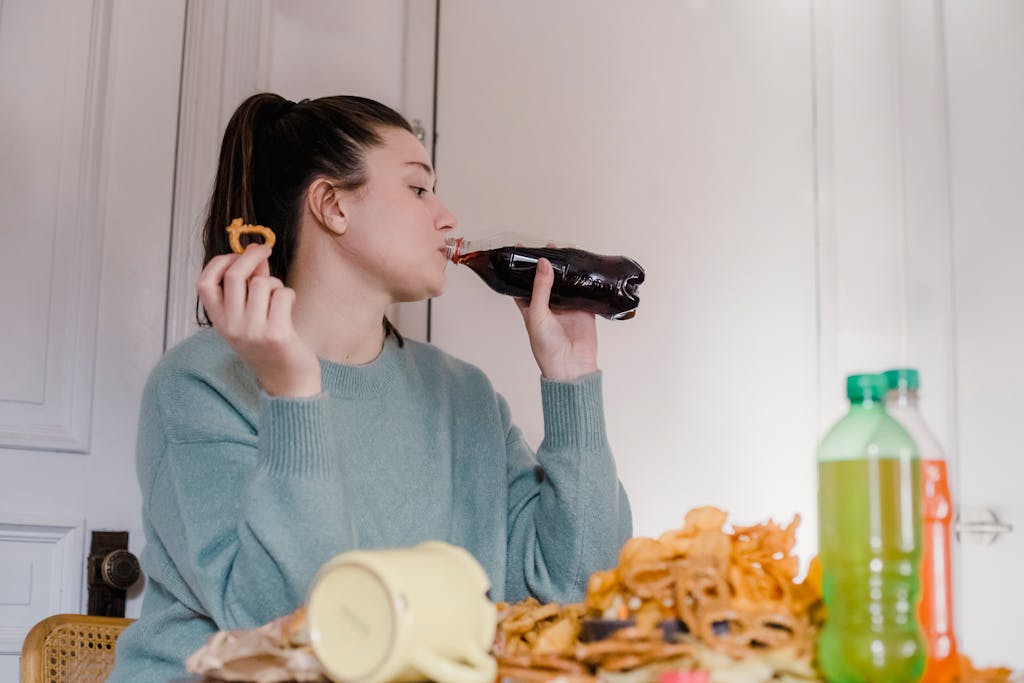
This may be the biggest warning sign of all. The label says no sugar, so the drink feels harmless. But “no sugar” does not always mean “good for daily use.”
Research from the Framingham Heart Study found that artificially sweetened soft drinks were linked with a higher risk of stroke and dementia. That study showed an association, not direct cause and effect, but it is enough to remind adults that daily habits can matter over time.
The Smarter Move Is Simple
You do not need to panic or throw away every can. The better move is balance. A diet soda once in a while is very different from drinking it all day, every day.
Try making water your main drink first. Add lemon, cucumber, berries, or mint if plain water feels boring. Unsweetened tea, plain coffee, sparkling water, and low-sugar drinks can also help you cut back without feeling punished.
Conclusion
Diet soda can look like the easy answer after 30. It adds sweetness without added sugar, making it feel like a smart daily choice. But your body may send small signals when the habit is no longer helping you.
More cravings, poor sleep, tooth sensitivity, less water, stuck weight goals, and heart flutters are signs worth noticing. The goal is not fear. The goal is to listen sooner, choose better more often, and let your daily drink support your health rather than quietly work against it.