A meal can fail long before it reaches the plate. Sometimes the problem is not the recipe, the ingredients, or the cookware. It is the tiny habit we barely notice, the small shortcut that steals flavor in silence, the familiar move we repeat because we have always done it that way. Good cooking does not always require expensive tools or chef-level training, but it does reward attention, patience, and timing.
Many home-cooked meals taste flat, dry, watery, bland, or oddly unfinished because small errors accumulate. We may season too late, overcrowd the pan, rush the heat, slice food too soon, or ignore texture until the dish has already lost its charm.
These mistakes look harmless in the moment, but they can turn bright vegetables dull, juicy meat dry, pasta gluey, and sauces weak. When we correct them, everyday cooking begins to taste cleaner, richer, and far more intentional.
Using a Cold Pan When Food Needs Heat
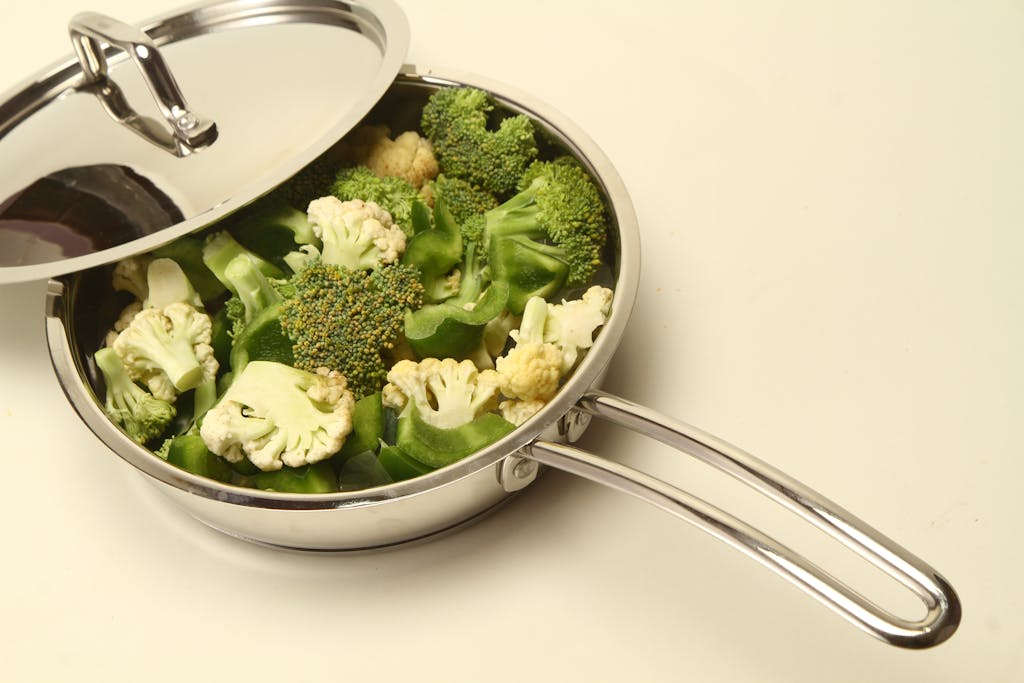
A cold pan can quietly ruin flavor before cooking properly begins. When we place food in a pan that has not heated sufficiently, the surface releases moisture rather than forming a crust. That moisture turns sizzling into steaming, and steaming rarely gives food the deep, savory flavor people expect from a well-cooked meal. Chicken looks pale instead of golden, mushrooms become soggy, onions lose their sweetness, and steak struggles to form a crust.
Proper heat gives food its first real layer of flavor. We need the pan hot enough to welcome the ingredient with a confident sizzle, especially for foods that need browning. This does not mean blasting every dish on the highest setting, because delicate foods can burn quickly.
It means giving the pan time to warm, adding fat at the right moment, and watching how the food responds when it comes into contact with the surface. That simple pause can make the difference between a meal that tastes boiled and one that tastes beautifully cooked.
Crowding the Pan Until Everything Steams
Crowding the pan is one of the most common cooking errors that makes meals taste worse. We often try to save time by cooking everything at once, but food needs space to brown. When too much goes into the pan, steam gets trapped, moisture builds, and ingredients soften rather than caramelize. The result may look cooked, but it usually tastes dull, wet, and underdeveloped.
A crowded pan also makes seasoning less effective because moisture dilutes flavor. Vegetables release water, meat loses its crust, and fried foods can turn limp instead of crisp. We get better results when we cook in batches and give each piece room to touch the hot surface.
It may take a few extra minutes, but the payoff is huge. Browning creates depth, aroma, and that satisfying restaurant-style flavor that makes a simple dish feel complete.
Adding Salt Only at the End
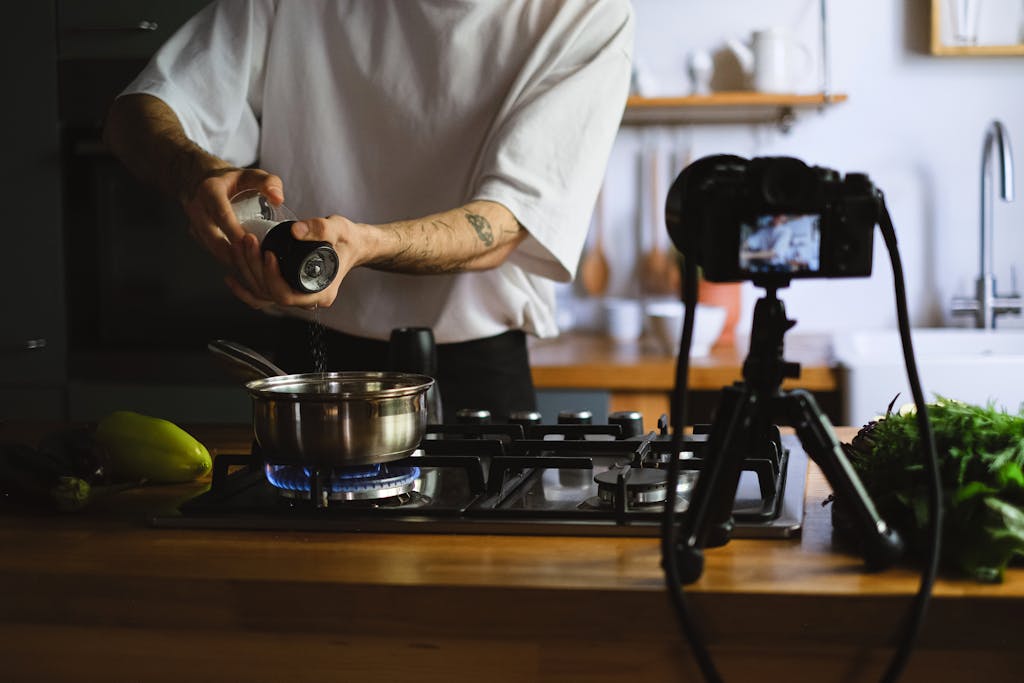
Salt is not just a finishing touch. It is one of the strongest tools we have for building flavor throughout the cooking process. When we add salt only at the end, the surface may taste salty, but the inside of the food remains bland. This creates an uneven meal where every bite feels slightly disconnected. A soup may taste watery, roasted vegetables may taste plain, and meat may seem underwhelming even when it looks perfectly cooked.
Seasoning in stages gives food a fuller, more balanced taste. We can add a little salt when the onions begin to soften, another small amount when the liquid goes in, and adjust it again near the end. This method helps ingredients absorb flavor instead of wearing salt like a coat.
The goal is not to make food salty. The goal is to make each ingredient’s natural flavor more expressive. When we season gradually, meals taste deeper, rounder, and more polished.
Stirring Too Often and Interrupting Browning
Stirring feels productive, but too much movement can weaken a dish. When we keep flipping, tossing, or poking food, we prevent it from making steady contact with heat. Browning needs stillness. Meat needs time to sear. Potatoes need time to crisp. Vegetables need time to caramelize. If we disturb them every few seconds, we trade flavor for nervous motion.
Patience is one of the most underrated cooking skills. We should let food sit long enough to develop color before moving it. A good sign is when food releases naturally from the pan instead of sticking stubbornly.
That release often means a crust has formed. Stirring still matters, especially for sauces, rice dishes, and foods that can burn, but constant stirring can rob food of texture. A calmer hand usually creates a better plate.
Cooking With Dull Knives That Bruise Ingredients

A dull knife does more damage than many home cooks realize. Instead of slicing cleanly, it crushes, tears, and bruises ingredients. Herbs turn dark and wet, tomatoes lose their shape, onions become harsher, and meat can become ragged before it even hits the pan. These small texture changes affect how food cooks and how it feels in the mouth.
Sharp knives also improve consistency. When we cut ingredients into even pieces, they cook at the same pace. Uneven chunks leave us with carrots that are hard in the center, onions that burn at the edges, and potatoes that cook unevenly.
A sharp knife gives us control, speed, and a cleaner flavor. It also makes cooking feel less frustrating. Good food often begins on the cutting board, and a clean cut can quietly improve everything that follows.
Using Old Spices That Have Lost Their Punch
Old spices can make even a careful recipe taste tired. They may still look colorful in the jar, but many lose aroma and strength over time. When spices fade, we end up adding more, only to get the flavor we expected. A curry tastes flat, roasted chicken lacks warmth, chili feels unfinished, and baked goods miss the cozy fragrance that should make them inviting.
We should smell spices before using them. If the aroma is weak, dusty, or barely present, the flavor will likely disappoint. Whole spices tend to last longer than ground ones, but both need proper storage away from heat, light, and moisture.
Replacing stale spices does not require buying a whole cabinet at once. We can start with the ones we use most: black pepper, paprika, cumin, cinnamon, garlic powder, and dried herbs. Fresh spices make food taste alive again.
Rushing Sauces Before They Develop Flavor
Sauces need time to come together. When we rush them, they often taste thin, sharp, or separate from the rest of the meal. Tomato sauce may taste acidic, gravy may taste floury, pan sauce may feel weak, and creamy sauces may lack body. Flavor needs time to blend, reduce, and smooth out. Heat, time, fat, salt, and acidity all need to be balanced.
A good sauce should taste as if it belongs to the dish, not be poured on as an afterthought. We can make better sauces by scraping the browned bits from the pan, reducing the liquids until the flavors concentrate, and tasting as we go.
A splash of acid can brighten richness, a small knob of butter can soften harsh edges, and a little pasta water can help sauces cling better to noodles. When we give sauces attention, they stop being background and start carrying the meal.
Cutting Meat Too Soon After Cooking
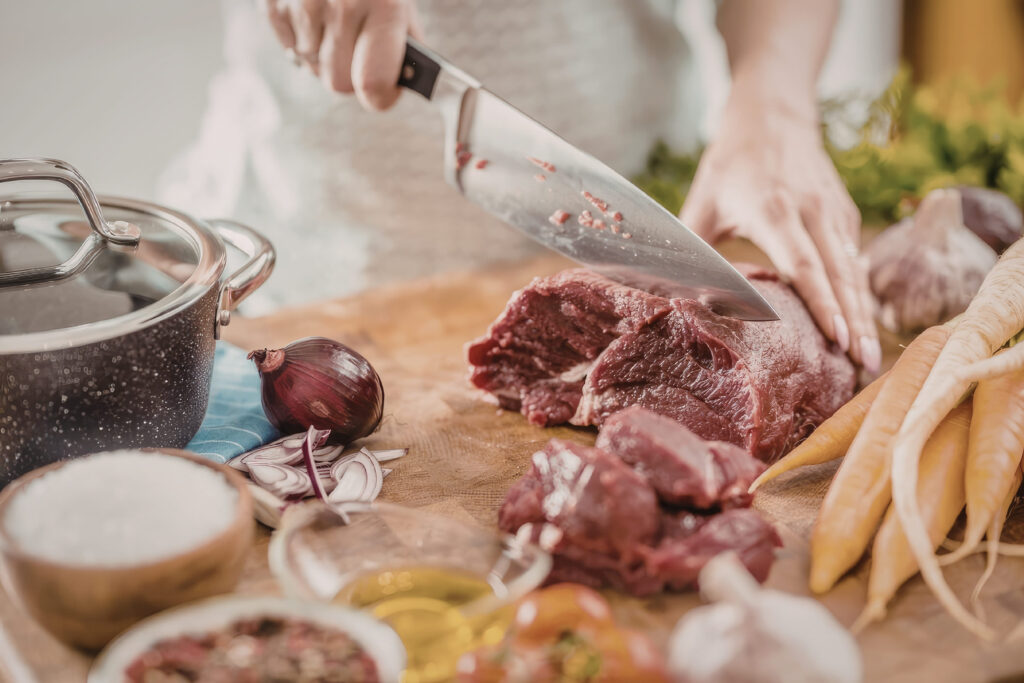
Cutting meat immediately after cooking is a tiny mistake with a big consequence. When we slice too soon, juices spill out onto the cutting board instead of staying inside the meat. The result is a dry bite, even if the meat was cooked correctly. Chicken breast, steak, pork chops, turkey, and roasts all benefit from a short rest after cooking.
Resting allows juices to redistribute, which makes each slice more tender and flavorful. The wait does not need to be dramatic. Smaller cuts may take only a few minutes, while larger roasts may take longer. During that time, we can finish the sauce, dress the salad, warm the plates, or prepare the sides.
This habit costs nothing, but it protects the work we have already done. A rested piece of meat tastes more generous, more tender, and more complete.
Conclusion
Great meals often improve through small corrections rather than complicated tricks. When we preheat properly, avoid crowding the pan, season in stages, stir with restraint, use sharper knives, refresh tired spices, build sauces patiently, and let meat rest, ordinary cooking begins to taste far better. These tiny cooking errors quietly make meals taste worse by weakening flavor, texture, aroma, and balance. Once we notice them, we can fix them with simple habits that make every plate feel more thoughtful, satisfying, and delicious.