We like to think of the kitchen as the safest room in the house. It is where we build healthy routines, reach for comfort, and trust familiar ingredients to do their usual job without drama.
Yet some of the foods we keep on the counter, toss into lunch, or add to dinner can trigger effects that feel oddly out of place, from orange skin and pink urine to headaches, swelling, rashes, and even sleep disruption.
That does not mean ordinary foods are suddenly dangerous. It means the body can respond in unusual ways when we eat certain ingredients in large amounts, at the wrong time, or with a sensitivity we did not know we had.
Once we understand those reactions, we stop panicking over harmless changes and start paying attention to those that warrant caution. The foods below show just how strange everyday eating can get.
Nutmeg
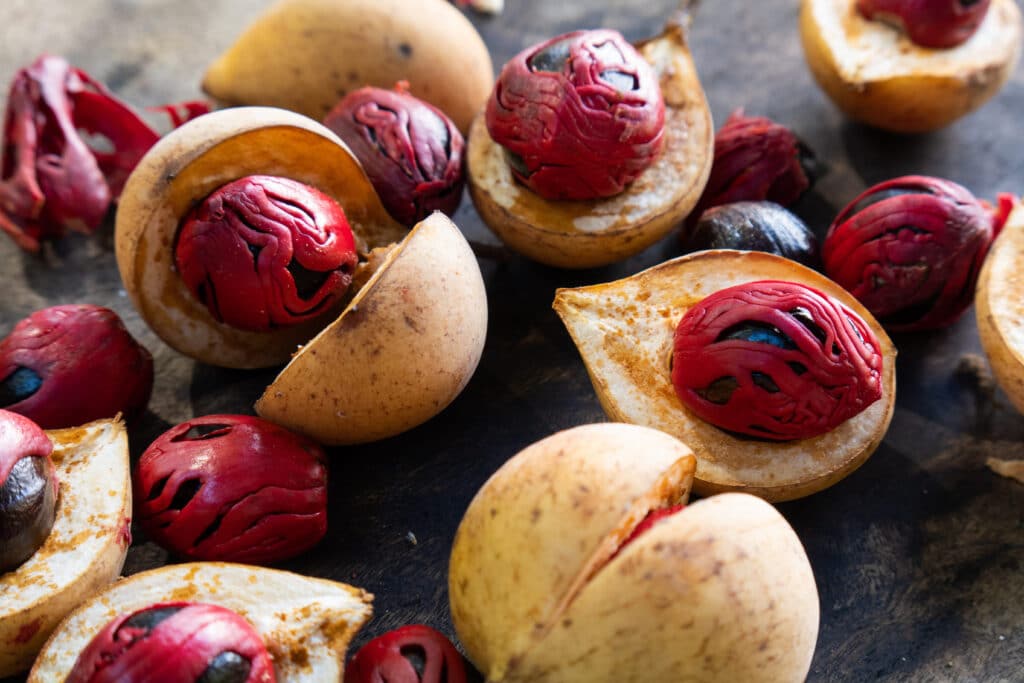
Nutmeg looks harmless because we usually meet it in tiny amounts, dusted into coffee, stirred into holiday desserts, or tucked into baked goods. In normal cooking, it behaves like a warm background spice.
The problem begins when we treat it like a novelty ingredient and consume far more than the body can handle. At that point, a cozy pantry staple can become something the body perceives as toxic.
Large doses of nutmeg have been linked to disturbing symptoms that can include nausea, dizziness, fatigue, dry mouth, confusion, and hallucinations. The reaction is tied to compounds in nutmeg that affect the nervous system in unpredictable ways.
What makes it especially risky is the delay, because symptoms may not appear immediately, which can tempt someone to take even more before realizing the first amount was already too much. We are far safer when we treat nutmeg as a seasoning, not an experiment.
Carrots

Carrots have one of the healthiest reputations in the produce aisle. They are bright, crunchy, convenient, and often praised for the nutrients that support vision and overall wellness. That positive image can make it hard to imagine carrots doing anything that looks alarming. Still, when we eat them in unusually large amounts over time, the body can begin to show it on the skin.
This effect occurs because carrots are rich in beta-carotene, a pigment the body processes and stores. In excess, that pigment can create a yellow-orange cast, especially on the palms, soles, and other thicker areas of skin.
The change can be startling enough to make families worry about jaundice, but the two are not the same. When the whites of the eyes stay normal, and carrot intake has been very high, the explanation may be much simpler than it first appears.
Asparagus
Asparagus has become one of the most famous examples of a food with an odd aftereffect. We can roast it, grill it, shave it into salads, or slip it beside salmon and chicken without a second thought. Then, not long later, the bathroom reveals the surprise. The smell can be sharp, sulfur-like, and hard to ignore.
This happens because asparagus contains compounds that break down into sulfur-containing byproducts during digestion. Those compounds leave the body quickly, which is why the smell can show up so soon after a meal. What makes the side effect even stranger is that not everyone notices it. Some people may produce fewer odor-related compounds, while others may not detect the smell as easily, making one vegetable a strangely personal experience.
Hot sauce
Spicy food has a loyal following because it adds excitement to meals that might otherwise feel flat. We reach for hot sauce to wake up eggs, improve tacos, sharpen noodles, or make late-night leftovers feel fresh again. The heat feels thrilling at the table, but the body does not always settle down after the meal. For some people, the fire keeps burning long after bedtime.
Hot sauce and other spicy foods can raise body temperature and stimulate the digestive system, making restful sleep harder to achieve. Instead of winding down, the body may stay more alert, warmer, and less comfortable than it should be at night. That can mean trouble falling asleep, more restless sleep, or waking up feeling less restored. When we notice a pattern between spicy dinners and bad nights, the timing of the meal may matter just as much as the spice itself.
Shiitake mushrooms
Mushrooms already sit in a category that many people find mysterious. They can be earthy, delicate, meaty, or deeply aromatic depending on the variety. Shiitake mushrooms, in particular, are loved for their rich flavor and the way they transform soups, stir fries, and noodle dishes. Yet for some people, they come with a skin reaction so unusual that it has its own name.
Shiitake dermatitis is a rash that can appear after eating these mushrooms, especially when they are raw or undercooked. The skin may develop red, itchy streaks that look dramatic and often seem disconnected from the meal that caused them. Because rashes usually make us think first about allergy, infection, or contact irritation, the link to a favorite dinner ingredient may get missed. That is why this side effect feels so strange; it shows up on the skin while the cause began on the plate.
Soy
Soy occupies a complicated place in modern eating. It is praised as a versatile protein, embraced in plant-forward diets, and used in everything from tofu and soy milk to meat alternatives and snack bars. For many people, it is simply another pantry staple. Yet it also remains one of the most debated foods whenever hormones and fertility come up.
The reason soy gets attention is its isoflavones, plant compounds that can act like hormones inside the body. Some research has raised concern about how high intake might affect sperm related measures in certain men, especially those already facing fertility challenges.
That does not turn soy into a universal threat, but it does explain why this food appears in discussions far beyond the dinner table. When a simple protein source becomes part of a fertility debate, it earns its place on any list of strange food side effects.
Sugar-free gum
Sugar-free gum has long been marketed as the cleaner, smarter choice. We chew it after meals, keep it in the car, toss it into desk drawers, and reach for it when we want fresh breath without added sugar.
The habit feels harmless because gum seems too small to matter much. But the ingredients inside some sugar-free versions can add up quickly if we chew them often.
Many of these gums contain sugar alcohols such as sorbitol, which can draw water into the intestines and create a laxative effect. The result may be bloating, cramping, gas, or diarrhea, which can feel confusing until we connect it to the gum habit.
Because chewing gum is rarely considered a digestive trigger, people may look everywhere else before checking the packet in their pocket. That quiet mismatch between the product and the symptoms is exactly what makes the side effect so odd.
Processed meats
Processed meats already face criticism for reasons that usually center on heart health, preservatives, or long-term disease risk. We hear about sodium, additives, and overconsumption often enough that the category does not enjoy a spotless image.
What surprises many people is the possibility that cured meats may also be discussed in connection with mood and psychiatric symptoms. That takes the conversation in a far more unsettling direction.
Research has raised concern about a link between nitrate-cured meats and manic episodes in some people. That does not mean a serving of jerky or salami will automatically produce a mental health crisis, but it does show how food chemistry can intersect with the brain in ways most shoppers never consider. For a category already known for trade-offs, this is one of the most jarring. It turns a convenience snack into something that feels unexpectedly complicated.
Margarine

Margarine used to symbolize practicality. It was easy to spread, widely available, and often marketed as the everyday answer to butter. Even now, it sits in many refrigerators as a familiar staple that seems too ordinary to be emotionally charged. Yet some research has connected trans fat intake with less pleasant mood-related outcomes, which gives margarine a strange new kind of baggage.
The idea that a spread could influence irritability or aggression sounds almost absurd at first. We tend to separate emotional behavior from something as plain as what went on toast or into a frying pan. But diet and mood are not isolated worlds, and fats can affect the body in complex ways. Once that link enters the picture, margarine stops being just a spread and becomes another example of how food can reach beyond hunger.
High-dose vitamin C
Vitamin C has an image problem in the opposite direction. It is usually seen as so beneficial that people assume more must be better. It appears in supplements, powders, fizzy packets, chewables, and wellness routines that promise support when we feel run down. Because it is linked with health rather than indulgence, few people expect it to produce a visual shock.
Yet high doses can change urine color, sometimes pushing it toward a deeper orange tone. The body gets rid of what it does not use, and excess supplementation can show up in ways that look more dramatic than they are. That can be unsettling for anyone who forgot about the supplement they took earlier in the day. It is another reminder that even a vitamin with a clean reputation can yield an odd result until we connect the dots.
Salty foods
Salt does not hide in the modern diet. It sits in chips, frozen foods, fast food, takeout, sauces, breads, and snack plates that disappear before we notice how much we’ve eaten. Because sodium is so common, the body’s response can feel invisible until it becomes visible all at once. One of the clearest signs is swelling in the fingers, hands, feet, or ankles.
When we eat a lot of salty food, the body tends to retain extra water. That fluid retention can make rings feel tight, make fingers look puffy, and make shoes feel less comfortable than usual. The shift may feel mysterious if it happens quickly, especially after a meal that did not seem excessive in the moment. Yet the explanation may lie in something as simple as a salty snack or a heavily seasoned dinner.
shellfish

Shellfish already come with a reputation for risk because freshness matters, allergies are common, and contamination is a real concern. Most people know to be careful with oysters, mussels, and similar foods for ordinary food safety reasons. What few people expect is a toxin connected to shellfish that can affect the brain strongly enough to impair memory. That moves the danger from uncomfortable to deeply disturbing.
Amnesic shellfish poisoning occurs when shellfish accumulate domoic acid, a toxin produced by certain marine organisms. If humans consume enough of it, symptoms can include nausea, neurological distress, and, in severe cases, memory problems.
The idea that a seafood dinner could interfere with recall is the kind of side effect that sounds fictional until we learn it is a documented poisoning syndrome. Among all strange food reactions, this one may be the hardest to forget.
Why these strange food reactions matter more than they seem
Most of these effects do not mean we need to fear everyday food. They do mean we benefit from paying closer attention to patterns, portions, timing, and the body’s own signals. A pink toilet bowl after beets is very different from hallucinations after large amounts of nutmeg, and swollen fingers after salty takeout do not carry the same weight as neurological symptoms linked to contaminated shellfish. The key is knowing which reactions are harmless quirks and which ones deserve immediate caution.
When we understand these bizarre food side effects, we make better sense of what the body is telling us. We panic less over harmless color changes, overlook fewer genuine warning signs, and stop assuming that familiar food is always simple food. The kitchen remains one of the safest places in daily life, but it is also full of surprises. The more closely we look at what is on our plates, the more clearly we see that even common foods can leave behind uncommon consequences.