A Mediterranean garden sounds like the dream backyard, doesn’t it? Sun-baked stone, silvery leaves, lavender in the breeze, rosemary near the walkway, and a calm vacation feeling without booking a flight. But here is the problem, many homeowners learn too late that drought-tolerant does not mean mistake-proof.
The wrong plant, bad soil, poor spacing, or lazy watering plan can turn that relaxed European look into a crispy, uneven yard that feels more neglected than elegant. A true Mediterranean garden is low-maintenance only after you set it up correctly. These are the mistakes that can ruin the look before it ever has a chance to shine.
Picking Pretty Plants Without Checking Your Climate
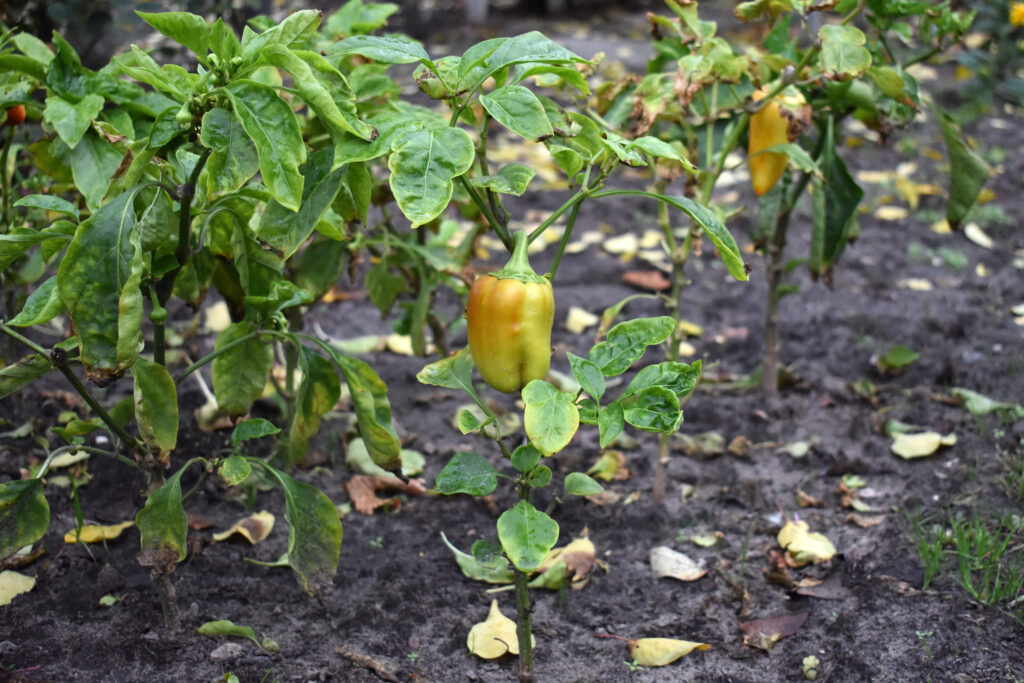
The first mistake is buying Mediterranean-style plants just because they look beautiful in photos. Agave, lavender, rosemary, bougainvillea, and lamb’s ear can all bring that dry, sun-washed charm, but they do not behave the same in every yard. Some love heat, some hate wet roots, and some can suffer badly in freezing winters.
This is where many gardens start going downhill. A plant that thrives in a sunny California yard may struggle in a cold, damp, shaded space. Before planting, check your growing zone, sunlight, drainage, and winter conditions. A Mediterranean garden should look effortless, but it begins with smart matching, not impulse buying.
Treating Drought-Tolerant Plants Like They Need No Water
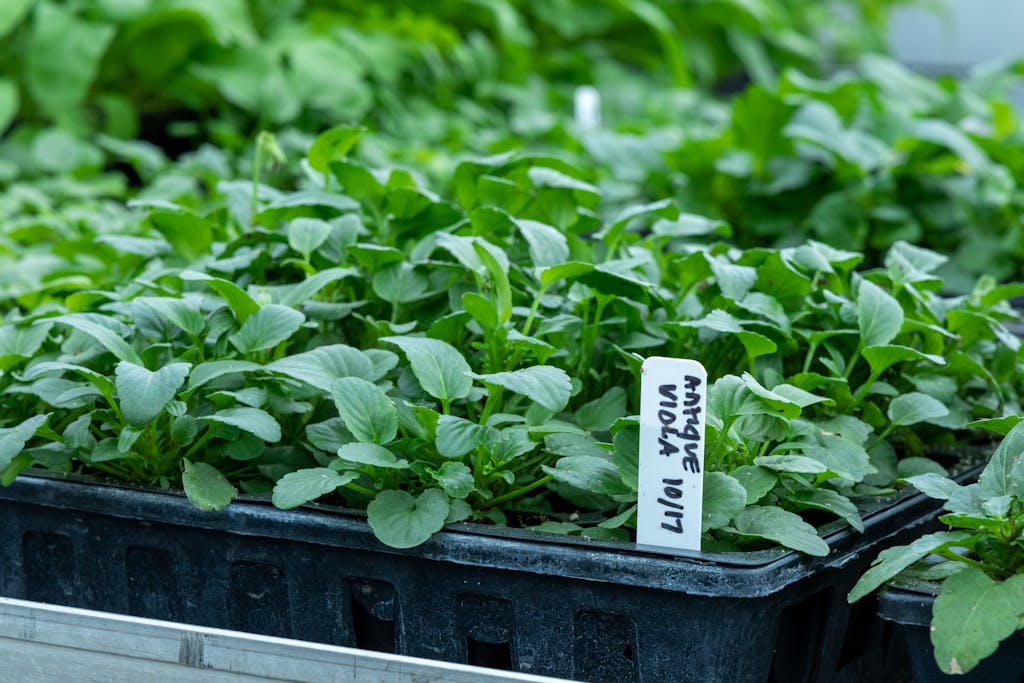
Drought-tolerant plants are not plastic decorations. They still need water, especially when they are newly planted and trying to grow strong roots. Many people hear the phrase “drought-tolerant” and assume they can plant lavender or rosemary, walk away, and let nature do the rest.
That shortcut often leads to weak growth, brown leaves, and plants that never settle in properly. The trick is to water deeply but less often once the plants are established. Shallow watering trains roots to stay near the surface, where heat dries them out faster. A better plan encourages deeper roots, which helps the garden survive dry spells with less drama.
Ignoring Drainage Until the Roots Start Rotting
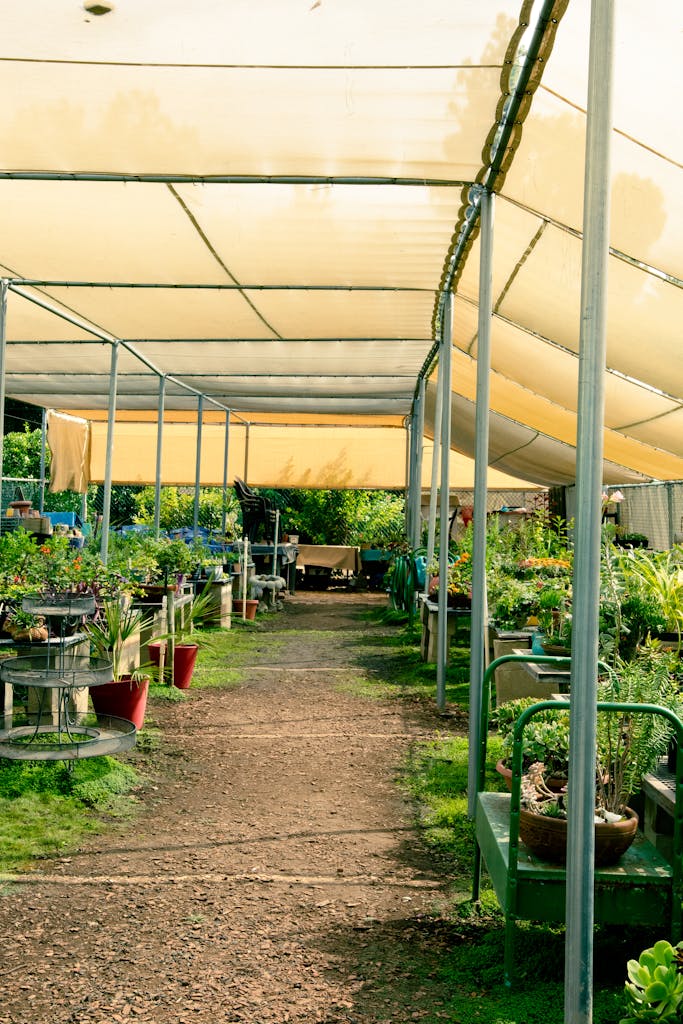
Mediterranean gardens usually thrive in full sun and well-drained soil. That means soggy ground can become a silent killer. Lavender, rosemary, agave, and many similar plants can suffer when water sits around their roots for too long. The top of the plant may look fine for a while, but underground, the damage may already be happening.
Heavy clay soil is one of the biggest traps. It holds moisture, gets compacted, and can leave drought-loving plants stressed even when the weather is dry. Adding gravel, compost, raised beds, or mounded planting areas can help water move away more easily. Without proper drainage, your drought-tolerant garden may die from too much water instead of too little.
Overcrowding the Garden for an Instant “Full” Look
A Mediterranean garden often looks lush in magazine photos, so it is tempting to pack plants tightly from the start. That may give you a quick visual impact, but it can create problems as the plants grow. Rosemary can become woody and wide, bougainvillea can race across walls and fences, and lamb’s ear can spread into soft silver mats.
Crowding blocks airflow, increases disease risk, and makes plants compete for water and nutrients. It also turns a calm, airy garden into a tangled patch that needs constant trimming. Give each plant room to breathe. The best Mediterranean gardens look layered, relaxed, and intentional, not stuffed like a crowded shelf at a garden center.
Forgetting That Hardscaping Carries the Whole Style

Plants are only one part of the Mediterranean look. Stone paths, gravel beds, terracotta pots, tiled patios, pergolas, benches, and shaded seating areas help create a warm, retreat-like feeling. Without those details, the garden can look like a random group of drought-tolerant plants rather than a complete outdoor space.
This mistake matters because hardscaping also enhances functionality. Gravel can reduce muddy patches, stone pathways guide movement, and patios create places to sit without stepping through delicate plantings. A few strong structure choices can make even a small yard feel intentional. Without them, your garden may save water, but still look unfinished.
Choosing High Drama Plants Without Managing Their Problems
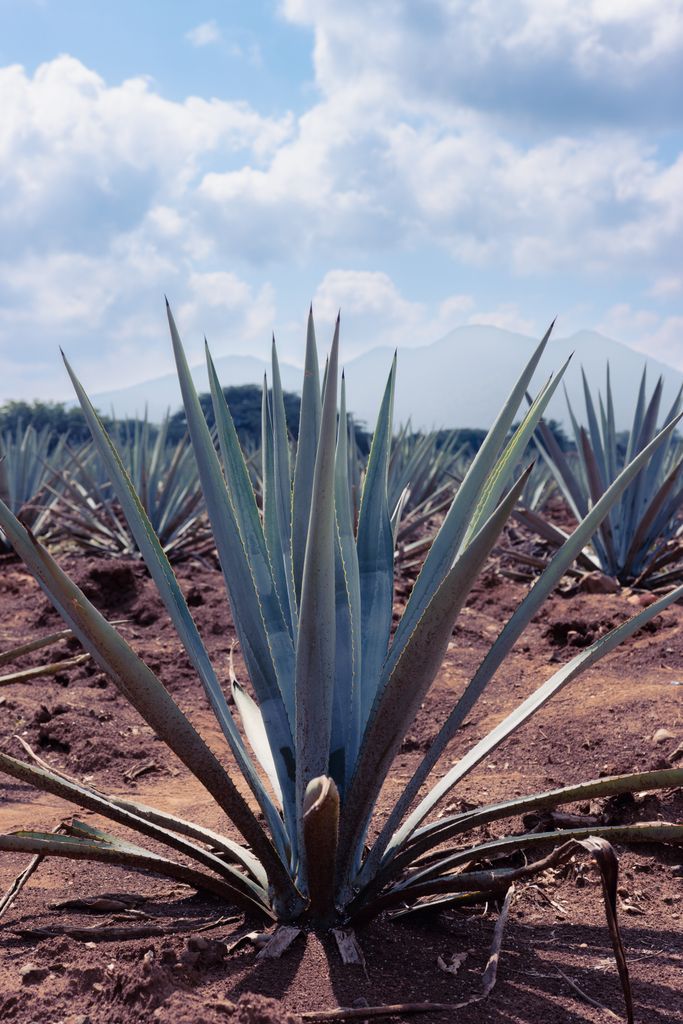
Some Mediterranean-style plants bring beauty with a catch. Agave has sharp leaves and can irritate skin, so it should be placed carefully away from walkways, children, and pets. Bougainvillea can look stunning when it blooms, but it can also grow aggressively and turn messy without pruning. Rosemary can become large and woody if ignored for too long.
The danger is falling for bold plants without thinking about long-term care. A dramatic garden can quickly become a maintenance headache when every vine, spike, and shrub starts taking over. Place sharp plants where people will not brush against them, train climbing plants early, and prune herbs before they become unruly. Beauty is easier to enjoy when it does not fight back.
Conclusion
A Mediterranean garden can be one of the smartest choices for a hot, dry yard, but only when it is carefully planned. The biggest mistake is assuming the style is effortless from day one. It still needs the right plants, the right soil, smart watering, enough space, and a strong design structure.
When done well, this kind of garden feels calm, practical, and quietly luxurious. It can lower watering stress, add year-round texture, and make your outdoor space feel like a relaxing escape. But when done carelessly, it becomes dry, patchy, overgrown, and expensive to fix. The secret is simple: build the garden for your real climate, not just the photo you saved for inspiration.