Walking into the grocery store with a budget and leaving with a cart full of extras can feel like a personal failure, but it usually is not. The bigger problem is that overspending at the store is often driven by psychology, mood, and subtle decision-making habits that kick in before you even realize what is happening.
That is what makes this habit so frustrating. You may start with a list and good intentions, then somehow end up paying for snacks, duplicate items, and “great deals” you never planned to buy. If your grocery bill keeps climbing for reasons you cannot fully explain, these are the hidden traps most likely working against you.
Shopping Hungry Makes Everything Look Necessary

An empty stomach can wreck even the best grocery plan. When you shop while hungry, your brain shifts toward immediate satisfaction, which makes more foods seem tempting, and more impulse buys feel justified in the moment. That is why a simple trip for ingredients can suddenly turn into a cart packed with snacks, desserts, and random extras you did not need.
This is one of the biggest reasons grocery spending can get out of control so quickly. Hunger weakens self-regulation, so it becomes much harder to stick to your list and ignore foods that look comforting or exciting right now. What feels like poor discipline is often just biology taking the wheel.
A Scarcity Mindset Pushes You to Stock Up Too Much
Many shoppers are still carrying a quiet “buy it now before it disappears” mindset. This can be linked to memories of empty shelves during the pandemic, past food insecurity, or even family habits passed down from generations that lived through economic hardship.
That mindset can make extra food feel like safety instead of overspending. Even when supply is stable, the brain may still treat abundance as protection and convince you that having more is always smarter than having enough. The result is an overflowing cart, a swollen bill, and often more waste at home.
Discounts Trick You Into Thinking You Are Saving Money

A sale does not always save you money. When you see a sale price next to a higher original price, your brain anchors to the larger number, so the discount feels like a win, even when the purchase was never part of the plan.
That is where grocery budgets quietly fall apart. You tell yourself you are being smart by grabbing two or three items instead of one, but if those items were not truly necessary, the “deal” still costs you more than you meant to spend. Savings only count when the item was already worth buying.
Caffeine Can Make Your Cart More Impulsive
This one surprises people, but it is backed by research. Drinking a caffeinated beverage before shopping increased both the number of items purchased and total spending, especially for more pleasure-driven products.
The reason is simple enough. Caffeine can increase arousal and reward-seeking, which makes spontaneous purchases feel more appealing and easier to justify. So that coffee run before grocery shopping may leave you feeling more alert, but it can also make you more likely to toss extras into your cart.
Stress Turns Grocery Shopping Into Emotional Spending
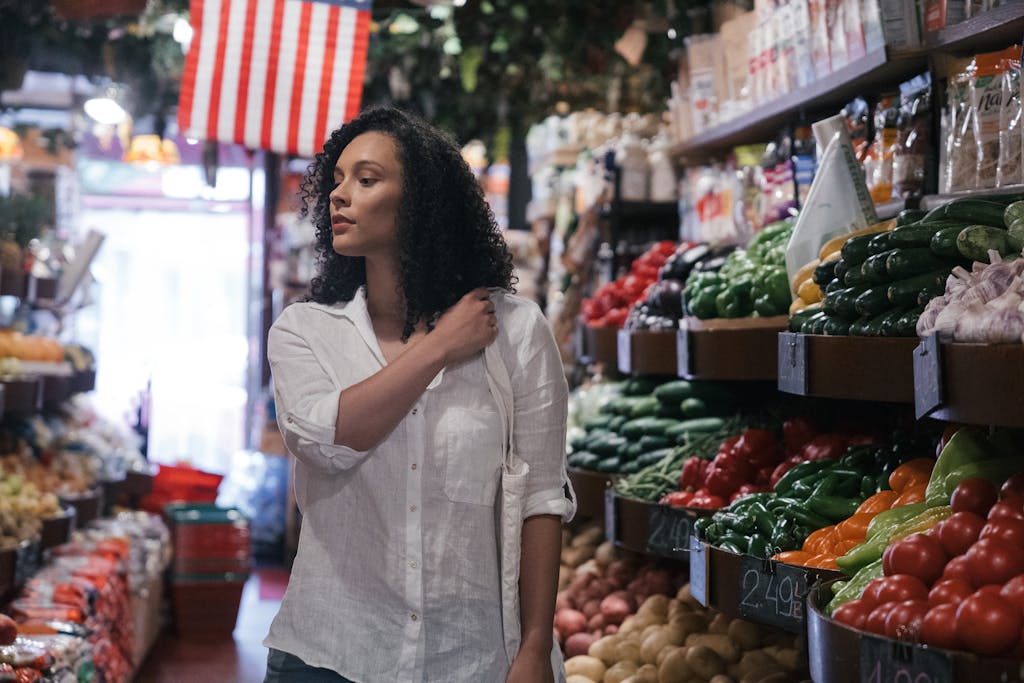
When you feel stressed, tired, anxious, or emotionally drained, the store can start to feel less like an errand and more like a quick way to a comfort zone. In those moments, people are more likely to grab novelty items, treats, and little luxuries because the brain responds to them as small emotional rewards.
That is why overspending at the grocery store often has very little to do with food itself. A fuller cart can create a temporary sense of control, predictability, and relief when the rest of life feels messy. The purchase feels helpful in the moment, even if it creates regret later at checkout.
The Dopamine Hit Makes Extra Items Feel Worth It
Buying food can create a small mental reward because you start imagining the pleasure of eating it later. That anticipation can override more practical thoughts like your budget, your meal plan, or the fact that some of those items may go unused.
This is where grocery overspending becomes sneaky. You are not just buying chips, pastries, or frozen treats; you are buying the feelings they evoke. Once the brain locks onto that reward, the future consequences seem less important than the immediate rush of “this would be nice to have.”
Skipping a Pantry Check Leads to Wasteful Duplicates

Sometimes the problem is much less dramatic. If you do not check your fridge and pantry before shopping, you can easily buy things you already have, which is how people end up with duplicate condiments, extra produce, or ingredients that sit untouched until they expire.
This habit wastes money in two ways. First, you spend money on items you didn’t need. Second, you crowd out the foods you actually should have bought, which can lead to more takeout, more waste, and another expensive grocery trip sooner than expected.
How to Stop Buying More Than You Planned
The good news is that fixing this habit does not require a dramatic lifestyle reset. Experts recommend a few simple habits that make a real difference, including eating before you shop, checking your kitchen first, making a list based on what you actually need, and pausing before adding unplanned items to your cart.
That pause matters more than it seems. Even a brief moment of stopping to ask, “Did I plan for this, and will I actually use it,” can interrupt impulse spending and shift you out of automatic mode. When you shop with a full stomach, a clear list, and a quick pantry check, you are much less likely to leave the store wondering where all your money went.
Conclusion
If you always seem to buy more than planned at the grocery store, the issue is probably not weak willpower. It is usually a mix of hunger, stress, scarcity thinking, sales psychology, caffeine, and reward-driven decision-making that makes overspending feel normal in the moment.
The smartest way to fight back is to make grocery shopping less emotional and more deliberate. Eat first, look through your kitchen, trust your list, and slow yourself down before every extra item. Those small habits can protect your budget better than any promise to “do better next time.”