If your meals leave you crashing mid‑afternoon, constantly hungry, or low on energy, your pantry staples could be the problem. Many everyday foods are convenient but offer little in the way of meaningful nutrition, especially when it comes to protein and fiber. These two nutrients help keep you full, balanced, and energized throughout the day. Instead of refilling a pantry full of refined, sugary, and low‑protein items, try swapping them for alternatives that make every meal more satisfying and nutritionally valuable.
Here are seven simple pantry swaps that can boost the fiber and protein in your meals without sacrificing flavor and help you avoid relying on foods that leave you feeling unsatisfied and sluggish.
Swap Candy for Medjool Dates

Candy might be easy to grab, but it offers almost no nutrients and spikes blood sugar rapidly, leaving you feeling hungry again soon. Medjool dates are one of the best substitutes for something sweet that actually supports your body. These naturally caramel‑like fruits are packed with dietary fiber, which slows the absorption of carbohydrates and helps stabilize blood sugar levels. They also deliver potassium, magnesium, and trace minerals that candy never provides.
Use dates as a snack on their own, chop them into oatmeal or yogurt, or blend them into homemade energy bars or smoothies for a touch of natural sweetness and lasting satiety.
Swap Refined White Sugar for Raw Honey
Refined white sugar adds quick sweetness but offers zero fiber or protein and can contribute to energy crashes. Raw honey is a pantry staple that delivers sweetness with added nutritional benefits. While it’s still sugar, honey contains antioxidants and compounds that support immune function and have a lower glycemic response than white sugar. That means it doesn’t spike your blood sugar as sharply, giving you smoother energy.
Honey also tends to taste sweeter by weight, so you usually need less. Drizzle it over breakfast bowls, use it to sweeten tea or yogurt, or add it to salad dressings for a more nutrient‑dense option.
Swap White Pasta for Legume‑Based Pasta

Standard white pasta is mostly starch. It digests quickly and leaves you hungry soon after eating because it’s low in both fiber and protein. Legume‑based pastas made from lentils, chickpeas, or peas are an easy pantry upgrade that can change the nutrition profile of your meals. These alternatives offer significantly more plant-based protein and fiber, helping you feel full longer while supporting stable blood sugar.
They work just like regular pasta in soups, salads, and dinner plates, but fuel your body better and add valuable nutrients like iron, zinc, and B vitamins that refined flour lacks.
Swap Pretzels for Pistachios or Crunchier Nuts
Pretzels are often a go‑to snack for crunch, but they’re mostly refined carbohydrates with little fiber, almost no protein, and often high sodium. Pistachios and other nuts are easy pantry swaps that add protein, fiber, and healthy fats to your snacking. The fats help slow digestion, the protein keeps you full, and the fiber feeds your gut. Nuts also provide micronutrients like vitamin E, magnesium, and antioxidants.
Keep roasted or raw pistachios, almonds, or walnuts on hand to replace salty snacks in trail mixes, lunchboxes, or simply as an afternoon nibble.
Swap White Flour for Almond Flour
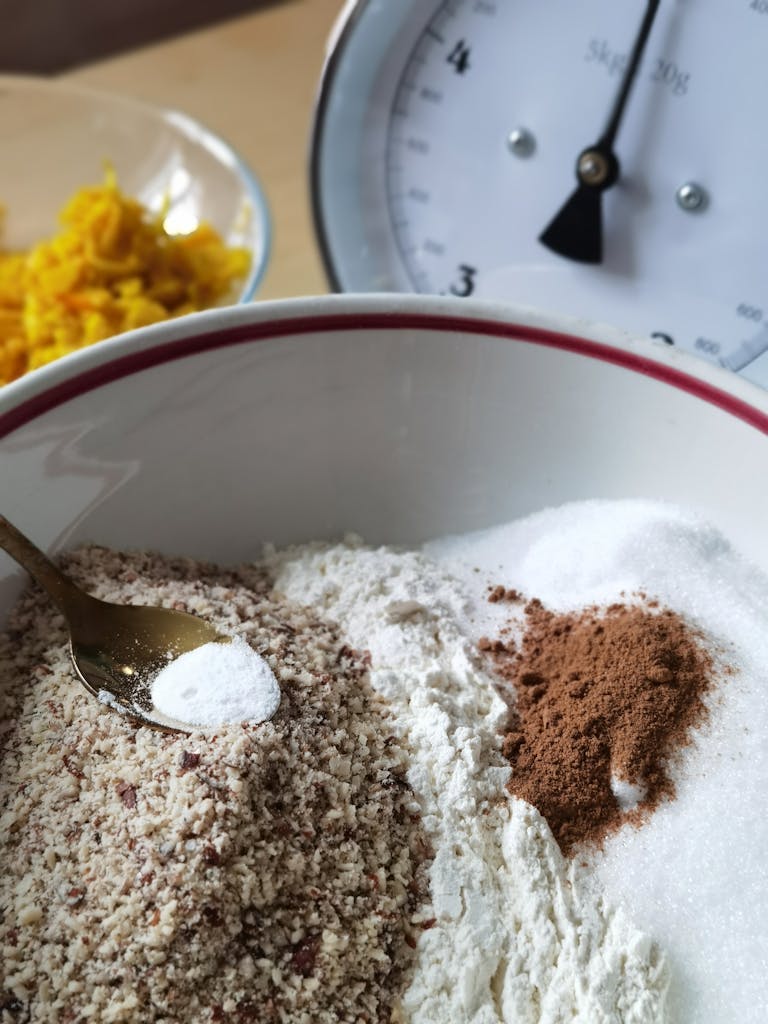
White all‑purpose flour offers few nutrients and little fiber. Baking with almond flour is a smarter swap: it can add healthy fats, protein, and fiber to muffins, quick breads, pancakes, and cookies. The result is a richer texture and a more nutritious bite, one that helps slow digestion and supports longer-lasting energy compared with refined flour versions.
Almond flour also has a slightly nutty flavor that works beautifully in both sweet and savory baking. Stock it in your pantry, so your next batch of baked goods boosts nutrients rather than strips them away.
Swap Breadcrumbs for Rolled Oats
Breadcrumbs are mostly refined carbs and often contain added salt or preservatives. Rolled oats are a pantry swap that transforms both savory and baked dishes with whole-grain fiber and a hint of texture. When finely pulsed in a blender or food processor, oats make excellent stand-ins for breadcrumbs in meatballs, veggie burgers, or as a crispy topping for casseroles.
Oats also support heart health and keep you full longer, especially when used in place of refined carbs. If a complete swap feels intimidating, start by blending oats with some traditional crumbs until you get used to the texture.
Swap White Rice for Farro
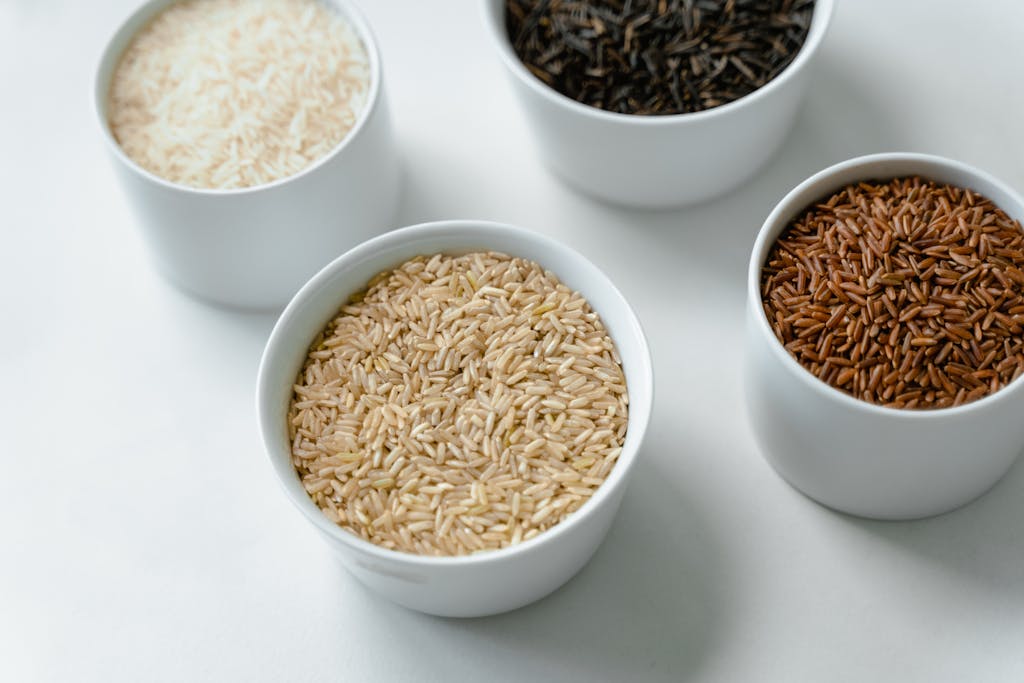
White rice is low in both fiber and protein because most of the grain’s nutrients are removed during processing. Farro, an ancient whole grain, offers a better nutritional profile while still being easy to cook and delicious. It delivers more fiber and plant-based protein than white rice, along with a chewy texture and a nutty flavor that enhance salads, grain bowls, soups, and sides.
Farro pairs well with vegetables, legumes, and lean proteins, making your meals more balanced and filling without major changes to your cooking habits.
Conclusion
Pantry swaps aren’t about rejecting the foods you love; they’re about replacing less nutritious options with similar ones that work harder for your health. By upgrading staple ingredients with alternatives that deliver more fiber and protein, you’ll find your meals keep you full longer, stabilize your energy, and support overall wellness without complicating your cooking.
Each of these swaps fits easily into everyday cooking and snacking, letting you make smarter choices one meal at a time. Pick one or two to start with, and you’ll notice the difference in how you feel after eating — more satisfied, more energized, and less tempted to reach for sugary or refined snacks before your next meal.